

Blog

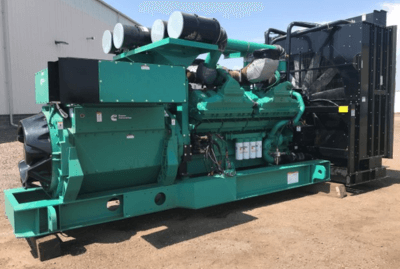
A Complete Buying Guide to Cummins Engine Parts for Industrial Use
Cummins engines power a huge range of industrial equipment, from generators and compressors to heavy trucks and construction machinery. Because these engines are built to run under constant load for years, keeping them properly maintained depends entirely on one thing: sourcing the right Cummins engine parts at the right time.
Yet buying spare parts is rarely as simple as it sounds. Many industrial buyers struggle with confusing part numbers, unreliable suppliers, and the constant pressure of avoiding downtime. This guide will walk you through everything you need to know before placing your next order, so you can make confident decisions and keep your equipment running without interruption.
Why Buying the Right Parts Matters So Much
Industrial engines are not like the engine in a passenger car. They often run continuously for hours or days at a time, under heavy loads, in demanding environments like construction sites, oil fields, and power plants. A single failed component can bring an entire operation to a stop.
This is why sourcing genuine or properly certified Cummins engine parts is not just about performance. It is about protecting your business from the ripple effect of unplanned downtime, missed deadlines, and costly emergency repairs.
Common Problems Buyers Face
Before diving into what to look for in a supplier, it helps to understand the challenges that most industrial buyers run into again and again.
Confusing part numbers. Cummins produces a huge number of engine variations across different series, and identifying the exact part number for your specific model can be difficult without proper technical support.
Counterfeit and substandard parts. The market includes low quality imitation components that look similar to genuine parts but fail much sooner. These often end up costing more in the long run due to repeat failures and secondary damage to other components.
Delayed shipping. Industrial operations cannot afford to wait weeks for a part to arrive. A supplier without a strong logistics network can turn a simple repair into an extended shutdown.
Limited stock for older engines. As engines age, some parts become harder to find. Buyers are often left searching multiple vendors just to complete one repair.
Lack of technical guidance. Not every buyer is a certified mechanic. Without proper support, it is easy to order the wrong part or miss a compatibility issue that only shows up after installation.
A trusted supplier of Cummins engine parts should solve every one of these problems directly, not just sell you a product and move on.
Key Categories of Cummins Engine Parts
Understanding the main categories of parts will help you communicate clearly with your supplier and avoid ordering mistakes.
Electrical Components
This includes the ECU, wiring harnesses, sensors, and diode sets that manage engine performance and communication. These parts are especially sensitive to compatibility issues, so it is important to confirm the exact engine model and series before ordering.
Fuel System Parts
Injectors, fuel pumps, and related fuel system components directly affect engine efficiency and power output. A failing fuel system part can lead to poor performance long before a complete breakdown, so catching early warning signs matters.
Filtration Parts
Oil filters and air filters may seem like small components, but they play a major role in protecting the engine from contamination. Using low quality filters is one of the most common ways operators unintentionally shorten engine life.
Core Engine Components
Pistons, cylinder blocks, cylinder heads, and crankshafts form the heart of the engine. These are high value components where genuine parts or certified remanufactured options are almost always worth the investment, since failure here leads to the most expensive repairs.
Turbochargers and Cooling Components
Turbochargers, radiators, and cooling system parts help manage heat and pressure within the engine. Since these parts operate under extreme stress, quality and proper fit are critical to avoid premature failure.
Mechanical Components
Belts, pulleys, rollers, and engine mounts support the physical structure and movement within the engine system. While these are often lower cost items, choosing poor quality versions can lead to vibration issues and secondary wear on more expensive parts.
How to Choose the Right Supplier
Once you understand the part categories, the next step is choosing a supplier who can meet your needs consistently. Here is what to look for.
A wide and organized catalog. A good supplier should carry parts across the full range of Cummins engine series, with clear part numbers and descriptions that make ordering straightforward.
Genuine and certified aftermarket options. Flexibility matters. A supplier who offers both genuine parts and quality certified aftermarket alternatives allows you to choose based on your budget and the criticality of the repair.
Proven logistics. Ask about shipping methods and delivery timelines. A supplier experienced in air, road, and sea freight across multiple regions is far more likely to get your part to you quickly, even during urgent situations.
Technical support. The best suppliers help you confirm the correct part number, explain compatibility across engine models, and offer guidance on installation. This kind of support prevents costly mistakes before they happen.
Transparent pricing. Clear, itemized quotes without hidden fees build trust and make budgeting easier for ongoing maintenance planning.
Secure handling and packaging. Precision components like injectors and sensors can be damaged easily during shipping if not packaged properly. A supplier with proper storage and handling procedures protects your investment before it even reaches you.
Tips for a Smooth Buying Process
Following a few simple practices can make sourcing Cummins engine parts much easier over time.
Keep detailed engine records. Knowing your exact engine model, series, and serial number speeds up every future order and avoids compatibility mistakes.
Plan ahead instead of waiting for failure. Keeping a small inventory of frequently replaced parts, such as filters and belts, reduces the risk of unexpected downtime.
Work with one trusted supplier when possible. Splitting orders across many vendors to save small amounts often creates more administrative work and inconsistent quality. A single reliable partner simplifies tracking and communication.
Ask questions before you order. A good supplier will welcome questions about compatibility, expected lifespan, and shipping timelines. If a seller avoids answering clearly, consider it a warning sign.
Verify before you commit. For any new supplier, start with a smaller order to confirm quality and service before relying on them for larger or more critical purchases.
Final Thoughts
Buying Cummins engine parts does not need to be a stressful or confusing process. By understanding the main part categories, recognizing the common problems buyers face, and knowing exactly what to look for in a supplier, you can protect your equipment, control your maintenance budget, and avoid the downtime that comes from guessing or rushing a decision.
The right supplier does more than sell parts. They act as a partner who understands your engine, respects your timeline, and stands behind the quality of everything they deliver. Whether you need a small filtration component or a major core engine part, working with an experienced supplier who offers genuine and certified aftermarket options, fast global delivery, and real technical support will keep your operations running smoothly for years to come.
A Complete Buying Guide to Cummins Engine Parts for Industrial Use
Cummins engines power a huge range of industrial equipment, from generators and compressors to heavy trucks and construction machinery. Because these engines are built to run under constant load for years, keeping them properly maintained depends entirely on one thing: sourcing the right Cummins engine parts at the right time.
Yet buying spare parts is rarely as simple as it sounds. Many industrial buyers struggle with confusing part numbers, unreliable suppliers, and the constant pressure of avoiding downtime. This guide will walk you through everything you need to know before placing your next order, so you can make confident decisions and keep your equipment running without interruption.
Why Buying the Right Parts Matters So Much
Industrial engines are not like the engine in a passenger car. They often run continuously for hours or days at a time, under heavy loads, in demanding environments like construction sites, oil fields, and power plants. A single failed component can bring an entire operation to a stop.
This is why sourcing genuine or properly certified Cummins engine parts is not just about performance. It is about protecting your business from the ripple effect of unplanned downtime, missed deadlines, and costly emergency repairs.
Common Problems Buyers Face
Before diving into what to look for in a supplier, it helps to understand the challenges that most industrial buyers run into again and again.
Confusing part numbers. Cummins produces a huge number of engine variations across different series, and identifying the exact part number for your specific model can be difficult without proper technical support.
Counterfeit and substandard parts. The market includes low quality imitation components that look similar to genuine parts but fail much sooner. These often end up costing more in the long run due to repeat failures and secondary damage to other components.
Delayed shipping. Industrial operations cannot afford to wait weeks for a part to arrive. A supplier without a strong logistics network can turn a simple repair into an extended shutdown.
Limited stock for older engines. As engines age, some parts become harder to find. Buyers are often left searching multiple vendors just to complete one repair.
Lack of technical guidance. Not every buyer is a certified mechanic. Without proper support, it is easy to order the wrong part or miss a compatibility issue that only shows up after installation.
A trusted supplier of Cummins engine parts should solve every one of these problems directly, not just sell you a product and move on.
Key Categories of Cummins Engine Parts
Understanding the main categories of parts will help you communicate clearly with your supplier and avoid ordering mistakes.
Electrical Components
This includes the ECU, wiring harnesses, sensors, and diode sets that manage engine performance and communication. These parts are especially sensitive to compatibility issues, so it is important to confirm the exact engine model and series before ordering.
Fuel System Parts
Injectors, fuel pumps, and related fuel system components directly affect engine efficiency and power output. A failing fuel system part can lead to poor performance long before a complete breakdown, so catching early warning signs matters.
Filtration Parts
Oil filters and air filters may seem like small components, but they play a major role in protecting the engine from contamination. Using low quality filters is one of the most common ways operators unintentionally shorten engine life.
Core Engine Components
Pistons, cylinder blocks, cylinder heads, and crankshafts form the heart of the engine. These are high value components where genuine parts or certified remanufactured options are almost always worth the investment, since failure here leads to the most expensive repairs.
Turbochargers and Cooling Components
Turbochargers, radiators, and cooling system parts help manage heat and pressure within the engine. Since these parts operate under extreme stress, quality and proper fit are critical to avoid premature failure.
Mechanical Components
Belts, pulleys, rollers, and engine mounts support the physical structure and movement within the engine system. While these are often lower cost items, choosing poor quality versions can lead to vibration issues and secondary wear on more expensive parts.
How to Choose the Right Supplier
Once you understand the part categories, the next step is choosing a supplier who can meet your needs consistently. Here is what to look for.
A wide and organized catalog. A good supplier should carry parts across the full range of Cummins engine series, with clear part numbers and descriptions that make ordering straightforward.
Genuine and certified aftermarket options. Flexibility matters. A supplier who offers both genuine parts and quality certified aftermarket alternatives allows you to choose based on your budget and the criticality of the repair.
Proven logistics. Ask about shipping methods and delivery timelines. A supplier experienced in air, road, and sea freight across multiple regions is far more likely to get your part to you quickly, even during urgent situations.
Technical support. The best suppliers help you confirm the correct part number, explain compatibility across engine models, and offer guidance on installation. This kind of support prevents costly mistakes before they happen.
Transparent pricing. Clear, itemized quotes without hidden fees build trust and make budgeting easier for ongoing maintenance planning.
Secure handling and packaging. Precision components like injectors and sensors can be damaged easily during shipping if not packaged properly. A supplier with proper storage and handling procedures protects your investment before it even reaches you.
Tips for a Smooth Buying Process
Following a few simple practices can make sourcing Cummins engine parts much easier over time.
Keep detailed engine records. Knowing your exact engine model, series, and serial number speeds up every future order and avoids compatibility mistakes.
Plan ahead instead of waiting for failure. Keeping a small inventory of frequently replaced parts, such as filters and belts, reduces the risk of unexpected downtime.
Work with one trusted supplier when possible. Splitting orders across many vendors to save small amounts often creates more administrative work and inconsistent quality. A single reliable partner simplifies tracking and communication.
Ask questions before you order. A good supplier will welcome questions about compatibility, expected lifespan, and shipping timelines. If a seller avoids answering clearly, consider it a warning sign.
Verify before you commit. For any new supplier, start with a smaller order to confirm quality and service before relying on them for larger or more critical purchases.
Final Thoughts
Buying Cummins engine parts does not need to be a stressful or confusing process. By understanding the main part categories, recognizing the common problems buyers face, and knowing exactly what to look for in a supplier, you can protect your equipment, control your maintenance budget, and avoid the downtime that comes from guessing or rushing a decision.
The right supplier does more than sell parts. They act as a partner who understands your engine, respects your timeline, and stands behind the quality of everything they deliver. Whether you need a small filtration component or a major core engine part, working with an experienced supplier who offers genuine and certified aftermarket options, fast global delivery, and real technical support will keep your operations running smoothly for years to come.


