

Blog
Heavy Equipment Engine Overheating: Common Causes, Warning Signs, and Solutions

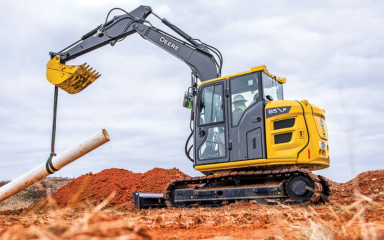
Heavy equipment engines are designed to operate under demanding conditions, but even powerful diesel engines can overheat when something goes wrong. Excavators, bulldozers, wheel loaders, cranes, tractors, and other heavy machines generate significant heat during operation. A properly maintained cooling system is essential for keeping engine temperature under control.
Engine overheating is more than a minor inconvenience. Continued operation at excessive temperatures can damage engine components, reduce performance, increase fuel consumption, and lead to costly repairs. In severe cases, overheating can cause head-gasket failure, cylinder-head damage, warped components, or complete engine failure.
The good news is that overheating often provides warning signs before major damage occurs. Understanding the common causes and responding quickly can help equipment owners prevent expensive downtime.
What Causes Heavy Equipment Engines to Overheat?
An engine produces heat whenever it operates. The cooling system is responsible for removing that heat and maintaining an appropriate operating temperature. Problems with the radiator, coolant, fan, water pump, thermostat, belts, hoses, or airflow can interfere with this process.
Here are some of the most common causes.
1. Low Coolant Level
Low coolant is one of the simplest causes of engine overheating. If the cooling system does not contain enough coolant, it cannot effectively transfer heat away from the engine.
Coolant levels can drop because of leaks, damaged hoses, faulty seals, radiator problems, or insufficient maintenance.
Solution: Check coolant levels according to the manufacturer’s recommended procedure. If the level is low, identify and repair the source of coolant loss rather than repeatedly topping up the system.
Never remove a radiator cap from a hot engine because pressurized coolant can cause serious burns.
2. Dirty or Blocked Radiator
Heavy equipment often works in dusty, muddy, and debris-filled environments. Dirt, dust, grass, leaves, and other materials can accumulate around the radiator and restrict airflow.
When air cannot pass effectively through the cooling fins, the radiator’s ability to remove engine heat decreases.
Solution: Inspect the radiator and cooling package regularly. Clean accumulated debris using the manufacturer’s recommended cleaning method and avoid damaging delicate cooling fins.
Equipment working in particularly dusty environments may require more frequent cleaning than machines operating in cleaner conditions.
3. Faulty Cooling Fan
The cooling fan helps move air through the radiator. If the fan is damaged, operating at the wrong speed, or experiencing a drive-system problem, insufficient airflow can cause the engine temperature to rise.
A damaged fan blade can also create vibration and potentially damage surrounding components.
Solution: Inspect the fan, fan drive, belt system, and related components. If the fan is not operating correctly, have the problem diagnosed and repaired before continuing heavy operation.
4. Damaged or Loose Belts
Belts can drive important cooling-system components, depending on the equipment design. A worn, cracked, loose, or broken belt can prevent components such as the water pump or fan from operating correctly.
A belt problem may also produce squealing or unusual noises before complete failure.
Solution: Inspect belts during routine maintenance. Look for cracks, fraying, glazing, looseness, or other signs of wear. Replace damaged belts according to the manufacturer’s specifications.
5. Faulty Water Pump
The water pump circulates coolant through the engine and cooling system. If the pump becomes worn or damaged, coolant circulation may be reduced.
A failing water pump can contribute to overheating, coolant leakage, unusual noises, or poor cooling performance.
Solution: If coolant level and airflow appear normal but the engine continues overheating, have the cooling system inspected, including water-pump performance.
6. Thermostat Problems
The thermostat helps regulate coolant circulation as the engine reaches operating temperature. If it becomes stuck or otherwise fails, coolant may not circulate as intended.
A malfunctioning thermostat can contribute to overheating or abnormal temperature behavior.
Solution: Have the thermostat checked when overheating occurs without an obvious external cause. Replace it with the correct component if testing confirms failure.
7. Excessive Engine Load
Heavy equipment frequently operates under high loads. However, using a machine beyond its intended capacity or continuously working under extreme conditions can generate more heat than the cooling system can effectively remove.
Poor operator practices, overloaded attachments, blocked cooling airflow, or unsuitable applications can contribute to excessive temperatures.
Solution: Operate equipment within the manufacturer’s recommended limits. If overheating occurs primarily during heavy workloads, investigate both operating conditions and cooling-system performance.
Warning Signs of Engine Overheating
Recognizing warning signs early can prevent severe engine damage.
Rising Temperature Gauge
A temperature gauge moving above its normal operating range is one of the clearest warnings. Operators should understand what normal temperature looks like for each machine.
Temperature Warning Light or Alarm
Modern heavy equipment may use warning lights, alarms, or electronic messages to alert operators when engine temperature becomes excessive.
Never ignore these warnings.
Steam or Coolant Vapor
Steam or visible vapor from the engine compartment may indicate a serious cooling-system problem. Stop the machine safely and allow it to cool before inspection.
Unusual Engine Smells
A strong coolant smell can indicate a leak or cooling-system problem. Burning smells may also signal overheating or another mechanical issue.
Loss of Engine Performance
An overheating engine may lose power or respond differently under load. If performance changes at the same time as temperature rises, the machine should be inspected.
Coolant Leaks
Puddles or wet areas around the radiator, hoses, water pump, or engine may indicate coolant loss.
The Main Solution to Engine Overheating
The best solution to engine overheating is a combination of preventive cooling-system maintenance, regular inspections, correct operation, and fast response to warning signs.
When overheating occurs, don’t simply continue operating until the machine “cools down.” Repeated overheating can cause cumulative damage.
A practical troubleshooting process should include:
Check temperature → Stop safely → Allow the engine to cool → Check coolant level → Inspect for leaks → Check radiator airflow → Inspect fan and belts → Diagnose thermostat and water pump → Test the cooling system
If the basic checks don’t identify the problem, professional diagnostics may be necessary.
Preventive Maintenance for Heavy Equipment Cooling Systems
Preventing overheating starts with routine maintenance.
Inspect Coolant Regularly
Check coolant levels and condition according to the manufacturer’s maintenance schedule. Use the correct coolant type and mixture recommended for the engine.
Clean the Cooling Package
Radiators, charge-air coolers, and other heat exchangers can collect debris. Regular cleaning helps maintain airflow and cooling efficiency.
Inspect Hoses
Look for cracks, swelling, soft spots, abrasion, and leaks. Replace damaged hoses before they fail.
Maintain the Fan System
Inspect fan blades, drives, belts, and related components. Ensure the cooling fan operates as intended.
Follow Service Intervals
Replace coolant and other cooling-system components according to the manufacturer’s recommendations.
Monitor Temperature Trends
Don’t focus only on whether the engine overheats. A gradual increase in normal operating temperature can be an early indication that something is deteriorating.
What Should You Do When an Engine Overheats?
If a heavy equipment engine begins overheating, the operator should respond immediately and follow the manufacturer’s operating and safety procedures.
Reduce the load and move the machine to a safe location when possible. Shut down according to the equipment manufacturer’s instructions and allow the engine to cool.
Do not open a pressurized cooling system while it is hot. Once the equipment is safely cooled, trained personnel can inspect the coolant level, visible leaks, radiator condition, belts, and other components.
If the cause is not obvious, professional diagnosis is safer than continuing to operate the machine.
Final Thoughts
Engine overheating is one of the most important warning signs heavy equipment operators and maintenance teams should never ignore. Low coolant, restricted radiators, faulty fans, damaged belts, water-pump problems, thermostat failures, and excessive workloads can all contribute to excessive engine temperatures.
The most effective solution is proactive rather than reactive. Maintain the cooling system, inspect equipment regularly, keep radiators clean, monitor coolant levels, and respond immediately when temperature warnings appear.
A few minutes spent investigating an overheating problem can prevent major engine damage, unexpected downtime, and expensive repairs. For heavy equipment owners, keeping the engine cool is not simply a maintenance task—it is an essential part of protecting machine performance, reliability, and operating life.


