

Blog
Diesel Engine Won’t Start? 10 Things to Check Before Replacing Parts

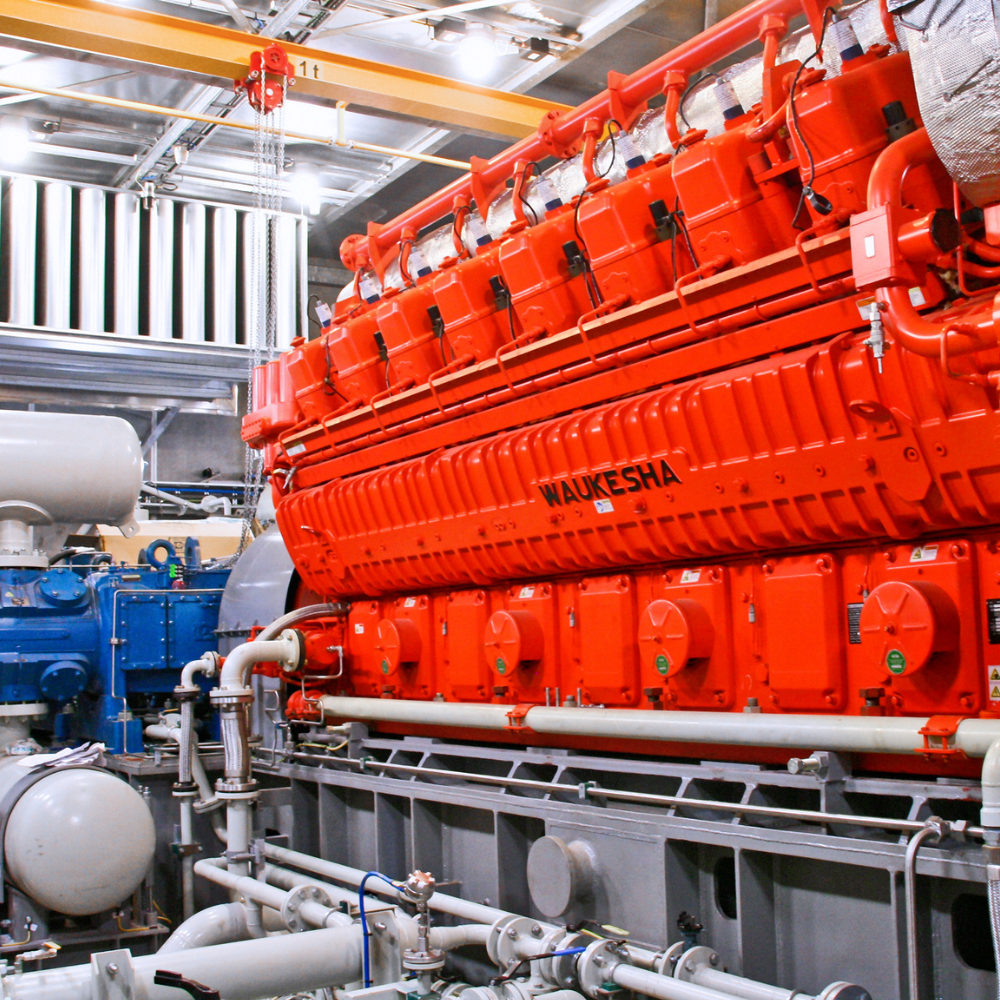
A diesel engine that refuses to start can bring heavy equipment operations to a sudden stop. Whether it is an excavator, wheel loader, bulldozer, tractor, generator, or other diesel-powered machine, a no-start problem does not always mean that an expensive component has failed.
In many cases, the cause is something relatively simple, such as a weak battery, an empty fuel system, a blocked filter, a faulty connection, or an incorrect starting procedure. Replacing parts without diagnosing the problem can waste money and may not fix the underlying issue.
For businesses dealing with engine starting problems, the best approach is to inspect the basic systems first and then move toward more advanced diagnostics.
Here are 10 things to check before replacing expensive diesel engine components.
1. Check the Battery
A diesel engine needs sufficient electrical power to crank the engine at the correct speed. If the battery is weak, discharged, damaged, or unable to deliver enough current, the starter may turn slowly or fail to operate.
Cold weather can make battery problems even more noticeable because low temperatures can reduce battery performance.
What to check: Inspect battery terminals and cables for corrosion, looseness, or damage. Check battery condition according to the manufacturer’s procedures and verify that the battery has adequate charge.
If the engine does not crank or cranks unusually slowly, the battery and starting circuit should be among the first areas investigated.
2. Inspect Battery Cables and Ground Connections
A battery can have sufficient charge and still fail to start an engine if electrical connections are poor.
Loose, corroded, damaged, or undersized cables can restrict current flow to the starter. A poor ground connection can create similar symptoms.
What to check: Inspect positive and negative cables, terminals, grounds, and connection points. Look for corrosion, damaged insulation, loose fasteners, or signs of overheating.
Cleaning or repairing a poor connection may solve the problem without replacing the battery or starter.
3. Listen to the Starter
Pay attention to what happens when the start control is activated.
A clicking sound may indicate insufficient electrical power or a problem in the starting circuit. A starter that turns the engine very slowly can point toward battery, cable, starter, or mechanical resistance issues.
If the starter operates normally but the engine does not fire, the problem may be related to fuel, air, or engine controls instead.
What to check: Determine whether the engine is cranking, cranking slowly, or not cranking at all. This simple distinction can narrow the diagnostic process considerably.
4. Check the Fuel Level
It sounds obvious, but fuel level should always be verified before replacing parts.
Fuel gauges can sometimes be inaccurate, and equipment may run out of fuel while working on uneven ground or under demanding conditions.
A diesel engine cannot start without an adequate fuel supply.
What to check: Verify the actual fuel level and make sure the fuel is appropriate for the machine. If the machine has recently run out of fuel, the fuel system may also require the manufacturer’s specified priming procedure.
5. Inspect the Fuel Filter
A blocked or heavily contaminated fuel filter can restrict diesel fuel from reaching the engine.
Symptoms may include difficult starting, loss of power, rough operation, or an engine that starts briefly and then stops.
Water or contaminants in diesel fuel can also damage fuel-system components and interfere with proper combustion.
What to check: Inspect and replace the fuel filter according to the manufacturer’s service requirements. If contamination is found, investigate the fuel source and tank rather than simply replacing the filter.
6. Check for Air in the Fuel System
Air entering a diesel fuel system can cause hard starting or a complete no-start condition.
This can happen after fuel-system maintenance, running out of fuel, changing filters incorrectly, or developing a leak in a fuel line or connection.
What to check: Inspect fuel lines and connections for signs of leakage or damage. Follow the manufacturer’s procedure for priming or bleeding the fuel system.
Do not improvise fuel-system procedures because modern diesel systems can operate at extremely high pressures.
7. Inspect the Air Intake
Diesel engines require a proper supply of clean air for combustion. A severely restricted air filter or blocked intake can affect engine operation and starting.
Dusty construction and mining environments can make air-filter maintenance especially important.
What to check: Inspect the air filter and intake system for excessive dirt, blockage, collapsed components, or other restrictions. Follow the manufacturer’s recommendations for cleaning or replacing filters.
Avoid operating heavy equipment with a severely restricted air intake.
8. Check Warning Lights and Diagnostic Codes
Modern diesel engines often have electronic control systems that monitor fuel injection, sensors, engine temperature, pressure, and other operating conditions.
If the engine refuses to start, check the instrument panel for warning lights, messages, or diagnostic codes.
What to check: Record any displayed fault codes before clearing them. Use equipment-specific diagnostic procedures to determine what the code indicates.
A fault code does not always mean that the component named by the code needs to be replaced. It may identify a circuit, sensor reading, or system condition that requires further diagnosis.
9. Check Engine and Safety Interlocks
Heavy equipment may include safety switches or interlock systems that prevent the engine from starting unless specific conditions are met.
Depending on the machine, starting may require the operator to be in a particular position or the transmission, hydraulic controls, parking brake, or other systems to be in a specified state.
What to check: Review the machine’s starting procedure and operator manual. Verify that all required controls and safety conditions are correctly positioned.
A faulty switch or interlock can prevent starting even when the engine itself is mechanically healthy.
10. Consider Engine Temperature and Glow/Intake Heating Systems
Cold temperatures can make diesel starting more difficult. Depending on the engine design, glow plugs, intake heaters, or other cold-start systems may assist ignition.
If a machine struggles to start primarily during cold weather, the starting-assistance system should be considered.
What to check: Follow the manufacturer’s cold-start procedure and inspect the relevant starting-assistance system if symptoms persist.
Do not repeatedly crank the engine for long periods because this can place unnecessary stress on the starter and battery.
The Main Solution to Engine Starting Problems
The best solution to engine starting problems is a structured diagnostic process instead of replacing parts based on guesswork.
Start with the simplest systems and move toward more complex components:
Battery → Cables → Starter → Fuel → Fuel filter → Fuel supply → Air intake → Electronic controls → Safety interlocks → Advanced engine diagnostics
This approach helps technicians identify the actual cause instead of replacing multiple components unnecessarily.
For example, replacing a starter will not solve a fuel-supply problem. Similarly, installing a new battery will not correct a blocked fuel filter or an electronic control fault.
What If the Engine Cranks but Won’t Start?
If the engine cranks at normal speed but does not start, focus more heavily on fuel delivery, air supply, engine control systems, and starting conditions.
Check whether fuel is reaching the engine according to the manufacturer’s diagnostic procedures. Inspect filters and fuel lines and look for air entering the system.
For electronically controlled diesel engines, diagnostic codes and sensor information may provide important clues.
What If the Engine Does Not Crank?
If there is no engine rotation when starting is attempted, focus first on the electrical and starting systems.
Check battery condition, cables, grounds, starter operation, fuses, relays, ignition/start controls, and safety interlocks.
A no-crank condition is fundamentally different from an engine that cranks but does not fire, so identifying this distinction early can save considerable diagnostic time.
Preventing Future Starting Problems
Preventive maintenance can reduce many diesel engine starting issues.
Keep batteries properly maintained, inspect electrical connections, replace fuel and air filters on schedule, use clean fuel, and address warning signs promptly.
Maintenance records can also help identify recurring problems. If an engine repeatedly becomes difficult to start after sitting for several days, for example, technicians can investigate fuel drain-back, electrical discharge, or other relevant causes instead of repeatedly replacing unrelated components.
Operators should also follow the manufacturer’s recommended starting procedure and avoid unnecessary extended cranking.
Final Thoughts
A diesel engine that won’t start does not automatically need a new starter, battery, injector, fuel pump, or other expensive component. Many engine starting problems can be traced to basic issues involving electrical power, fuel delivery, air supply, controls, or maintenance.
Before replacing parts, check the battery, cables, starter behavior, fuel level, filters, fuel-system air, air intake, diagnostic codes, safety interlocks, and cold-start systems.
The most effective solution is systematic diagnosis before parts replacement. Identify whether the engine is cranking normally, inspect the simplest potential causes first, and use manufacturer-approved diagnostic procedures for more complex problems.
By taking a methodical approach, equipment owners can reduce unnecessary parts purchases, shorten downtime, and return heavy equipment to reliable operation faster.


