

Blog
How Often Should You Replace Oil, Fuel, and Air Filters in Heavy Equipment?

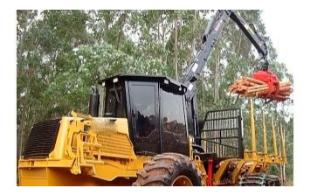
Heavy equipment works in some of the toughest environments imaginable. Excavators operate in dusty construction sites, wheel loaders move dirt and gravel, bulldozers push through harsh terrain, and agricultural machines work around soil and debris. Because these machines operate under demanding conditions, their filters play an essential role in protecting engines and other components.
Oil, fuel, and air filters remove contaminants that can cause premature wear, reduced performance, poor fuel efficiency, and expensive failures. But one important question remains: How often should these filters be replaced?
There is no single replacement interval that applies to every heavy machine. The correct schedule depends on the equipment manufacturer, machine model, operating hours, working environment, filter type, and severity of use.
For businesses struggling with filter replacement intervals, the best solution is to combine the manufacturer’s service recommendations with actual machine operating conditions and maintenance records.
Why Filter Replacement Matters
Filters are designed to capture contaminants before they can damage important components.
Oil filters remove particles and contaminants from engine oil.
Fuel filters protect fuel-system components from dirt and water.
Air filters prevent dust and debris from entering the engine.
As filters collect contaminants, their ability to perform effectively can eventually decline. A filter that is excessively restricted may affect system performance, while a filter that is not changed when required can allow contaminants to cause component wear.
Replacing filters at the appropriate time is therefore an important part of preventive maintenance.
1. How Often Should You Replace Oil Filters?
Oil-filter replacement is normally tied to engine oil-service intervals. However, the exact interval varies by machine and manufacturer.
Many heavy equipment manufacturers specify oil and filter replacement based on operating hours rather than calendar time. For example, a machine may have a scheduled engine-oil service at a particular number of operating hours.
The important point is not to copy an interval from another machine. Different engines and applications have different requirements.
Best practice: Check the machine’s operator and maintenance manual for the exact oil and filter service interval.
Oil filters may need more frequent attention when equipment operates under severe conditions, experiences excessive contamination, or has other maintenance concerns.
Signs an Oil Filter May Need Attention
Although scheduled maintenance should remain the primary guide, operators and technicians should pay attention to:
- Oil-pressure warnings
- Unusual engine noise
- Excessive oil contamination
- Unexpected engine performance changes
- Evidence of filter or housing damage
These symptoms require diagnosis rather than simply replacing the filter.
2. How Often Should You Replace Fuel Filters?
Fuel filters are essential for protecting diesel fuel systems from dirt, water, and other contaminants.
Modern diesel engines can use highly precise fuel-injection components, making fuel cleanliness particularly important.
The correct fuel-filter replacement interval depends on the equipment manufacturer’s specifications and the quality of the fuel being used.
Machines operating with contaminated fuel or in harsh conditions may experience filter restriction sooner than expected.
Best practice: Follow the manufacturer’s scheduled replacement interval and monitor any fuel-filter restriction or water-separation indicators provided by the equipment.
Why Fuel Quality Matters
Even a high-quality filter cannot compensate indefinitely for severely contaminated fuel.
If fuel contamination repeatedly blocks filters, the problem may originate in the storage tank, fuel-delivery system, or handling practices.
In that situation, repeatedly changing the filter treats the symptom without solving the underlying problem.
3. How Often Should You Replace Air Filters?
Air-filter intervals can vary significantly because operating environments differ.
A heavy equipment machine working in a clean environment may accumulate dust more slowly than a loader operating continuously in a quarry or an excavator working in dry, dusty soil.
Air filters should therefore be monitored according to manufacturer recommendations and actual operating conditions.
Some machines have restriction indicators that help technicians determine when an air filter is becoming excessively restricted.
Best practice: Inspect air-filter condition regularly and replace it according to the manufacturer’s requirements. Do not wait for severe engine performance problems before checking the filter.
Signs of Air-Filter Restriction
Possible warning signs include:
- Reduced engine power
- Sluggish acceleration
- Increased fuel consumption
- Black exhaust smoke
- Air-restriction warnings
- Poor performance under load
These symptoms can have multiple causes, so they should be diagnosed rather than automatically blamed on the air filter.
4. Operating Conditions Change Filter Intervals
One of the biggest mistakes businesses make is treating filter replacement intervals as fixed numbers regardless of working conditions.
A machine working eight hours a day in a dusty quarry may require more frequent inspections than the same model working in a relatively clean indoor environment.
Severe operating conditions can include:
- High dust levels
- Construction debris
- Extreme temperatures
- Mud and moisture
- Long operating hours
- Heavy loads
- Poor-quality fuel
- Frequent stop-and-start operation
Solution: Use the manufacturer’s service schedule as the foundation, then increase inspection frequency when operating conditions justify it.
5. Operating Hours Matter More Than Calendar Age
Heavy equipment maintenance is often measured in operating hours because a machine can accumulate significant use even if it has been owned for only a short period.
Two machines purchased on the same date may have very different maintenance needs if one operates 2,000 hours per year while the other operates only a few hundred hours.
Maintenance records should therefore track engine hours and service dates.
6. Don’t Replace Filters Too Early Without a Reason
Replacing filters too late can be harmful, but replacing them unnecessarily early can also increase maintenance costs.
Businesses should aim for a balanced approach.
Replacing a filter far before its required service interval may waste money and resources, while extending the interval too far can increase the risk of restriction or contamination.
The goal is condition-aware preventive maintenance.
7. Use the Correct Filter
Replacement timing is only one part of filter maintenance. The filter itself must also be correct for the machine.
Using an incorrect filter can cause fitment problems, inadequate filtration, leakage, or other performance issues.
Before ordering, verify:
- Equipment manufacturer
- Machine model
- Serial number
- Original filter part number
- Filter specifications
- Supplier information
Avoid choosing a filter solely because it looks similar to the original.
The Main Solution to Filter Replacement Intervals
The best solution to filter replacement intervals is to create a structured maintenance schedule based on manufacturer recommendations + operating hours + machine conditions + filter condition.
A practical process is:
1. Check the manufacturer’s manual.
Identify the recommended service interval for oil, fuel, and air filters.
2. Record operating hours.
Use the machine’s hour meter to track usage accurately.
3. Monitor working conditions.
Increase inspection frequency when equipment operates in dusty, dirty, or severe environments.
4. Inspect filters and related systems.
Look for restriction, contamination, damage, or unusual performance.
5. Record every replacement.
Document the date, operating hours, filter part number, and machine.
6. Investigate abnormal filter loading.
If filters become clogged much earlier than expected, determine why.
This approach creates a maintenance system that is predictable without being unnecessarily expensive.
Create a Filter Maintenance Log
A simple maintenance log can make filter replacement much easier.
For each machine, record:
- Machine model
- Serial number
- Current operating hours
- Oil-filter replacement date
- Fuel-filter replacement date
- Air-filter replacement date
- Filter part numbers
- Next scheduled service
- Notes about operating conditions
Digital maintenance software can also provide reminders when service intervals approach.
This reduces the risk of missed maintenance and makes it easier to manage multiple machines.
What Happens If Filters Are Not Replaced?
Neglecting filters can lead to serious problems.
A restricted air filter may reduce engine performance. A contaminated fuel filter can restrict fuel delivery and potentially affect sensitive fuel-system components. A neglected oil filter can reduce the effectiveness of the lubrication system and contribute to engine wear.
The cost of replacing a filter is generally much lower than repairing an engine or fuel system damaged by poor maintenance.
Final Thoughts
There is no universal answer to how often oil, fuel, and air filters should be replaced in heavy equipment. The correct filter replacement intervals depend on the manufacturer’s specifications, operating hours, machine type, filter design, and working environment.
The safest approach is to use the manufacturer’s maintenance schedule as the starting point and then monitor actual machine conditions. Dusty environments, contaminated fuel, heavy workloads, and extended operating hours may require more frequent inspections.
For businesses struggling with filter replacement intervals, the solution is a documented preventive-maintenance system. Track operating hours, follow manufacturer recommendations, inspect filters regularly, use the correct replacement parts, and investigate filters that become contaminated unusually quickly.
Proper filter maintenance may seem like a small part of equipment care, but it can have a major effect on engine reliability, fuel efficiency, component life, and overall operating costs. A consistent replacement strategy helps keep heavy equipment productive while reducing the risk of unexpected breakdowns and expensive repairs.


