

Blog
How Dirty Air Filters Reduce Heavy Equipment Engine Performance and Fuel Efficiency

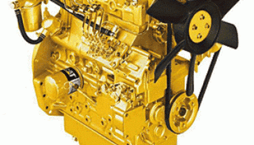
Heavy equipment engines need three essential things to operate efficiently: fuel, air, and proper combustion. While fuel often receives most of the attention during maintenance, the engine’s air intake system is equally important. A clean air filter allows the engine to receive the air it needs for combustion, while a dirty or restricted filter can reduce performance and increase operating costs.
Excavators, wheel loaders, bulldozers, tractors, cranes, and other heavy equipment often work in dusty and demanding environments. Because of this, their air filters can become contaminated much faster than filters on ordinary vehicles.
When a filter becomes severely restricted, the engine may struggle to breathe. The result can be poor engine performance, reduced fuel efficiency, increased emissions, excessive smoke, and unnecessary engine wear.
Understanding how dirty air filters affect an engine—and knowing when to inspect or replace them—can help equipment owners prevent expensive problems.
What Does a Heavy Equipment Air Filter Do?
An engine air filter prevents dust, dirt, sand, and other airborne contaminants from entering the engine.
Heavy equipment frequently operates around construction dust, soil, gravel, agricultural debris, and other contaminants. Without effective filtration, these particles could enter the engine and cause accelerated wear to internal components.
The air filter therefore performs two important jobs: it protects the engine and allows sufficient clean air to reach the combustion system.
A clean filter provides relatively unrestricted airflow. As dirt accumulates, however, the filter’s resistance to airflow increases. Eventually, the engine may not receive enough air to operate efficiently.
1. Reduced Engine Power
One of the first noticeable effects of a severely dirty air filter is reduced engine performance.
Diesel engines require an appropriate amount of air for efficient combustion. When airflow becomes restricted, the engine may struggle to produce its expected power.
Operators may notice that an excavator takes longer to perform demanding work, a wheel loader struggles under load, or a machine responds more slowly during acceleration.
Solution: Inspect the air filter whenever poor engine performance appears, especially if the equipment operates in dusty conditions. Replace the filter according to the manufacturer’s specifications when it reaches the appropriate service condition.
2. Increased Fuel Consumption
A restricted air intake can also affect fuel efficiency.
When an engine cannot receive adequate air, combustion may become less efficient. The machine may require more fuel to perform the same work, increasing operating costs.
Fuel consumption can also rise because operators may compensate for weak performance by working the engine harder or operating equipment for longer periods.
Solution: Monitor fuel consumption over time. If fuel usage increases without a corresponding change in workload or operating conditions, inspect the air intake system along with other possible causes.
A dirty air filter is not the only reason for increased fuel consumption, but it is a relatively simple issue to check.
3. Black Exhaust Smoke
Black smoke from a diesel engine can indicate incomplete combustion or an imbalance between fuel and available air.
A heavily restricted air filter can contribute to this condition because insufficient air reaches the combustion process.
However, black smoke can have several other causes, including fuel-system problems, turbocharger issues, injector problems, or other engine faults.
Solution: If black smoke appears, inspect the air filter and intake system first, but don’t automatically assume the filter is the only cause. Persistent smoke should be professionally diagnosed.
4. Poor Acceleration and Slow Response
Heavy equipment should respond predictably when the operator increases engine demand. A restricted air filter can make the engine feel sluggish.
The machine may take longer to reach operating speed or struggle when climbing, lifting, digging, or pushing heavy loads.
This can reduce productivity because operators may need more time to complete the same task.
Solution: Compare current machine performance with its normal operating behavior. If performance has gradually declined, include the air filter and intake system in the inspection process.
5. Increased Engine Stress
A restricted air intake can force the engine to work harder to produce the required output.
Operating an engine under these conditions for extended periods may contribute to increased thermal and mechanical stress.
Other components can also be affected when the engine is consistently operated outside its normal performance range.
Solution: Don’t wait until performance becomes severely degraded. Include air-filter inspection in routine preventive maintenance, particularly for equipment operating in environments with high levels of airborne dust.
6. Reduced Turbocharger Performance
Many modern heavy equipment diesel engines use turbochargers to increase the amount of air available for combustion.
A restricted intake can affect the amount of air entering the engine and may influence turbocharger performance.
If the engine has a turbocharger-related problem, however, replacing the air filter alone may not solve the issue.
Solution: Check the complete intake system, including the air filter, intake piping, connections, and other components. If symptoms continue after replacing a restricted filter, professional diagnosis may be necessary.
7. Increased Emissions
Poor combustion efficiency can contribute to increased exhaust emissions. A properly maintained air intake system helps the engine receive the airflow required for efficient operation.
A dirty filter may therefore contribute to poor combustion when restriction becomes significant.
Solution: Follow the manufacturer’s maintenance schedule and inspect filtration components regularly. If emissions or smoke remain abnormal after routine maintenance, investigate the engine and fuel systems further.
Warning Signs of a Dirty Air Filter
Knowing the warning signs can help maintenance teams identify problems before they become serious.
Common symptoms include:
- Reduced engine power
- Sluggish acceleration
- Higher fuel consumption
- Black exhaust smoke
- Difficulty maintaining performance under load
- Unusual engine response
- Air-filter restriction warnings, where equipped
- Increased frequency of engine performance complaints
Some machines have restriction indicators or electronic monitoring systems that can provide a more reliable indication of filter condition.
Why Heavy Equipment Needs More Frequent Air-Filter Attention
The working environment makes a major difference.
A machine operating on a clean paved site may accumulate contaminants much more slowly than an excavator working in dry soil, a quarry loader operating around crushed rock, or agricultural equipment working in dusty fields.
Therefore, a fixed calendar-based replacement schedule may not always provide the complete picture.
Solution: Follow the manufacturer’s maintenance recommendations while considering actual operating conditions. Equipment exposed to extreme dust may require more frequent inspections.
Should You Clean or Replace a Dirty Air Filter?
This depends on the filter design and the manufacturer’s instructions.
Some air filters are intended to be replaced rather than cleaned. Improper cleaning can damage filter media or create gaps that allow contaminants into the engine.
For this reason, operators should not automatically use compressed air or other cleaning methods unless the manufacturer specifically permits them.
Solution: Follow the equipment manufacturer’s recommended inspection, cleaning, and replacement procedures. When in doubt, replacement with the correct filter is generally safer than using an improper cleaning technique.
The Main Solution to Poor Engine Performance
The best solution to poor engine performance is to treat the air filter as one part of a complete engine-performance diagnosis rather than assuming it is always the cause.
Use a systematic process:
Check air filter → Inspect intake system → Check fuel system → Monitor exhaust → Check turbocharger system → Review engine fault codes → Perform professional diagnostics if necessary
Start with simple maintenance issues. Inspect the air filter for excessive restriction and check the intake system for loose connections, damaged pipes, or blockages.
If replacing a restricted filter does not restore performance, investigate other possible causes such as fuel filters, injectors, turbocharger problems, engine sensors, exhaust restrictions, or mechanical wear.
This approach prevents unnecessary parts replacement and helps identify the actual source of the performance problem.
How to Prevent Air-Filter-Related Problems
Preventive maintenance is the most effective way to avoid performance loss caused by restricted filtration.
Maintenance teams should:
- Inspect air filters regularly.
- Follow the manufacturer’s replacement intervals.
- Monitor restriction indicators when available.
- Keep filter housings clean.
- Check intake hoses and connections for damage.
- Avoid installing incorrect or low-quality filters.
- Keep replacement filters properly stored.
- Adjust inspection frequency for extremely dusty environments.
- Record filter replacements in maintenance logs.
Operators should also report changes in engine power, smoke, fuel consumption, or acceleration as soon as they appear.
Final Thoughts
A dirty air filter may seem like a minor maintenance issue, but severe airflow restriction can have a significant effect on heavy equipment engine performance and fuel efficiency. Reduced power, sluggish response, increased fuel consumption, black smoke, and increased engine stress can all indicate that the engine is not receiving the airflow it needs.
For businesses experiencing poor engine performance, checking the air filter is a simple and cost-effective starting point. However, if replacing a restricted filter does not solve the problem, the entire air, fuel, exhaust, and engine-control systems should be evaluated.
The best strategy is proactive maintenance: inspect filters regularly, follow manufacturer recommendations, consider working conditions, and investigate performance changes early. Keeping the engine’s air supply clean helps protect internal components, maintain power, improve fuel efficiency, and reduce unnecessary downtime.
A clean air filter is a small component, but it plays a major role in keeping heavy equipment engines working efficiently and reliably.


