

Blog
How to Know When an Ariel Compressor Part Needs Replacement

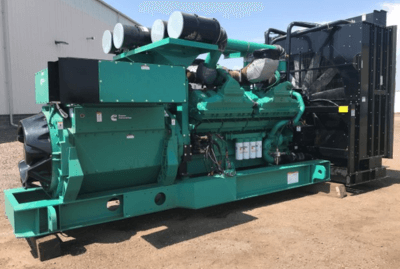
Ariel reciprocating compressors are designed for demanding industrial applications where reliability, efficiency, and continuous operation are essential. Because these compressors often operate for long periods under significant loads, individual components can eventually experience wear. Knowing when an Ariel compressor part needs replacement can help prevent unexpected shutdowns, secondary damage, and expensive emergency repairs.
The difficult part is identifying whether a component is genuinely worn or whether a performance problem is being caused by another system. Low capacity, unusual temperatures, vibration, leakage, and lubrication problems can have multiple causes. Replacing parts based only on symptoms can therefore waste money without solving the original problem.
For companies struggling with identifying worn compressor parts, the best solution is a structured inspection and condition-monitoring process. By comparing current operating conditions with normal performance and inspecting components before failure, maintenance teams can make better replacement decisions.
1. Watch for Changes in Compressor Performance
A gradual decline in compressor performance is one of the first signs that something may be wearing.
Operators may notice:
- Reduced gas capacity
- Higher discharge temperatures
- Increased vibration
- Unusual noise
- Greater packing leakage
- Changing lubrication requirements
- Unstable operating pressures
- Increased power consumption
These symptoms do not automatically identify a specific worn part. Instead, they indicate that further investigation is needed.
Solution: Record normal operating conditions and compare current readings against established baselines. A gradual change can be more informative than a single abnormal reading.
2. Inspect Compressor Valves
Valves are critical to the operation of a reciprocating compressor. A valve that does not seal correctly can reduce compression efficiency and increase temperature.
Valve problems can result from normal wear, contamination, improper operation, or component damage.
Possible warning signs include reduced capacity, abnormal cylinder temperatures, increased discharge temperature, and unusual operating behavior.
Solution: Monitor cylinder and valve-related temperatures where appropriate and inspect valves according to the applicable Ariel maintenance procedures.
Depending on the inspection, replacement may involve individual valve components or the complete valve assembly.
Do not replace valves simply because capacity has decreased. Verify the cause first.
3. Check Piston Rings for Wear
Piston rings help maintain compression and control gas movement within the cylinder.
As rings wear, sealing performance can deteriorate. This may contribute to reduced capacity, changes in operating behavior, or increased leakage.
Piston-ring wear can be influenced by operating conditions, lubrication, cylinder condition, gas characteristics, and contamination.
Solution: Look for changes in compressor performance and follow the manufacturer’s inspection procedures to assess ring condition.
If replacement is required, use the correct ring specification for the specific cylinder and compressor configuration.
4. Monitor Packing Leakage
Packing is responsible for controlling gas leakage around the piston rod.
Increasing leakage can be an important indication that packing components are wearing or that another condition is affecting sealing performance.
Ariel recommends monitoring packing leakage flow and packing-vent temperature as indicators of packing condition. Visual inspection of piston rods and associated surfaces can also provide useful information.
Possible replacement parts: Packing rings, wiper rings, seals, packing cases, and related components may require replacement.
However, repeated packing failures should prompt a broader investigation into piston-rod condition, lubrication, alignment, and operating temperatures.
5. Look for Piston-Rod Wear
The piston rod operates through the packing system and must maintain an appropriate surface condition for effective sealing.
Scoring, unusual wear, discoloration, or damage on the rod can contribute to packing problems and leakage.
A worn piston rod may cause newly installed packing to deteriorate prematurely.
Solution: Inspect the piston rod whenever packing problems occur repeatedly. If the rod surface is damaged beyond acceptable limits, replacing packing alone may not provide a lasting repair.
Ariel provides piston rods designed for its compressor applications, making correct identification important when replacement is required.
6. Pay Attention to Bearings and Bushings
Bearings and bushings are exposed to mechanical loads and lubrication conditions during compressor operation.
Wear may produce increased vibration, unusual noise, abnormal temperatures, or changes in mechanical performance.
Lubrication problems can accelerate wear, so a damaged bearing may be the result of another underlying problem.
Solution: Monitor vibration, temperature, lubrication condition, and mechanical noise. If bearing wear is suspected, inspect the component and related lubrication system before deciding on replacement.
Replacing a bearing without correcting a lubrication or alignment issue can result in another premature failure.
7. Investigate Lubrication Problems
A lubrication issue can be both a symptom and a cause of component wear.
Ariel compressors use lubrication systems designed to deliver oil to important components. Depending on the compressor configuration, monitoring can help identify inadequate lubrication.
Warning signs can include:
- Low lubrication pressure
- Lubrication alarms
- Abnormal component temperatures
- Unusual mechanical noise
- Increased wear
- Unexpected oil consumption
Solution: Check oil supply, filters, distribution components, lubrication lines, and monitoring devices.
If a component has already been damaged by inadequate lubrication, replacing that component without correcting the lubrication problem can lead to repeat failure.
8. Monitor Temperature Changes
Temperature is an important indicator of compressor health.
A gradual increase in discharge, cylinder, packing, or bearing temperature may indicate a developing problem.
High temperature can result from valve leakage, lubrication issues, operating conditions, restricted cooling, or other causes.
Ariel recommends temperature monitoring as part of identifying certain valve and packing problems.
Solution: Establish normal temperature ranges for the particular compressor and investigate sustained deviations.
Never assume that a high temperature automatically means a specific component needs replacement.
9. Listen for Unusual Noise and Vibration
Experienced operators can often identify changes in compressor behavior by sound and vibration.
Knocking, rattling, grinding, or unusual vibration can indicate mechanical wear or another developing fault.
Possible causes include loose components, bearing problems, valve issues, lubrication failures, alignment problems, or problems elsewhere in the compressor package.
Solution: Document when the noise occurs and whether it changes with load or speed. Use vibration monitoring where available and inspect the relevant components.
Early investigation can prevent a small mechanical issue from becoming a major failure.
The Main Solution to Identifying Worn Compressor Parts
The most effective solution to identifying worn compressor parts is to combine condition monitoring, scheduled inspection, performance data, and component testing.
Use this process:
Establish baseline → Monitor performance → Identify abnormal trend → Inspect system → Test component → Confirm wear → Verify replacement part → Repair → Recheck performance
This is much more reliable than replacing a part simply because a machine is performing poorly.
For example, reduced compressor capacity could result from valve leakage, piston-ring wear, packing problems, suction conditions, gas composition, speed, or other operating factors. Testing helps determine which possibility is actually responsible.
Don’t Ignore Manufacturer Specifications
Ariel compressors are available in different frame, cylinder, and configuration combinations. Consequently, the correct replacement component must be identified for the particular machine.
Before ordering a replacement part, collect:
- Compressor frame serial number
- Compressor model
- Cylinder information
- Existing component part number
- Component location
- Maintenance history
- Current compressor configuration
Ariel’s support resources request frame serial-number information when customers seek assistance, emphasizing the importance of unit-specific identification.
When Should You Replace a Part?
A compressor part should generally be replaced when inspection or approved diagnostic procedures show that it has reached an unacceptable wear condition, is damaged, or can no longer perform its intended function reliably.
Replacement may also be appropriate during planned overhaul when components have reached the manufacturer’s recommended service limits.
The decision should be based on measurable condition—not simply the age of the part.
Preventing Premature Compressor-Part Wear
Preventive maintenance can significantly extend component life.
Maintenance teams should:
- Monitor operating temperatures.
- Track compressor capacity.
- Check lubrication regularly.
- Monitor packing leakage.
- Inspect valves during scheduled maintenance.
- Monitor vibration and unusual noise.
- Maintain appropriate operating conditions.
- Keep accurate service records.
- Use correct replacement components.
- Investigate recurring failures instead of repeatedly replacing parts.
Keeping a history of component replacements can reveal patterns. If the same packing, valve, or bearing repeatedly fails much earlier than expected, the real problem may be an underlying operating or installation issue.
Final Thoughts
Knowing when an Ariel compressor part needs replacement is not simply a matter of looking for visible damage. Many worn components first reveal themselves through changes in performance, temperature, leakage, lubrication, vibration, or operating trends.
For businesses dealing with identifying worn compressor parts, the best solution is a proactive condition-based maintenance strategy. Establish normal operating baselines, monitor changes, inspect suspicious components, and confirm wear before purchasing replacement parts.
Valves, piston rings, packing components, piston rods, bearings, bushings, and lubrication components can all experience wear, but each requires proper diagnosis before replacement.
Most importantly, always verify the compressor’s exact model, frame serial number, configuration, and component part number before ordering. Correct diagnosis combined with accurate parts identification can reduce unnecessary purchases, prevent repeat failures, minimize downtime, and help keep an Ariel compressor operating safely and efficiently for longer.


