

Blog
Heavy Machinery for Sale in UAE: A Buyer’s Checklist for Construction Businesses

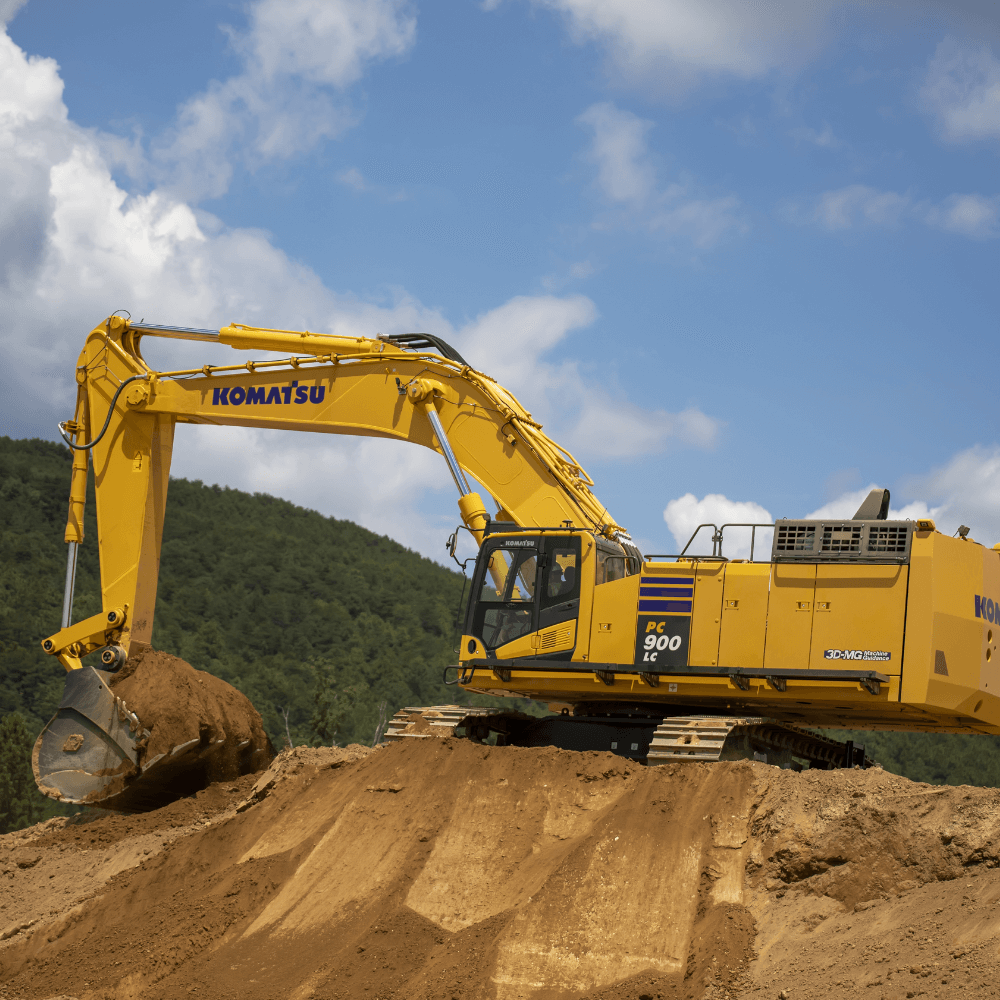
Construction businesses rely heavily on powerful and reliable equipment to complete projects efficiently. From excavation and material handling to road construction and site preparation, heavy machinery plays a central role in almost every stage of development. In a rapidly expanding construction market like the UAE, contractors frequently search for heavy machinery for sale in UAE to expand their fleet, replace aging equipment, or improve operational efficiency.
However, purchasing heavy equipment is a major financial investment. Choosing the wrong machine or buying equipment without proper inspection can result in unexpected maintenance costs, downtime, and reduced productivity. Many construction businesses struggle to identify reliable machinery, compare available options, and ensure they are getting the best value for their investment.
This is why having a clear buying checklist is essential. A well-planned approach helps businesses evaluate equipment quality, assess performance capabilities, and avoid costly purchasing mistakes.
In this guide, we provide a comprehensive buyer’s checklist to help construction businesses confidently choose the right heavy machinery for sale in UAE while ensuring long-term reliability and strong return on investment.
Understanding the Heavy Machinery Market in the UAE
The UAE is known for its large-scale infrastructure development, urban expansion, and continuous construction activity. As a result, the demand for heavy machinery remains consistently high across industries such as construction, logistics, mining, and transportation.
The heavy machinery for sale in UAE market offers a wide range of equipment options, including both new and used machines. Buyers can find machinery through equipment dealers, rental fleet sales, contractors upgrading their equipment, and specialized machinery suppliers.
Common types of heavy equipment available include:
- Excavators
- Bulldozers
- Wheel loaders
- Motor graders
- Backhoe loaders
- Cranes
- Forklifts
Because the UAE serves as a major equipment trading hub in the Middle East, buyers often have access to machinery imported from different regions. This creates opportunities to find competitive prices but also requires careful inspection and evaluation before making a purchase.
Key Factors to Evaluate Before Buying Heavy Machinery
When searching for heavy machinery for sale in UAE, construction businesses should carefully assess several factors to ensure the equipment meets their operational requirements.
Machine Condition
The overall condition of the machinery directly affects its performance and maintenance costs.
Inspect the following components:
- Engine performance
- Hydraulic system operation
- Transmission and drivetrain
- Undercarriage or tires
- Structural components such as the boom, frame, and bucket
A properly maintained machine should operate smoothly without unusual vibrations, leaks, or excessive noise.
Machine Age and Usage
Operating hours provide valuable insight into how heavily the machine has been used.
General benchmarks include:
- 0–5,000 hours: Low usage
- 5,000–10,000 hours: Moderate usage
- 10,000+ hours: Heavy usage
However, machines with higher operating hours may still perform well if they have been regularly serviced and properly maintained.
Brand and Model Reliability
Reputable equipment manufacturers typically produce machinery that lasts longer and performs better under demanding conditions.
Reliable brands are known for:
- Durable engineering
- Better fuel efficiency
- Long equipment lifespan
- Easy access to spare parts
Choosing a trusted brand also improves the resale value of the equipment.
Essential Inspection Checklist for Buyers
Before purchasing any heavy machinery for sale in UAE, construction businesses should follow a thorough inspection checklist to verify the equipment’s condition.
Engine Inspection
The engine is the most critical component of any heavy machine.
Check for:
- Excessive exhaust smoke
- Oil leaks or coolant leaks
- Unusual engine noises
- Difficulty starting the engine
A healthy engine should run smoothly and maintain consistent power output.
Hydraulic System Inspection
Hydraulic systems control lifting, digging, and steering functions.
Inspect:
- Hydraulic hoses for cracks or leaks
- Cylinders for damage or oil seepage
- Hydraulic fluid levels and condition
- Smooth operation of controls
Any delay or weakness in hydraulic response could indicate potential problems.
Structural and Frame Inspection
Structural integrity is essential for safety and long-term durability.
Look for:
- Cracks in the frame
- Rust or corrosion
- Bent structural components
- Signs of poor welding repairs
Structural damage can compromise equipment safety and may require expensive repairs.
Common Buying Mistakes Construction Businesses Should Avoid
Many construction companies make costly mistakes when purchasing heavy equipment. Understanding these common issues can help buyers make smarter decisions.
Focusing Only on the Purchase Price
Buying the cheapest machine available can often lead to higher maintenance costs in the long run.
Instead, consider the total cost of ownership, including:
- Maintenance expenses
- Fuel consumption
- Spare parts availability
- Expected lifespan
Ignoring Maintenance History
Machines without service records may have been poorly maintained.
Always request documentation showing:
- Scheduled maintenance
- Oil and filter changes
- Hydraulic system servicing
- Major repairs or component replacements
Skipping a Professional Inspection
Some issues are not visible during a basic inspection.
Hiring a professional equipment technician can help detect hidden mechanical or structural problems.
Benefits of Choosing the Right Heavy Machinery
Selecting the right equipment from the heavy machinery for sale in UAE market can significantly improve construction business performance.
Increased Project Efficiency
Reliable machinery allows operators to complete tasks faster and with greater precision, reducing project timelines.
Reduced Downtime
Machines in good condition require fewer repairs, allowing construction projects to progress without unexpected delays.
Lower Operational Costs
Fuel-efficient and properly maintained equipment reduces long-term operating expenses.
Strong Return on Investment
High-quality heavy machinery often retains strong resale value, allowing businesses to recover a portion of their investment when upgrading their fleet.
Expert Tips for Construction Equipment Buyers
Industry professionals recommend several strategies to help construction businesses make better purchasing decisions.
Test the Machine Before Buying
Whenever possible, operate the equipment and test key functions such as:
- Digging and lifting
- Steering and braking
- Hydraulic responsiveness
- Engine performance
Testing ensures the machine operates properly under working conditions.
Buy From Reputable Equipment Dealers
Reliable equipment suppliers typically provide:
- Verified equipment condition
- Maintenance documentation
- Transparent machine specifications
Working with experienced dealers reduces the risk of purchasing faulty equipment.
Check Spare Parts Availability
Before buying, confirm that spare parts for the machine model are readily available in the UAE. This helps prevent long repair delays and keeps projects running smoothly.
Consider Future Equipment Needs
Construction companies should think long-term when purchasing machinery. Choosing versatile equipment that can handle multiple tasks can increase operational flexibility and maximize equipment utilization.
Conclusion
Purchasing heavy machinery for sale in UAE is a significant decision for construction businesses. The right equipment can greatly improve productivity, efficiency, and profitability, while the wrong purchase can lead to costly repairs and project delays.
By following a structured buyer’s checklist, businesses can carefully evaluate machinery condition, operating hours, structural integrity, and maintenance history before making a purchase. Thorough inspections, professional evaluations, and proper testing are essential steps to ensure equipment reliability.
Avoiding common buying mistakes—such as focusing only on price or ignoring service records—can also protect companies from unexpected maintenance costs. Additionally, working with reputable equipment suppliers helps ensure transparency and equipment quality.


