

Blog
How to Choose the Right Excavator in Dubai for Your Construction Project

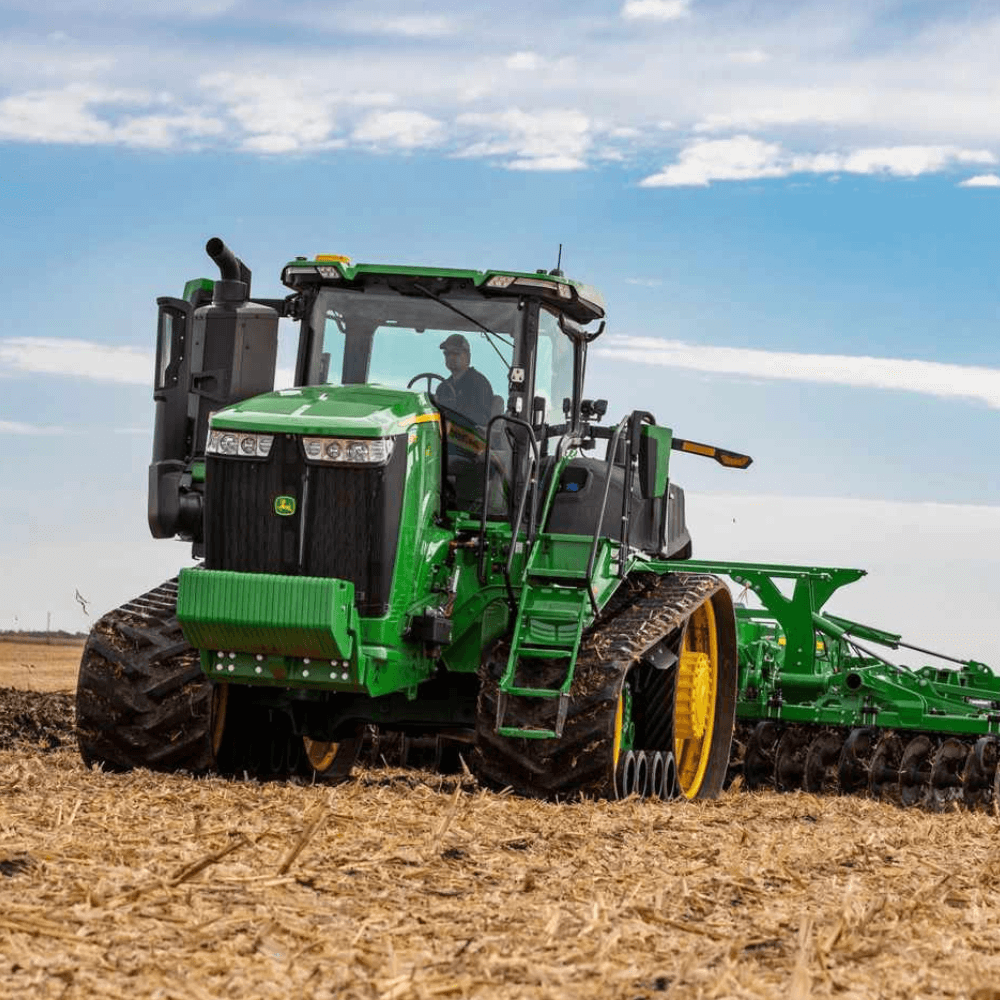
Excavators are among the most important machines used in construction projects, handling tasks such as digging foundations, trenching, lifting heavy materials, demolition, and site preparation. In rapidly developing regions like Dubai—where large infrastructure projects, commercial buildings, and urban developments are common—choosing the right excavator is critical for project efficiency and cost control.
However, many contractors and project managers struggle to select the most suitable machine. With multiple excavator sizes, types, and configurations available, choosing the wrong equipment can lead to slower work progress, higher fuel consumption, safety risks, and unnecessary operating costs. For example, a machine that is too large for the job may struggle to maneuver in tight urban sites, while a smaller machine may lack the power required for heavy excavation tasks.
Understanding how to evaluate your project requirements, jobsite conditions, and equipment specifications is essential when choosing an excavator. By carefully assessing these factors, contractors can ensure they select the right machine for their project. This guide explains how to choose the right excavator in Dubai, helping you maximize productivity while minimizing operational risks and costs.
Understanding Excavators and Their Role in Construction
Excavators are versatile construction machines designed to perform heavy-duty tasks using hydraulic-powered arms, buckets, and attachments. These machines are widely used in construction because they can rotate 360 degrees and support multiple attachments, allowing them to perform a wide range of operations.
Typical tasks performed by excavators include:
- Digging trenches and foundations
- Moving large amounts of soil or debris
- Demolition work
- Lifting and placing heavy materials
- Land grading and site preparation
Different excavator types are designed for specific construction scenarios.
Common Types of Excavators
Mini Excavators (Compact Excavators)
These are small machines ideal for projects with limited space such as landscaping, utility work, or residential construction. They are easy to transport and cause minimal ground disturbance.
Crawler Excavators
Crawler excavators use tracks instead of wheels and are designed for heavy-duty digging and rough terrain.
Wheeled Excavators
These excavators run on rubber tires and are commonly used in urban environments because they can move quickly between locations without damaging paved roads.
Long-Reach Excavators
These machines have extended arms that allow them to work on deep excavation or demolition projects that require extended reach.
Choosing the correct type of excavator depends on the nature of your construction project.
Key Factors to Consider When Choosing an Excavator
Selecting the right excavator requires evaluating several important technical and operational factors.
1. Project Size and Scope
The size of your construction project is one of the most important factors in determining the appropriate excavator.
Typical guidelines include:
- Small projects: Mini excavators (1–6 tons) for landscaping or residential work
- Medium projects: Midi excavators (6–10 tons) for general construction
- Large projects: Full-size excavators (10+ tons) for large infrastructure or commercial developments
Using a machine that matches the project scale ensures efficient performance without unnecessary operating costs.
2. Digging Depth and Reach Requirements
Different projects require different excavation depths and reach capabilities.
For example:
- Residential foundation excavation may require around 2–3 meters depth
- Commercial construction projects often require 4–6 meters
- Large infrastructure projects may require 8 meters or more of excavation depth
The excavator you choose must provide enough reach and digging power to handle these requirements efficiently.
3. Jobsite Conditions and Terrain
Construction sites in Dubai can vary significantly—from dense urban areas to desert landscapes.
Key terrain factors include:
- Soft or sandy soil: May require larger machines for stability
- Rocky terrain: Requires higher breakout force and possibly hammer attachments
- Confined urban areas: Compact excavators are easier to maneuver
Machines designed for specific terrain conditions improve safety and productivity.
4. Machine Power and Hydraulic Performance
The engine power and hydraulic system determine how efficiently an excavator performs tasks.
Important factors include:
- Engine horsepower
- Hydraulic pressure and speed
- Fuel efficiency
Stronger hydraulic systems improve digging precision and overall machine performance, especially when working with heavy materials.
5. Attachments and Versatility
One of the biggest advantages of excavators is their ability to use multiple attachments.
Common excavator attachments include:
- Digging buckets
- Hydraulic breakers for demolition
- Augers for drilling
- Grapples for material handling
These attachments allow a single excavator to perform multiple jobsite tasks, increasing efficiency and reducing the need for additional machines.
Common Problems When Choosing Excavators
Many contractors encounter problems because they fail to properly evaluate project requirements before selecting equipment.
Choosing an Excavator That Is Too Large
Large excavators provide more power but may struggle to operate in confined urban construction sites.
Solution:
Analyze site access, working space, and maneuverability before selecting equipment.
Using Machines with Insufficient Power
Smaller excavators may not have enough power to handle large excavation or heavy materials.
Solution:
Evaluate soil conditions and material type before selecting machine size.
Ignoring Site Access Limitations
Construction sites with narrow entry points may restrict the type of equipment that can be used.
Solution:
Measure site access points and consider compact excavators if space is limited.
Benefits of Choosing the Right Excavator
Selecting the right excavator for your project provides several operational advantages.
Increased Project Efficiency
The correct machine size allows operators to complete tasks faster and with fewer delays.
Lower Operating Costs
Properly sized equipment reduces fuel consumption and maintenance costs.
Improved Jobsite Safety
Using an excavator suitable for the job prevents overloading and improves machine stability, reducing accident risks.
Better Productivity
Excavators with appropriate bucket capacity and hydraulic power can move larger volumes of material efficiently.
Expert Tips for Choosing the Best Excavator
Experienced contractors follow several best practices when selecting construction equipment.
Analyze Project Requirements First
Create a detailed plan that outlines excavation depth, material type, project duration, and production targets.
Compare Multiple Excavator Options
Evaluate different models based on:
- Machine size
- engine power
- hydraulic performance
- fuel efficiency
Consider Rental vs Purchase
For short-term projects, renting excavators may be more cost-effective than purchasing new equipment.
Work with Reliable Equipment Suppliers
Professional equipment suppliers can recommend machines that match your project needs and provide maintenance support.
Test Equipment Performance
If possible, inspect or test the excavator before finalizing the purchase or rental agreement.
Conclusion
Choosing the right excavator is one of the most important decisions for any construction project in Dubai. Excavators are essential for excavation, material handling, demolition, and site preparation, making their performance directly linked to project productivity and efficiency.
To select the right machine, contractors must carefully evaluate factors such as project size, excavation depth, terrain conditions, machine power, and attachment compatibility. Understanding these requirements helps ensure that the excavator can perform efficiently without causing unnecessary operating costs or delays.
Avoiding common mistakes—such as choosing machines that are too large, underpowered, or unsuitable for the jobsite—can significantly improve project outcomes. Contractors should also work with reliable equipment suppliers and thoroughly evaluate machine specifications before making a decision.


