

Blog
Industrial Tools Suppliers in UAE: How to Select Quality Tools for Industrial Use

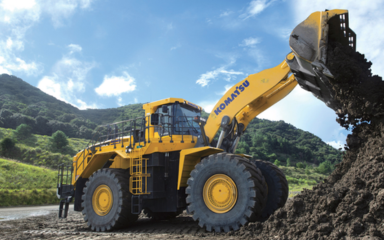
Industrial operations rely heavily on durable and high-performance tools to maintain productivity, safety, and efficiency. From manufacturing plants and construction sites to oil & gas facilities and mechanical workshops, professionals depend on specialized equipment to complete technical tasks accurately. Because of the UAE’s rapidly growing industrial sector, businesses frequently search for industrial tools suppliers in UAE to source reliable tools that can withstand demanding work environments.
However, selecting the right tools and suppliers is not always easy. Many companies face challenges such as identifying genuine products, comparing supplier reliability, and ensuring tools meet the required performance standards. Choosing low-quality tools can lead to equipment failure, workplace safety risks, and costly downtime.
Industrial tools must be designed to handle heavy loads, repeated mechanical stress, and extreme operating conditions. Therefore, businesses must carefully evaluate both the tools and the suppliers before making purchasing decisions.
This guide explains how to select high-quality tools from industrial tools suppliers in UAE, key factors to consider, common mistakes to avoid, and expert tips to ensure long-term performance and reliability.
Understanding Industrial Tools and Their Role in Industry
Industrial tools are specialized equipment designed for heavy-duty tasks in sectors such as manufacturing, construction, maintenance, and engineering. Unlike consumer tools, industrial-grade tools are engineered to withstand continuous usage, high torque, and demanding working conditions.
Common types of industrial tools used across UAE industries include:
- Hand tools: wrenches, pliers, screwdrivers, torque tools
- Power tools: drills, grinders, cutting machines
- Pneumatic tools: air-powered wrenches and sanders
- Precision tools: measuring instruments and calibration devices
- Hydraulic tools: expansion tools and lifting equipment
These tools are essential for tasks such as assembly, maintenance, mechanical repairs, and manufacturing operations. Industries rely on durable tools that maintain precision, resist deformation, and perform consistently under heavy workloads.
Because industrial environments often involve high temperatures, dust exposure, and long operating hours, tool durability becomes a critical factor when selecting equipment.
Key Factors to Consider When Choosing Industrial Tools Suppliers
Selecting reliable industrial tools suppliers in UAE requires evaluating several important criteria. Businesses should assess supplier reliability, product quality, and support services before making a purchase.
Supplier Reputation and Experience
A supplier’s track record can reveal a lot about their reliability and product quality.
Before choosing a supplier, consider:
- Years of industry experience
- Client testimonials and reviews
- Partnerships with well-known tool brands
- Industry certifications and compliance
Experienced suppliers often have established relationships with manufacturers and provide genuine products that meet industrial standards.
Range of Tools and Product Availability
Reliable suppliers should offer a wide range of industrial tools suitable for different industries.
Many suppliers in the UAE provide:
- Hand tools and mechanical tools
- Precision and measuring instruments
- Pneumatic and hydraulic tools
- Power tools and accessories
Industrial supply companies often stock tools from well-known global brands such as Bosch, Makita, and Stanley, ensuring reliability and performance in professional applications.
A supplier with a large inventory helps businesses source multiple tools from a single provider, simplifying procurement.
Compliance with International Quality Standards
Quality certification is one of the most important indicators of reliable tools.
When evaluating industrial tools suppliers in UAE, ensure their products meet recognized standards such as:
- ISO 9001 (Quality Management)
- ISO 45001 (Occupational Safety)
- ANSI standards for technical tools
- IEC standards for electrical equipment
Suppliers that follow these certifications demonstrate commitment to product quality and workplace safety.
Using certified tools also helps companies comply with industrial safety regulations.
Evaluating Tool Quality Before Purchase
Selecting high-quality tools is just as important as choosing the right supplier.
Material Strength and Durability
Industrial tools must be manufactured from high-strength materials such as chrome vanadium steel or alloy steel to withstand heavy workloads and repeated use.
High-quality tools provide:
- Better resistance to wear
- Reduced risk of deformation
- Longer service life
Professional-grade tools are specifically designed to endure repetitive mechanical stress without losing precision.
Ergonomic Design and Safety
Tools used for long periods must also prioritize operator comfort and safety.
Look for tools that feature:
- Anti-slip grips
- Ergonomic handles
- Reduced vibration technology
- Balanced weight distribution
Well-designed tools reduce operator fatigue and improve productivity.
Tool Accuracy and Performance
Precision tools such as torque wrenches and measuring instruments must maintain consistent accuracy.
Inaccurate tools can lead to:
- Poor assembly quality
- Damaged components
- Safety risks in critical operations
High-quality industrial tools maintain stable torque transfer and reliable performance even under heavy use.
Common Mistakes Businesses Make When Buying Industrial Tools
Many companies encounter operational issues because they overlook important factors when purchasing tools.
Choosing Tools Based Only on Price
Low-cost tools may appear attractive initially but often fail under industrial workloads.
Solution:
Focus on durability, reliability, and long-term performance instead of just price.
Ignoring Supplier Verification
Buying from unverified suppliers increases the risk of counterfeit or low-quality tools.
Solution:
Work with authorized distributors and verified suppliers.
Overlooking Maintenance and Support
Some tools require regular calibration or maintenance to maintain accuracy.
Solution:
Ensure the supplier provides maintenance guidance and spare parts support.
Problem-Solving: Ensuring Long-Term Tool Performance
Industrial tools must deliver consistent performance to maintain operational efficiency.
Implement Proper Tool Management
Organizations should create a tool management system to track equipment usage and maintenance.
Effective tool management includes:
- Regular inspection and servicing
- Calibration of precision tools
- Organized storage systems
- Inventory tracking
These systems help reduce tool loss, improve safety, and increase operational efficiency.
Train Employees on Proper Tool Usage
Incorrect tool usage is a common cause of tool failure.
Provide training programs to ensure employees:
- Use tools according to manufacturer guidelines
- Follow safety procedures
- Inspect tools before use
Proper training extends tool lifespan and improves workplace safety.
Expert Tips for Selecting the Best Industrial Tools
Industry professionals recommend several strategies when choosing tools from industrial tools suppliers in UAE.
Buy From Authorized Distributors
Authorized suppliers provide genuine products and manufacturer warranties, ensuring reliability and authenticity.
Evaluate Tool Performance Requirements
Choose tools that match the specific operational demands of your industry, whether it is construction, manufacturing, or oil & gas.
Compare Multiple Suppliers
Research several suppliers and compare:
- Product quality
- Price
- Warranty coverage
- After-sales support
Test Tools Before Large Purchases
If possible, test tools in real working conditions before placing bulk orders.
Plan for Long-Term Tool Investment
High-quality tools may cost more initially but provide better durability, safety, and productivity over time.
Conclusion
Industrial tools are essential for maintaining productivity, safety, and efficiency in sectors such as construction, manufacturing, and engineering. Because tools operate under demanding conditions, businesses must prioritize quality and reliability when selecting equipment.
Choosing the right industrial tools suppliers in UAE involves evaluating supplier reputation, product range, certification standards, and after-sales support. Reliable suppliers provide genuine tools that meet international safety and performance standards, ensuring consistent operation in challenging industrial environments.
Businesses should also carefully evaluate tool quality by considering factors such as material strength, ergonomic design, and accuracy. Avoiding common purchasing mistakes—such as focusing only on price or ignoring supplier verification—can help prevent costly operational issues.


