

Blog

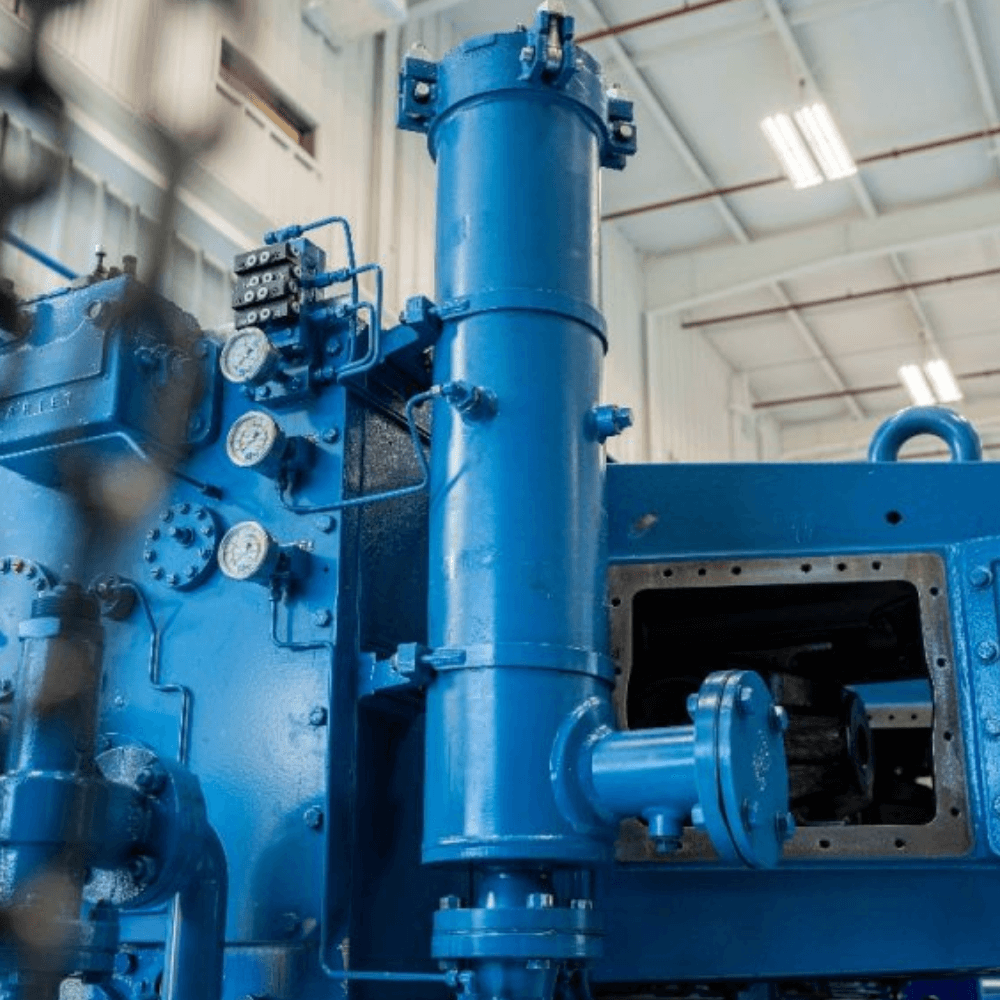
Ariel Compressor Parts for Oil and Gas Operations: Buyer Checklist
Ariel compressors are a backbone of oil and gas operations around the world, valued for their durability and consistent performance under demanding field conditions. But even the most reliable compressor depends on one thing to keep running smoothly: access to quality Ariel Compressor parts when maintenance or repairs are needed.
For buyers in the oil and gas industry, sourcing the right parts is not just about convenience. It directly affects safety, uptime, and the overall cost of running operations in some of the most demanding environments in the world. This checklist will walk you through exactly what to look for before placing an order, so you can avoid costly mistakes and keep your compressors running reliably.
Why Compressor Reliability Matters So Much in Oil and Gas
Compressors used in oil and gas operations often run continuously, under high pressure, in remote or harsh environments. A single failed component can shut down production, delay critical processes, and create safety concerns for workers on site. Unlike less critical industrial equipment, downtime in oil and gas operations often carries a much higher financial and operational cost.
This is why sourcing genuine or properly certified Ariel Compressor parts, from a supplier who understands the specific demands of this industry, is essential rather than optional.
Common Problems Buyers Face
Before diving into the checklist, it helps to understand the recurring challenges buyers encounter when sourcing compressor parts.
Difficulty finding the exact part for specific compressor models. Ariel compressors come in various models and configurations, and identifying the correct part number without clear technical support can lead to costly ordering mistakes.
Counterfeit or substandard components. Low quality imitation parts can look similar to genuine components but fail much sooner, creating safety risks and expensive secondary damage in high pressure applications.
Delayed shipping to remote locations. Oil and gas operations are often located far from major supply hubs, making fast and reliable logistics a critical factor in choosing a supplier.
Lack of technical guidance for specialized components. Compressor systems involve precise engineering, and without proper support, buyers can end up with parts that do not meet the specific pressure or performance requirements of their equipment.
Inconsistent quality control. Some suppliers do not maintain strict testing standards, which increases the risk of receiving parts that fail prematurely under the extreme conditions typical of oil and gas operations.
A dependable supplier of Ariel Compressor parts should directly address each of these challenges before you commit to an order.
The Complete Buyer Checklist
1. Confirm Compatibility With Your Exact Compressor Model
Before ordering anything, verify the exact model and configuration of your compressor. Ariel produces multiple compressor series, and even small differences between models can affect part compatibility. A reliable supplier will ask for these details and confirm fitment before processing your order.
2. Ask Whether the Part Is Genuine or Certified Aftermarket
Understand exactly what you are purchasing. Genuine parts offer guaranteed fit and manufacturer level quality standards, while certified aftermarket alternatives can provide cost savings for less critical components. A trustworthy supplier will clearly label which option you are buying, without blurring the distinction between the two.
3. Request Documentation and Quality Assurance Information
Ask the supplier how they verify the authenticity and quality of the parts they sell. Reputable suppliers should be able to explain their sourcing process, testing standards, and any certification that accompanies the part. Vague or evasive answers are a clear warning sign.
4. Check the Supplier’s Experience With Oil and Gas Applications
Not every industrial parts supplier understands the specific demands of oil and gas operations. Look for a supplier with direct experience serving this industry, since they will better understand pressure requirements, safety standards, and the urgency involved in keeping compressors running.
5. Evaluate Their Catalog for Electrical and Mechanical Components
A strong supplier should carry a full range of parts, including ECU units, sensors, harnesses, filters, pistons, cylinder blocks, cylinder heads, and crankshafts, along with specialized tools designed specifically for compressor maintenance and overhauls.
6. Ask About Delivery to Remote or Offshore Locations
Since oil and gas operations are often located far from major cities, ask how the supplier handles logistics to remote sites. A supplier experienced in air, road, and sea freight, with a track record of reaching challenging locations, is far better equipped to minimize downtime during urgent repairs.
7. Review Their Packaging and Handling Standards
Precision compressor components can be damaged easily if not packaged correctly during shipping. Ask about the supplier’s storage facilities and packaging practices to ensure parts arrive in the same condition they left the warehouse, especially for sensitive electrical components.
8. Confirm Transparent and Itemized Pricing
Request a clear quote that includes the part cost, shipping charges, and any additional fees before you commit to an order. Transparent pricing prevents unexpected costs and makes budgeting for ongoing maintenance easier to manage.
9. Look for Strong Technical Support
The best suppliers do more than sell parts. They help confirm the correct component for your specific compressor, explain compatibility across different models, and offer guidance on installation. This kind of support reduces the risk of costly mistakes, particularly for complex or high pressure components.
10. Check Their Track Record With Similar Clients
Ask for examples of other oil and gas clients the supplier has worked with, or look for testimonials that demonstrate consistent reliability. A supplier with a proven history serving this industry is far more likely to understand your specific needs and deliver consistent results.
11. Verify Their Presence Across Multiple Regions
If your operations span multiple countries, such as across the United States, Canada, or the Middle East, choose a supplier with proven experience serving those specific regions. Regional familiarity often means smoother handling of customs requirements and faster resolution of shipping issues.
12. Start With a Smaller Order if Working With a New Supplier
If you are testing a new supplier for the first time, consider starting with a smaller or less critical order. This allows you to evaluate their communication, shipping speed, and part quality before relying on them for larger or more urgent purchases in the future.
Building a Long Term Supply Relationship
Once you identify a supplier who meets every point on this checklist, it is worth building a consistent, long term relationship rather than splitting orders across multiple vendors. A single trusted source for your Ariel Compressor parts simplifies communication, ensures consistent quality, and often results in faster support during emergencies, since the supplier becomes familiar with your specific equipment and typical ordering patterns over time.
This is especially valuable in oil and gas operations, where a delayed part can mean lost production time that far outweighs any small savings from switching suppliers for a lower price.
Final Thoughts
Sourcing Ariel Compressor parts for oil and gas operations requires more care than a typical industrial purchase, given the safety, pressure, and remote location challenges involved. By following this checklist, from confirming compatibility and requesting documentation to evalu
ating logistics and technical support, buyers can avoid counterfeit products, reduce downtime, and keep compressors running reliably in even the most demanding environments.
The right supplier becomes a genuine partner in your operations, not just a vendor. With a trusted source for genuine and certified aftermarket parts, backed by real technical expertise and dependable logistics, your compressors can continue performing at their best, wherever your operations take you.


