

Blog

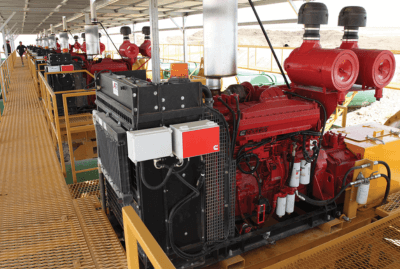
Industrial Generator Maintenance: Preventing Costly Downtime
Industrial generators are often the last line of defense when the main power supply fails. Whether they support hospitals, data centers, manufacturing plants, or remote job sites, these machines are expected to work flawlessly the moment they are needed. Yet many businesses only think seriously about industrial generator maintenance after a failure has already caused costly downtime.
This guide explains why consistent maintenance matters so much, the most common issues that lead to generator failure, and practical steps you can take to keep your equipment reliable, so downtime never catches your business off guard.
Why Downtime Is So Costly
When a generator fails during a critical moment, the cost goes far beyond the price of a repair. Production lines stop, refrigerated goods can spoil, medical equipment can lose power, and remote operations can grind to a halt. In many industries, every hour of downtime translates directly into lost revenue, missed deadlines, or in some cases, serious safety risks.
The unfortunate reality is that most generator failures are preventable. With a proper maintenance routine, many of the issues that lead to downtime can be identified and resolved long before they cause an actual shutdown.
Common Causes of Generator Failure
Understanding what typically causes generators to fail helps clarify exactly where maintenance efforts should be focused.
Neglected routine inspections. Many failures happen simply because small issues, such as worn belts or low fluid levels, are not caught early because inspections are skipped or delayed.
Filter related problems. Dirty or clogged air and oil filters allow contaminants into the engine, accelerating wear on internal components and reducing overall performance over time.
Battery failure. A generator is only useful if it starts when needed. Weak or failing batteries are one of the most common reasons generators fail to start during an actual power outage.
Fuel system issues. Old or contaminated fuel, along with worn fuel injectors or pumps, can cause inconsistent performance or complete failure to start.
Cooling system failures. Overheating is one of the most damaging issues a generator can experience. Neglected radiators, low coolant levels, or worn hoses often lead to this problem.
Electrical and sensor faults. Modern generators rely on sensors and control systems to monitor performance. A failing sensor can trigger false alarms or, worse, mask a real issue that leads to unexpected failure.
Lack of load testing. Generators that sit idle for long periods without being tested under load may develop issues that only become apparent when the generator is actually needed, which is the worst possible time to discover a problem.
Building an Effective Maintenance Routine
Establish a Consistent Inspection Schedule
Routine inspections should be based on operating hours or a set calendar schedule, whichever fits your specific generator usage. Regular checks on fluid levels, belts, hoses, and general condition help catch small issues before they escalate into major failures.
Replace Filters on Schedule
Oil and air filters should be replaced according to manufacturer recommendations rather than waiting for a visible drop in performance. This simple, low cost practice protects the engine from unnecessary internal wear and extends its overall lifespan.
Test Batteries Regularly
Since a dead battery is one of the most common reasons generators fail to start, batteries should be tested on a regular basis, especially for standby generators that may sit unused for extended periods between uses.
Monitor Fuel Quality and Storage
For generators that rely on stored fuel, regular fuel quality checks help prevent contamination issues that can clog fuel systems or cause inconsistent engine performance. Fuel should be rotated or treated as needed to maintain its usability over time.
Inspect Cooling Systems Thoroughly
Coolant levels, radiator condition, and hose integrity should be checked regularly, particularly for generators operating in hot environments or under heavy continuous load, where overheating risk is higher.
Check Electrical Components and Sensors
Routine inspection of wiring harnesses, connections, and sensors helps catch electrical issues early, preventing both false alarms and the more serious risk of a real problem going unnoticed.
Conduct Regular Load Testing
Running your generator under load on a scheduled basis ensures it performs correctly when it truly matters. Load testing reveals issues that may not be visible during a simple startup check, giving you the chance to address them before an actual emergency.
The Role of Quality Spare Parts in Preventive Maintenance
Even the best maintenance schedule depends on having access to reliable spare parts when a component needs replacing. Using low quality or counterfeit parts during routine maintenance can undo the benefits of an otherwise solid maintenance plan, leading to premature failures despite your best efforts.
When sourcing parts for maintenance, look for a supplier who offers the following.
Genuine and certified aftermarket options, giving you flexibility depending on the criticality of the component and your maintenance budget.
A wide catalog covering engines, electrical systems, cooling components, and fuel systems across major generator brands.
Fast and reliable delivery, since delays in receiving parts can turn routine maintenance into extended downtime.
Technical support, to help confirm compatibility and avoid costly ordering mistakes.
Transparent pricing and secure packaging, ensuring parts arrive on time, in proper condition, and without hidden costs.
Building a Long Term Maintenance Strategy
Keep detailed maintenance records. Tracking service history for each generator helps predict when components are likely to need replacement, allowing you to plan ahead rather than react to failures.
Stock commonly needed parts. Keeping filters, belts, and other frequently replaced components on hand reduces downtime waiting for shipments during routine service.
Train staff to recognize early warning signs. Educating your team to notice unusual noises, vibration, or performance changes helps catch developing issues before they escalate into major failures.
Schedule major overhauls in advance. Planning significant repairs during scheduled downtime, rather than waiting for an emergency, allows you to source parts ahead of time and avoid rush shipping costs.
Partner with one trusted supplier. Consolidating your parts sourcing with a single reliable supplier simplifies tracking, improves consistency, and often leads to faster support during emergencies, since the supplier becomes familiar with your specific equipment.
Final Thoughts
Preventing costly downtime comes down to one simple principle: consistent industrial generator maintenance is always more affordable than emergency repairs. By establishing a clear inspection schedule, replacing filters and batteries on time, monitoring fuel and cooling systems, and conducting regular load testing, businesses can catch most issues long before they lead to failure.
Pairing this proactive approach with a reliable source of genuine and certified aftermarket spare parts ensures that when a component does need replacing, the right part is available quickly, without compromising quality. With the right maintenance routine and the right supplier as a partner, your industrial generator can remain a dependable source of backup power exactly when your business needs it most.


