

Blog

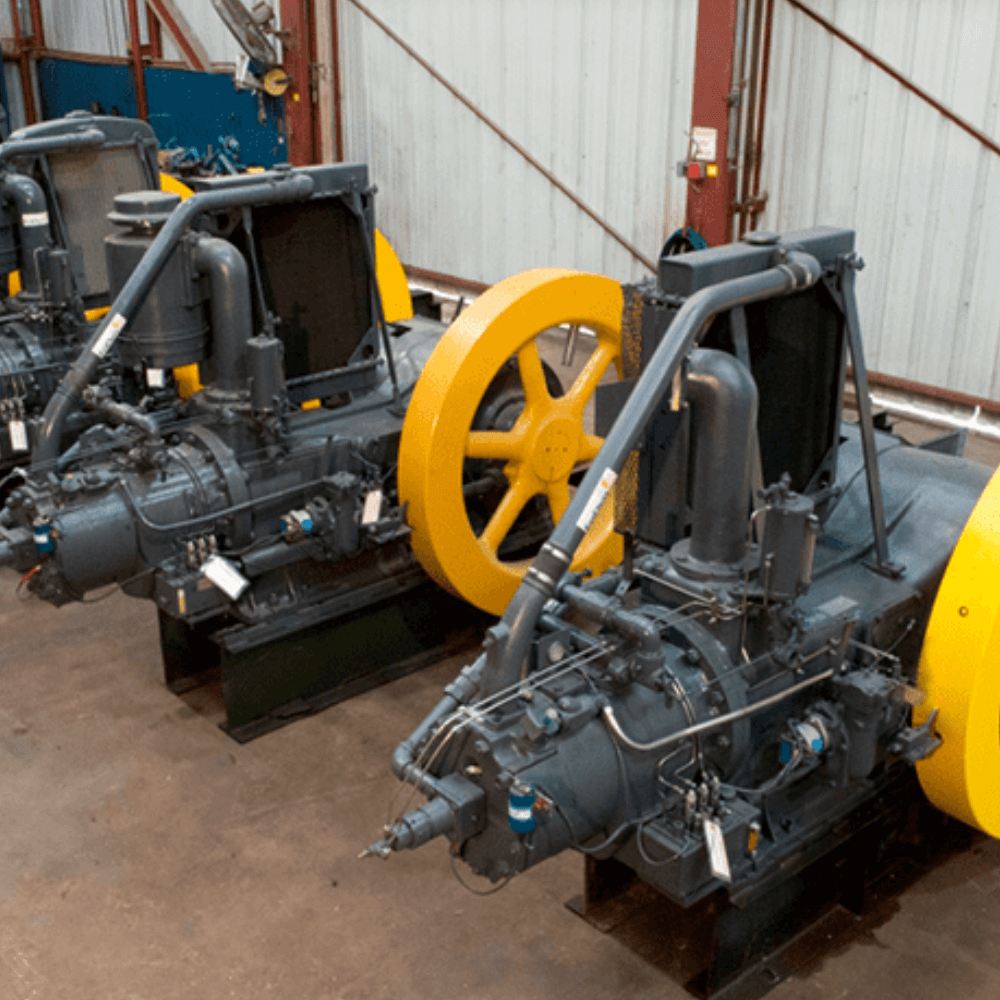
Heavy Equipment Parts Shipping: Air, Road, and Sea, Which Is Right for You
When a critical piece of machinery goes down, getting the right part to your job site quickly becomes the top priority. But heavy equipment parts shipping is not a one size fits all process. Depending on your location, budget, and how urgent the repair truly is, choosing between air, road, and sea freight can significantly affect both cost and delivery time.
This guide will break down the strengths and limitations of each shipping method, helping you make the right choice for your specific situation and avoid the kind of shipping mistakes that lead to unnecessary downtime or wasted budget.
Why Shipping Method Matters So Much
Heavy equipment often operates in industries where downtime carries a real financial cost. A machine sitting idle on a construction site, oil field, or production facility can delay entire projects, and every day without the right part adds to that cost. At the same time, defaulting to the fastest shipping option for every order can quickly drain a maintenance budget unnecessarily.
Understanding the tradeoffs between air, road, and sea freight allows you to make informed decisions based on urgency, part size, destination, and cost, rather than guessing or relying on a supplier’s default shipping choice.
Air Freight
How It Works
Air freight moves parts by cargo or passenger aircraft, offering the fastest transit times of any shipping method available for long distance deliveries.
When Air Freight Makes Sense
Critical downtime situations. When a machine is completely out of service and every hour of delay is costing significant money, air freight is often the only option fast enough to minimize the financial impact.
Smaller, high value components. Parts like sensors, ECU units, injectors, and other precision electrical components are well suited to air freight since they are typically compact and lightweight, keeping shipping costs more manageable despite the higher rate per kilogram.
Long distance international shipments. For parts traveling across continents, air freight dramatically reduces transit time compared to sea shipping, which can take weeks depending on the route.
Limitations to Consider
Air freight is significantly more expensive than road or sea shipping, particularly for large or heavy components. It is also less practical for oversized parts like engine blocks or hydraulic cylinders, where the sheer size and weight make air shipping costs unreasonably high compared to other methods.
Road Freight
How It Works
Road freight uses trucks to transport parts across regional or cross border distances, making it a flexible option for many industrial buyers.
When Road Freight Makes Sense
Regional deliveries. For parts moving within the same country or between neighboring countries with strong road infrastructure, road freight often provides a good balance between speed and cost.
Larger or heavier components. Road transport can accommodate bigger parts, such as cylinder blocks, transmissions, or bulk shipments of smaller components, more cost effectively than air freight.
Direct to site delivery. Road freight is particularly useful for reaching remote construction or industrial sites that may not have convenient access to air or sea ports, since trucks can often deliver directly to the final destination.
Limitations to Consider
Road freight transit times are generally longer than air shipping, especially for international shipments that require border crossings and customs processing. Road conditions, distance, and regional infrastructure can also affect reliability and delivery timelines.
Sea Freight
How It Works
Sea freight moves cargo via container ships, making it the most cost effective option for large volume or heavy shipments traveling long international distances.
When Sea Freight Makes Sense
Bulk orders and large components. For heavy or oversized parts like engine blocks, transmissions, or bulk inventory orders, sea freight offers significant cost savings compared to air or even road transport over long distances.
Non urgent restocking. When ordering parts for planned maintenance or building up inventory rather than responding to an emergency, sea freight allows you to save on shipping costs since transit time is less critical.
International shipments where cost matters most. For businesses managing tight maintenance budgets, sea freight is often the most economical way to source parts from international suppliers, provided the timeline allows for longer transit periods.
Limitations to Consider
Sea freight is by far the slowest shipping method, often taking weeks depending on the origin, destination, and port availability. It is not suitable for emergency repairs where a machine is already out of service, and shipments can also be affected by port congestion or customs delays.
How to Decide Which Method Is Right for You
Choosing the right shipping method comes down to weighing a few key factors together, rather than relying on a single consideration alone.
Urgency of the repair. If a machine is completely down and losing money every hour, air freight is usually worth the additional cost. If the repair can wait a few weeks as part of planned maintenance, sea or road freight will likely save money without sacrificing your timeline.
Size and weight of the part. Small, lightweight components are well suited to air freight, while large or heavy parts are often more practical and affordable to ship by road or sea.
Distance and destination. Regional deliveries often favor road freight, while long distance international shipments require weighing the cost difference between air and sea based on how urgent the need truly is.
Budget constraints. If cost is the primary concern and the repair is not time sensitive, sea freight typically offers the most savings, while air freight should be reserved for situations where downtime costs outweigh the additional shipping expense.
Why Your Supplier’s Shipping Experience Matters
Regardless of which method fits your situation, the supplier you work with plays a major role in how smoothly the shipping process goes. A dependable supplier should offer flexibility across all three shipping methods, allowing you to choose the right option based on your specific needs rather than being limited to whatever method the supplier prefers.
Look for a supplier who can answer the following questions clearly.
Can you offer air, road, and sea freight options depending on my urgency and budget.
What is your typical transit time for each shipping method to my specific location.
How do you handle customs and import procedures to avoid unnecessary delays.
Do you provide proper packaging to protect parts during transit, regardless of shipping method.
Can you provide tracking and updates throughout the shipping process.
A supplier with strong logistics experience across all three methods gives you the flexibility to make the right shipping decision every time, rather than defaulting to whatever is most convenient for them.
Final Thoughts
There is no single best shipping method for heavy equipment parts shipping. The right choice depends on how urgent your repair is, the size and weight of the part, your budget, and how far the shipment needs to travel. Air freight offers speed for critical situations, road freight provides flexibility for regional deliveries, and sea freight delivers the most cost effective option for large or non urgent shipments.
By understanding the strengths and limitations of each method, and working with a supplier who offers flexible logistics across all three options, you can make smarter shipping decisions that balance cost and urgency, keeping your equipment running without unnecessary delays or wasted budget.


