

Blog
OEM vs Aftermarket Heavy Equipment Parts: Which Is Better for Your Machine?

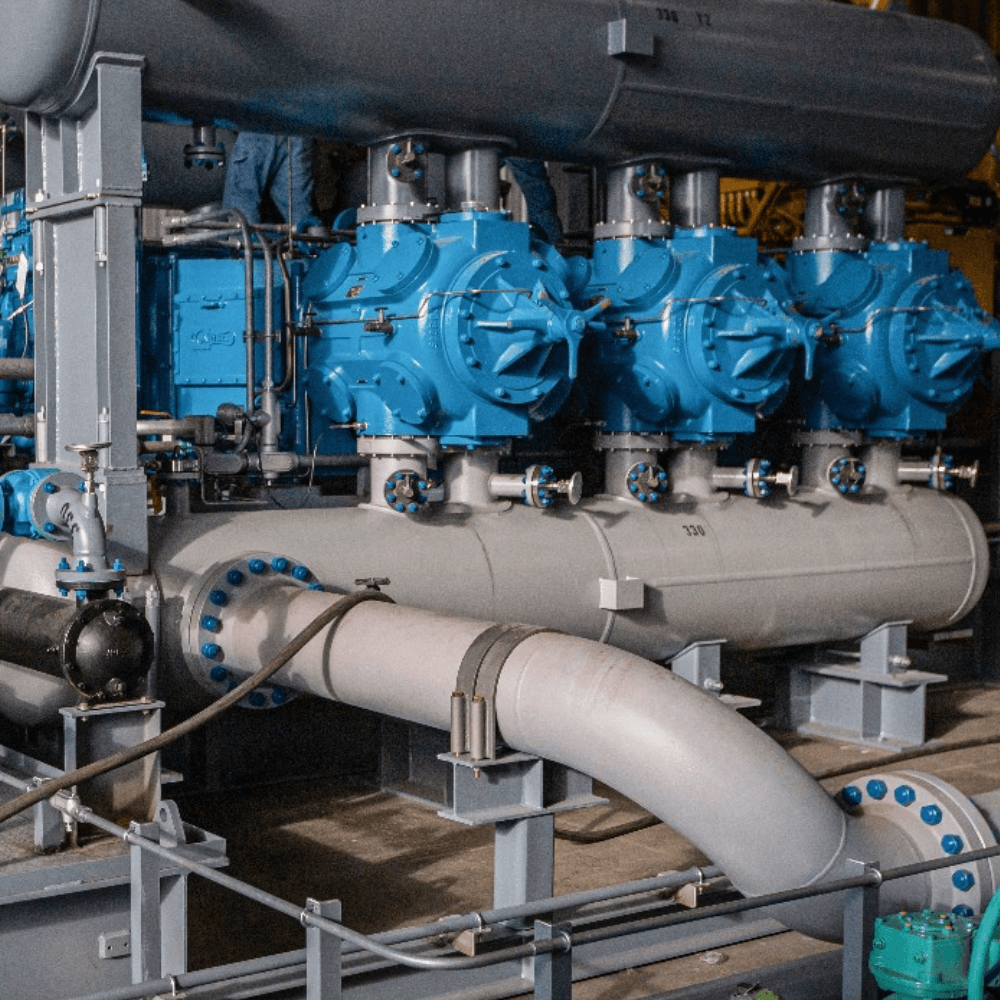
When heavy equipment needs a replacement part, one of the biggest decisions is whether to buy an OEM (Original Equipment Manufacturer) part or an aftermarket part. This choice can affect machine performance, reliability, maintenance costs, and downtime.
For equipment owners and maintenance managers, the question is not simply, “Which part is cheaper?” The more important question is, “Which part provides the best overall value for this particular machine and application?”
OEM and aftermarket parts both have advantages and disadvantages. Understanding the differences can help you avoid poor-quality components, compatibility problems, and unnecessary expenses.
What Are OEM Heavy Equipment Parts?
OEM parts are manufactured by the original equipment manufacturer or produced specifically to the manufacturer’s specifications. They are designed for particular equipment models and applications.
For example, if you operate an excavator from a particular manufacturer, an OEM hydraulic filter is designed according to the specifications required for that machine.
One major advantage of OEM parts is predictable compatibility. The manufacturer has designed the equipment and the replacement component to work together, reducing uncertainty during installation.
OEM parts can be especially attractive for critical components such as hydraulic pumps, engine components, electronic control units, transmissions, and other parts where precise specifications are important.
What Are Aftermarket Heavy Equipment Parts?
Aftermarket parts are produced by companies other than the original equipment manufacturer. They are generally designed to replace an existing component and may be available for a wide range of heavy equipment.
The aftermarket market includes both reputable manufacturers and lower-quality suppliers. Therefore, “aftermarket” does not automatically mean “bad,” just as OEM does not automatically mean “best for every situation.”
A high-quality aftermarket component can sometimes provide good performance at a lower purchase price. However, buyers need to verify specifications, materials, dimensions, and compatibility before purchasing.
OEM vs Aftermarket: The Key Differences
The biggest difference is usually the source and specification of the component.
OEM parts generally offer:
- Strong compatibility with the specified machine
- Consistent manufacturing standards
- Manufacturer-backed specifications
- Easier part identification
- Predictable fit and installation
Aftermarket parts may offer:
- Lower upfront purchase prices
- More supplier options
- Greater availability for some machines
- Multiple quality levels
- Potentially good value from reputable manufacturers
The right choice depends on the type of part, machine, operating conditions, budget, and consequences of failure.
1. Consider the Importance of the Part
Not every replacement component deserves the same purchasing strategy.
For a critical engine, transmission, hydraulic, or electronic component, reliability may be more important than saving money on the initial purchase.
For less critical wear components, a reputable aftermarket option may provide excellent value.
Before purchasing, ask:
What happens if this part fails?
If failure could stop an entire project, damage other components, or create a serious safety concern, choosing a proven, high-quality component should be the priority.
2. Compare Total Cost, Not Just Purchase Price
One of the most common mistakes is choosing a part based only on its initial price.
Suppose an aftermarket component costs significantly less than an OEM alternative. That sounds attractive, but if the cheaper component has a shorter service life or causes additional downtime, the actual cost may be higher.
Consider the total cost of ownership, including:
- Purchase price
- Installation labor
- Expected service life
- Maintenance requirements
- Downtime
- Potential damage to other components
- Warranty or replacement costs
The cheapest part is not necessarily the most economical part.
3. Check Fit and Compatibility
Whether you choose OEM or aftermarket, compatibility is essential.
Never assume that a part will work simply because it is advertised for a particular machine model.
Verify:
- Machine manufacturer
- Exact model
- Serial number
- Original part number
- Dimensions
- Pressure or capacity ratings
- Material specifications
- Mounting configuration
- Electrical specifications, where applicable
For aftermarket parts, this verification becomes particularly important because different manufacturers may offer components for the same machine with different specifications.
4. Evaluate the Supplier
The supplier you purchase from can be just as important as the type of part you choose.
A reputable supplier should be able to provide accurate part information, technical specifications, compatibility details, and warranty terms.
Avoid suppliers that provide vague descriptions or cannot confirm whether a component fits your exact machine.
Ask questions before purchasing. A reliable supplier should be comfortable discussing the part’s specifications and application.
5. Think About Your Operating Environment
Heavy equipment working in extreme environments may require higher-quality or application-specific components.
Machines used in mining, quarrying, demolition, construction, agriculture, and other demanding environments can experience significant dust, heat, vibration, moisture, and heavy loads.
In these conditions, component quality and durability become particularly important.
An aftermarket part may still be suitable, but it should be proven for the specific operating conditions rather than selected solely because it is cheaper.
6. Warranty and Support Matter
Warranty coverage can make a significant difference when comparing OEM and aftermarket components.
Review what the warranty covers, how long it lasts, and what conditions apply.
Also consider technical support. If a part fails or does not perform as expected, having a supplier that can respond quickly can reduce downtime.
A slightly higher purchase price may be worthwhile if it comes with dependable support and clear warranty protection.
7. Availability Can Influence the Decision
Sometimes the best part is the one that can be obtained quickly without compromising quality.
If an OEM component has a long lead time while a reputable aftermarket alternative is immediately available, the aftermarket option may make more financial sense—provided it meets the required specifications.
Heavy equipment downtime can be extremely costly. Therefore, availability should be considered alongside price, quality, and compatibility.
8. Don’t Assume All Aftermarket Parts Are Equal
This is one of the most important points to remember.
The aftermarket industry includes manufacturers with different levels of engineering capability, manufacturing quality, testing, and quality control.
Therefore, comparing “OEM vs aftermarket” as though aftermarket parts are one category can be misleading.
Instead, compare the specific part and manufacturer.
Look for documented specifications, quality standards, warranty information, application experience, and supplier reputation.
The Main Solution to Choosing Between OEM and Aftermarket
The solution to the main user problem—choosing between OEM and aftermarket—is to use a part-by-part decision process rather than choosing one category for every machine.
A practical decision framework is:
1. Identify the exact part.
Confirm the machine model, serial number, and original part number.
2. Determine how critical the component is.
For safety-critical or highly complex components, prioritize proven reliability and compatibility.
3. Compare specifications.
Don’t compare prices until you know the alternatives meet the same functional requirements.
4. Compare total ownership costs.
Consider service life, labor, downtime, warranty, and replacement frequency.
5. Evaluate the supplier and manufacturer.
Choose established sources with clear specifications and support.
6. Consider operating conditions.
A component that works well in light-duty applications may not be suitable for severe-duty environments.
7. Make the decision based on value.
Choose the option that provides the best combination of compatibility, reliability, availability, and long-term cost.
When Should You Choose OEM?
OEM parts are often a strong choice when:
- The component is critical to machine performance.
- Compatibility must be highly predictable.
- The machine is relatively new or under warranty.
- Failure would cause significant downtime.
- The component involves complex electronic or hydraulic systems.
- Manufacturer specifications are difficult to match with alternatives.
When Should You Consider Aftermarket?
A reputable aftermarket part may be worth considering when:
- The component is a common wear item.
- Specifications can be clearly verified.
- The supplier has a strong reputation.
- The price difference is significant.
- The part has proven performance in your application.
- Availability is better than the OEM alternative.
Final Thoughts
There is no universal winner in the OEM vs aftermarket debate. The better choice depends on the machine, component, operating environment, budget, and consequences of failure.
OEM parts can provide confidence in compatibility and manufacturer specifications, while quality aftermarket parts can offer competitive pricing, availability, and strong value.
The key is to avoid making purchasing decisions based solely on price or brand name. Instead, verify the exact part, compare specifications, evaluate the supplier, consider total ownership costs, and determine how critical the component is.
For businesses struggling with choosing between OEM and aftermarket, the smartest approach is a balanced one: use OEM when reliability and exact compatibility are the highest priorities, and consider reputable aftermarket alternatives when they meet the required specifications and provide better overall value.
Ultimately, the right spare part is not necessarily the cheapest or the most expensive. It is the one that fits correctly, performs reliably, lasts appropriately for the application, and minimizes the total cost of keeping your heavy equipment working.


