

Blog
How to Choose the Right Heavy Equipment Spare Parts Without Getting the Wrong Fit

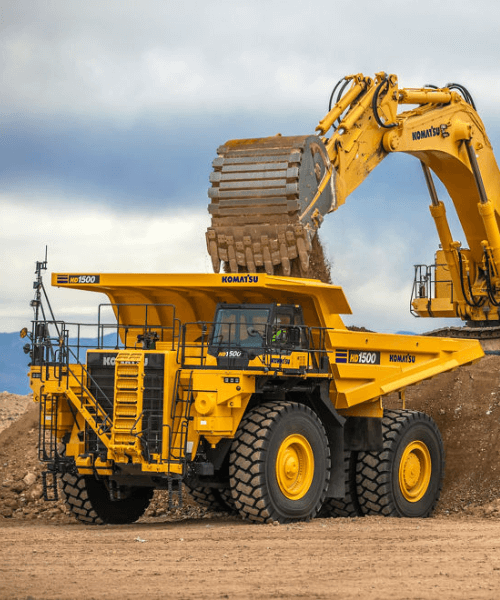
Heavy equipment plays a critical role in construction, mining, agriculture, roadwork, manufacturing, and many other industries. When an excavator, bulldozer, wheel loader, crane, or other machine needs a replacement part, getting the right spare part is essential. Choosing the wrong component can lead to installation problems, equipment damage, unexpected downtime, and unnecessary expenses.
Unfortunately, incorrect part purchases are a common problem. A part may look identical to the original but still have different dimensions, specifications, materials, or compatibility requirements. Ordering based only on appearance, a machine model, or a vague description can result in the wrong fit.
The good news is that businesses can greatly reduce these mistakes by following a systematic approach when selecting heavy equipment spare parts.
1. Identify the Exact Equipment Model
The first step is to identify the machine correctly. Heavy equipment manufacturers often produce several models that look similar but use different components.
For example, two excavators from the same manufacturer may have similar designs while using different hydraulic filters, seals, pumps, or engine components.
Before ordering a part, record the machine’s:
- Manufacturer
- Model number
- Serial number
- Production year, when relevant
- Engine model
- Attachment specifications, if applicable
Providing complete equipment information gives the parts supplier a much better chance of identifying the correct component.
2. Use the Part Number Whenever Possible
One of the safest ways to avoid purchasing the wrong spare part is to use the original part number.
Part numbers are unique identifiers assigned by manufacturers or suppliers. Instead of relying on descriptions such as “hydraulic filter for excavator,” provide the exact part number whenever it is available.
Check the old component, equipment manual, parts catalog, or manufacturer’s documentation for the number.
However, don’t assume that every number printed on a component is the correct ordering number. Some markings may represent batch numbers, manufacturing codes, or serial information rather than the actual spare-part number.
3. Verify the Serial Number
A machine’s model number may not always be enough. Manufacturers sometimes change components during a model’s production cycle. Machines with the same model name can therefore require different parts depending on their serial number or production range.
This is particularly important for engines, transmissions, hydraulic systems, electrical components, and other assemblies.
Solution: Always provide the equipment serial number to the supplier when possible. Ask the supplier to confirm that the replacement part matches that specific serial-number range before purchasing.
4. Compare Technical Specifications
Never judge a spare part solely by its appearance. Two parts can look almost identical but have different specifications.
Depending on the component, check details such as:
- Dimensions
- Thread size
- Voltage
- Pressure rating
- Flow rate
- Material
- Mounting configuration
- Capacity
- Operating temperature
- Seal type
For filters, for example, thread dimensions, filtration efficiency, bypass-valve settings, and physical dimensions may all matter.
For hydraulic components, pressure and flow specifications are particularly important.
5. Check the Equipment Parts Manual
The manufacturer’s parts manual or illustrated parts catalog can be an extremely useful resource. These documents often show component diagrams, part numbers, assemblies, and compatible variations.
Instead of guessing which component belongs to a machine, use the documentation to identify the correct position and corresponding part number.
If a manual lists several variations, pay attention to serial-number ranges, engine configurations, and optional equipment.
6. Don’t Rely on Photos Alone
Online marketplaces and supplier websites often display product photographs. While images can help you compare general appearance, they should not be the primary method of identifying a replacement part.
Lighting, camera angles, and product variations can make different components appear identical.
A better approach is to compare the part number and technical specifications first and use photographs only as an additional verification step.
7. Ask the Supplier for Compatibility Confirmation
A reputable spare-parts supplier should be willing to verify compatibility before completing an order.
Give the supplier as much information as possible, including the equipment model, serial number, original part number, engine details, and photographs of the existing component if necessary.
Ask a direct question: “Can you confirm that this part is compatible with my exact machine and serial number?”
Written confirmation can also help prevent misunderstandings, especially for expensive components.
8. Understand OEM, Aftermarket, and Replacement Options
Not every replacement part must come directly from the original equipment manufacturer (OEM), but buyers should understand the differences between OEM, aftermarket, and alternative components.
OEM parts are designed according to the manufacturer’s specifications. Aftermarket parts may be produced by independent manufacturers and can vary in quality and compatibility.
A lower purchase price does not automatically mean a better deal. If an inexpensive component fails early or causes damage to another system, the total cost can become much higher.
Before purchasing an alternative part, verify that its specifications and compatibility meet the equipment’s requirements.
9. Beware of “Universal” Parts
The term “universal” can be misleading in heavy equipment applications. Some parts may genuinely fit multiple machines, but others may only work with specific models or configurations.
Heavy equipment operates under significant loads and pressures, so compatibility is more important than simply making a component physically fit.
A part that can be installed does not necessarily mean it is suitable for safe and reliable operation.
Always confirm that the replacement meets the manufacturer’s required specifications.
10. Keep Accurate Purchase Records
Preventing incorrect purchases becomes easier when your company maintains good records.
Create a database or spreadsheet containing each machine’s model, serial number, commonly replaced parts, approved part numbers, suppliers, and purchase history.
When the same filter, seal kit, belt, or other component is needed again, your maintenance team can refer to verified information instead of starting the identification process from scratch.
This can save time and reduce ordering mistakes.
The Main Solution to Incorrect Part Purchases
The best solution to incorrect part purchases is to establish a part-verification process before every order.
Instead of allowing employees to order parts using only a machine name or visual description, require them to verify several pieces of information.
A simple verification process can follow these steps:
Machine → Model → Serial Number → Original Part Number → Specifications → Compatibility Confirmation → Order
Before placing the order, compare the supplier’s part number with the manufacturer’s documentation. If there is any uncertainty, contact the supplier and request confirmation.
For expensive or critical components, use a two-person verification system. One employee identifies the required part, while another checks the machine information and part number before the order is submitted.
This small additional step can prevent costly mistakes.
It is also useful to work with a supplier that specializes in heavy equipment spare parts. Experienced suppliers can often identify compatible components from serial numbers, part numbers, technical specifications, and equipment documentation.
What to Do When You Already Bought the Wrong Part
If an incorrect part has already been purchased, avoid installing it simply because it looks close to the original.
First, stop the installation and compare the component with the machine’s required specifications. Contact the supplier and explain the mismatch. Keep the original packaging, invoices, part numbers, and product documentation because these may be needed for an exchange or return.
If the component has already been installed and the equipment behaves differently, stop operation when continued use could cause damage and have the machine inspected by a qualified technician.
Final Thoughts
Choosing the right heavy equipment spare part requires more than finding something that looks similar. Model numbers, serial numbers, original part numbers, technical specifications, and manufacturer documentation all play an important role in ensuring the correct fit.
The most effective way to prevent incorrect part purchases is to create a consistent verification system. Identify the exact machine, verify the original part number, check technical specifications, confirm compatibility with the supplier, and maintain accurate records for future orders.
A few extra minutes spent verifying a part before purchasing it can prevent hours of downtime and potentially thousands in unnecessary costs. For heavy equipment businesses, accurate parts identification is not just a purchasing task—it is an important part of reliable maintenance and efficient operations.


