

Blog
Heavy Equipment Keeps Breaking Down? 10 Common Causes and How to Prevent Them

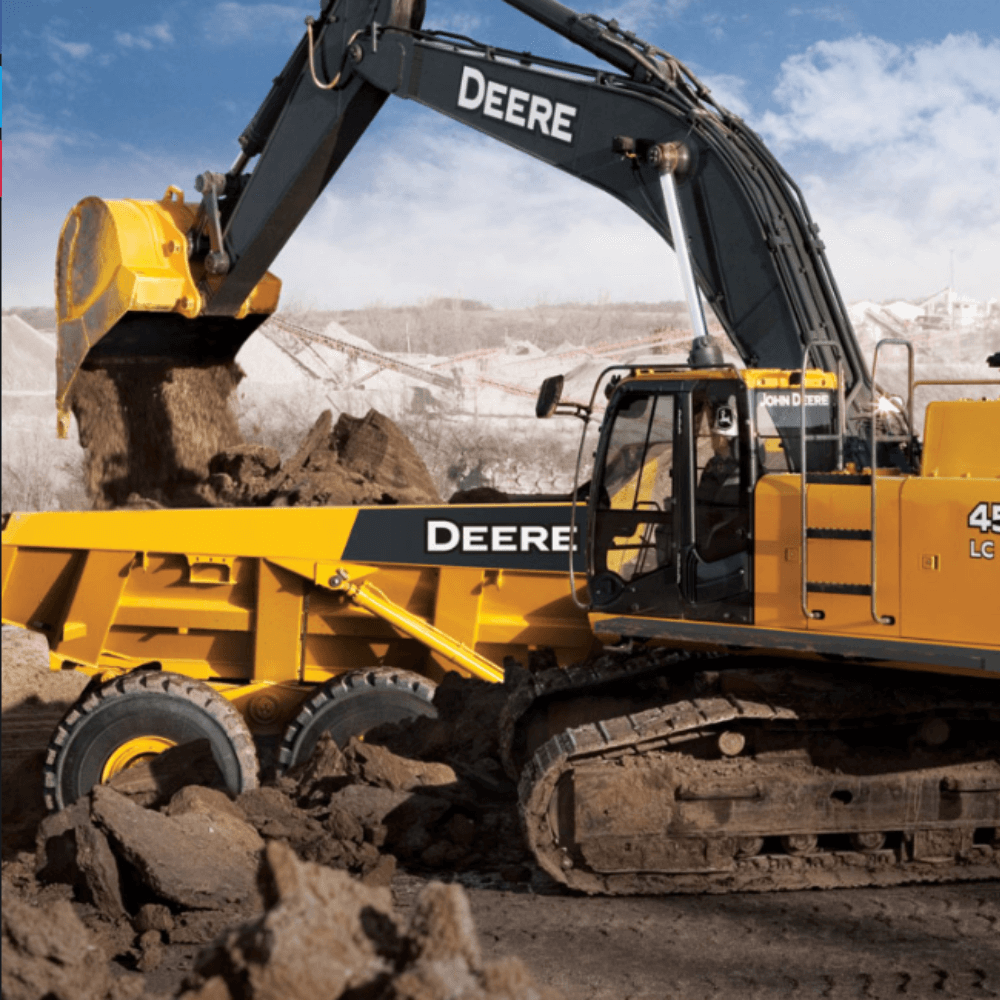
Heavy equipment is the backbone of many construction, mining, agriculture, and industrial operations. Excavators, loaders, bulldozers, cranes, forklifts, and other machines are built to handle demanding workloads, but even the toughest equipment can experience frequent failures. When a machine breaks down repeatedly, the costs can quickly add up through repair bills, replacement parts, project delays, and lost productivity.
The good news is that frequent equipment failures are often preventable. Most breakdowns result from poor maintenance, operator mistakes, unsuitable working conditions, or small problems that were ignored until they became major failures.
Here are 10 common causes of heavy equipment breakdowns and practical ways to prevent them.
1. Poor Preventive Maintenance
One of the biggest reasons heavy equipment fails is a lack of regular maintenance. Machines contain many moving parts, filters, fluids, belts, hoses, and electrical components that require routine inspection and servicing.
When maintenance is delayed, minor wear can turn into a serious mechanical problem.
How to prevent it: Create a preventive maintenance schedule based on the manufacturer’s recommendations. Track operating hours and perform inspections, oil changes, filter replacements, lubrication, and component checks at the correct intervals.
2. Low or Contaminated Fluids
Engine oil, hydraulic fluid, coolant, and transmission fluid are essential for keeping equipment operating safely. Low fluid levels can cause overheating and excessive friction, while contaminated fluids can damage internal components.
For example, contaminated hydraulic oil can affect pumps, valves, cylinders, and other hydraulic components.
How to prevent it: Check fluid levels regularly and inspect fluids for unusual color, smell, or contamination. Replace fluids and filters according to the recommended service intervals, and always use the correct fluid specifications.
3. Operator Error
Even well-maintained equipment can fail when operated incorrectly. Overloading, aggressive driving, improper attachments, sudden movements, and operating a machine outside its intended application can place excessive stress on components.
Inexperienced operators may also overlook warning signs or fail to complete daily inspections.
How to prevent it: Provide proper operator training and make sure employees understand the machine’s capacity, controls, attachments, safety procedures, and operating limits. Daily pre-start inspections should also be mandatory.
4. Excessive Wear and Tear
Heavy equipment works in demanding environments, so components naturally wear over time. Tracks, tires, brakes, bearings, cutting edges, buckets, bushings, pins, and other parts can eventually reach the end of their service life.
Continuing to operate a machine with severely worn components can cause additional damage.
How to prevent it: Inspect wear components regularly and replace them before they fail completely. Monitoring wear allows businesses to plan repairs instead of dealing with unexpected downtime.
5. Overloading the Equipment
Every machine has operating limits. Carrying loads beyond the manufacturer’s recommended capacity can put excessive stress on the engine, transmission, hydraulics, frame, tires, and other components.
Repeated overloading can shorten equipment life and increase the risk of sudden failure.
How to prevent it: Know the rated capacity of every machine and attachment. Train operators to recognize load limits and never use equipment for applications it was not designed to handle.
6. Neglected Hydraulic Systems
Hydraulic systems are critical to many types of heavy equipment. Excavators, loaders, cranes, and other machines rely on hydraulic pumps, cylinders, hoses, valves, and fluid to perform essential functions.
Leaks, damaged hoses, clogged filters, incorrect fluid levels, and contamination can cause poor performance or complete hydraulic failure.
How to prevent it: Inspect hydraulic hoses and connections for leaks, cracks, or damage. Check fluid levels and filters regularly and keep hydraulic components clean during servicing. Address even small leaks immediately.
7. Electrical Problems
Modern heavy equipment depends heavily on electrical and electronic systems. Weak batteries, damaged wiring, corroded terminals, faulty sensors, and alternator problems can cause starting issues, warning lights, loss of machine functions, or unexpected shutdowns.
How to prevent it: Inspect batteries, terminals, cables, wiring, fuses, and connectors as part of routine maintenance. Keep electrical connections clean and protected from moisture and corrosion. When warning lights appear, investigate them rather than simply resetting the system.
8. Operating in Harsh Conditions
Dust, mud, extreme heat, cold temperatures, water, chemicals, and rough terrain can accelerate equipment wear. Construction and mining equipment often operates in environments that expose components to contaminants and extreme stress.
Air filters can become clogged with dust, radiators can collect debris, and water can cause corrosion.
How to prevent it: Adapt maintenance practices to the working environment. Clean radiators and cooling systems, inspect air filters more frequently in dusty areas, protect equipment from unnecessary moisture, and follow the manufacturer’s recommendations for extreme temperatures.
9. Ignoring Warning Signs
A strange noise, vibration, fluid leak, unusual smell, slow hydraulic movement, overheating, or warning light may seem minor. However, these signs can indicate an developing problem.
Ignoring them can allow a relatively inexpensive repair to become a major component failure.
How to prevent it: Teach operators and technicians to report unusual equipment behavior immediately. Keep maintenance records and investigate recurring problems instead of repeatedly repairing the same symptom without identifying its root cause.
10. Poor Quality or Incorrect Replacement Parts
Using the wrong filters, fluids, belts, hoses, or other replacement components can reduce equipment reliability. Low-quality parts may fail prematurely and can sometimes cause damage to other systems.
How to prevent it: Use parts that meet the equipment manufacturer’s specifications. Keep accurate records of replacement parts and verify part numbers before installation. Quality components may cost more initially but can reduce repeated failures and downtime.
The Main Solution to Frequent Equipment Failures
If frequent equipment failures are the main problem, the solution is not simply repairing the machine every time it breaks. Businesses need to move from a reactive maintenance strategy to a preventive and condition-based approach.
Start by creating a complete equipment maintenance program. Record every breakdown, repair, replaced component, operating hour, and recurring fault. This information can reveal patterns.
For example, if the same hydraulic hose fails repeatedly, replacing the hose again may not solve the real problem. The root cause could be excessive pressure, incorrect routing, vibration, contamination, or improper installation.
A strong maintenance strategy should include:
- Daily operator inspections
- Scheduled preventive maintenance
- Regular fluid and filter analysis
- Proper operator training
- Inspection of high-wear components
- Prompt response to warning signs
- Use of manufacturer-approved parts and fluids
- Accurate maintenance records
- Root-cause analysis of repeated failures
- Regular review of equipment performance and downtime
Technology can make this process even more effective. Telematics and equipment monitoring systems can track operating hours, fuel consumption, fault codes, temperatures, and other performance information. This allows maintenance teams to identify potential problems earlier and schedule repairs before a breakdown stops the job.
Final Thoughts
Heavy equipment breakdowns can be expensive, but frequent failures do not have to be a normal part of doing business. Poor maintenance, operator error, contaminated fluids, excessive wear, overloading, hydraulic and electrical problems, harsh environments, ignored warning signs, and poor-quality replacement parts are among the most common causes.
The most effective solution is preventive maintenance combined with proper operation and early problem detection. Instead of waiting for equipment to fail, companies should inspect machines regularly, follow service schedules, monitor performance, train operators, and investigate the root cause of recurring problems.
When equipment is maintained proactively, businesses can reduce unexpected downtime, extend machine life, control repair costs, improve productivity, and keep projects moving. In heavy-equipment operations, preventing the next breakdown is usually far more valuable than repairing the last one.


