

Blog
7 Signs Your Heavy Equipment Hydraulic System Needs Immediate Attention

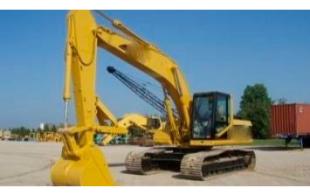
Hydraulic systems are the powerhouse behind many types of heavy equipment. Excavators, loaders, bulldozers, cranes, forklifts, telehandlers, and other machines depend on hydraulic pressure and fluid flow to lift, dig, push, steer, and perform demanding tasks.
When a hydraulic system starts developing problems, ignoring the early warning signs can lead to reduced productivity, expensive repairs, and unexpected equipment downtime. A small leak or unusual noise may eventually develop into pump failure, damaged cylinders, or contamination throughout the hydraulic system.
For businesses experiencing hydraulic performance problems, recognizing these warning signs early is one of the best ways to protect equipment and control maintenance costs.
Here are seven signs that your heavy equipment hydraulic system needs immediate attention.
1. Slow or Weak Hydraulic Movement
One of the clearest signs of a hydraulic problem is when the machine’s movements become noticeably slower or weaker.
An excavator boom may take longer to lift, a loader bucket may struggle to raise a normal load, or a hydraulic attachment may operate at reduced speed. If the machine previously performed normally and suddenly loses hydraulic power, something is likely affecting pressure, flow, or component performance.
Possible causes include:
- Low hydraulic fluid
- A clogged hydraulic filter
- Worn hydraulic pump
- Internal leakage
- Faulty pressure-relief valve
- Restricted hydraulic lines
What to do: Stop treating reduced performance as normal. Check fluid levels and filters first, then have the hydraulic system tested for pressure and flow by a qualified technician.
2. Unusual Hydraulic Noise
Hydraulic systems should operate relatively smoothly. Unusual whining, buzzing, knocking, or grinding noises can indicate that something is wrong.
A high-pitched whining sound may be associated with restricted fluid flow or cavitation. Cavitation occurs when a hydraulic pump does not receive enough fluid, causing vapor bubbles to form and collapse inside the system. This can damage pump components.
Air entering the hydraulic system can also create unusual sounds and erratic operation.
What to do: Investigate unusual noises immediately. Check the fluid level, inspect suction lines and connections for air leaks, and verify that filters and fluid are appropriate for the machine.
Continuing to operate a machine while a hydraulic pump is making abnormal noises can turn a relatively manageable issue into a major repair.
3. Hydraulic Fluid Leaks
Hydraulic fluid leaking from hoses, fittings, cylinders, pumps, or valves should never be ignored.
Even a small leak can gradually reduce fluid levels and introduce air or contaminants into the system. High-pressure hydraulic leaks can also be dangerous because escaping fluid can penetrate skin.
Leaks may appear as:
- Wet or oily hoses
- Fluid around fittings
- Puddles beneath equipment
- Damaged cylinder seals
- Fluid sprayed around hydraulic components
What to do: Shut down the equipment when appropriate and identify the source of the leak. Do not use your hands to search for a high-pressure leak. Have damaged hoses, seals, or fittings replaced with components that meet the machine’s specifications.
4. Hydraulic Fluid Is Overheating
Excessive hydraulic fluid temperature is another important warning sign.
When hydraulic oil becomes too hot, its ability to lubricate and protect components can be reduced. Prolonged overheating can accelerate wear and damage pumps, valves, seals, and other components.
Possible causes include:
- Dirty hydraulic coolers
- Low fluid levels
- Excessive internal leakage
- Overloaded equipment
- Incorrect hydraulic fluid
- Restricted airflow
- A malfunctioning cooling system
What to do: Check the hydraulic cooler and surrounding areas for dirt and debris. Verify fluid level and specification, and investigate the cause rather than simply allowing the machine to cool down and continuing operation.
Repeated overheating is a symptom that requires diagnosis.
5. Jerky or Unstable Machine Movements
Hydraulic equipment should generally provide controlled and smooth movements. If cylinders suddenly move in jerks, attachments hesitate, or controls feel inconsistent, the hydraulic system may have a problem.
Air contamination, insufficient fluid, contaminated oil, damaged valves, worn components, or inconsistent hydraulic pressure can contribute to unstable operation.
Jerky movement can also reduce productivity and make precision work more difficult.
What to do: Stop and inspect the system rather than continuing to operate the equipment at full workload. Check fluid condition and level and have the hydraulic pressure and components evaluated if the problem continues.
6. Hydraulic Fluid Looks Dirty or Contaminated
Hydraulic fluid is not simply a lubricant—it is a working component of the hydraulic system. Contaminated oil can cause significant damage to pumps, valves, cylinders, and other precision components.
Fluid contamination may involve:
- Dirt
- Metal particles
- Water
- Air
- Incorrect fluids
- Degraded oil
Dirty oil can restrict filters and damage small internal passages. Metal particles may indicate that a component is already wearing or failing.
What to do: Follow the equipment manufacturer’s recommendations for fluid and filter replacement. If contamination is suspected, consider professional fluid analysis. This can help identify wear metals, water contamination, and other problems before they cause extensive damage.
7. The Hydraulic System Keeps Losing Pressure
If a machine repeatedly loses hydraulic pressure, there may be a serious underlying issue.
The equipment may struggle to hold loads, attachments may drift, or hydraulic functions may stop working correctly after operating for a period of time.
Potential causes include worn pumps, damaged valves, internal cylinder leakage, faulty relief valves, or excessive leakage within the hydraulic circuit.
What to do: Have the system pressure tested using appropriate diagnostic equipment. Simply adding more hydraulic fluid or replacing a single visible component may not solve the underlying problem.
The Main Solution to Hydraulic Performance Problems
The best solution to hydraulic performance problems is to combine preventive maintenance, regular inspections, proper fluid management, and professional hydraulic diagnostics.
Many hydraulic failures become expensive because the initial warning signs are ignored. A machine that is slightly slower today may experience a major pump or valve failure later.
A practical hydraulic maintenance strategy should include:
Check Fluid Levels Regularly
Low fluid can cause inadequate lubrication, overheating, and pump problems. Check levels according to the manufacturer’s procedure and investigate unexplained fluid loss.
Keep Hydraulic Fluid Clean
Use clean containers and proper procedures when adding or replacing hydraulic fluid. Keep filler openings, caps, and surrounding areas clean to prevent contamination.
Replace Filters on Schedule
Hydraulic filters protect sensitive components from contaminants. Follow the manufacturer’s service recommendations and investigate unusually frequent filter blockage.
Inspect Hoses and Connections
Look for cracks, abrasion, swelling, loose fittings, and leaks. Replace damaged hydraulic hoses with correctly rated replacements.
Monitor Hydraulic Temperature
Repeated temperature increases should be investigated. Don’t assume overheating is simply caused by hot weather or heavy workload.
Record Performance Changes
Maintenance teams should document changes in hydraulic speed, pressure, noise, temperature, and fluid condition. Comparing current performance with previous records can help identify gradual deterioration.
Perform Pressure and Flow Testing
When hydraulic performance declines, professional pressure and flow testing can help determine whether the problem is related to the pump, valves, cylinders, restrictions, or other components.
How to Prevent Major Hydraulic Failures
Prevention starts with treating early warning signs seriously. Operators should conduct daily inspections before using equipment and report unusual sounds, leaks, temperatures, and performance changes immediately.
Maintenance teams should also follow the manufacturer’s recommended service intervals and use the correct hydraulic fluid, filters, hoses, and replacement components.
Most importantly, don’t repeatedly fix the symptom without identifying the root cause. If a hydraulic hose keeps failing, for example, there may be excessive vibration, incorrect routing, pressure problems, or another issue causing the repeated failure.
Final Thoughts
Hydraulic systems are essential to heavy equipment performance, and even a small hydraulic problem can quickly become a major source of downtime.
Slow movements, unusual noises, fluid leaks, overheating, jerky operation, contaminated fluid, and repeated pressure loss are all warning signs that deserve attention.
For businesses facing hydraulic performance problems, the solution is proactive maintenance and early diagnosis. Regular inspections, clean hydraulic fluid, timely filter changes, proper component replacement, and pressure and flow testing can help identify problems before they become expensive failures.
A hydraulic system that receives consistent attention will generally provide better performance, greater reliability, and a longer service life. When warning signs appear, acting early is often the difference between a manageable maintenance job and a costly equipment breakdown.


