

Blog
Why Is My Excavator Losing Hydraulic Power? Common Causes and Solutions

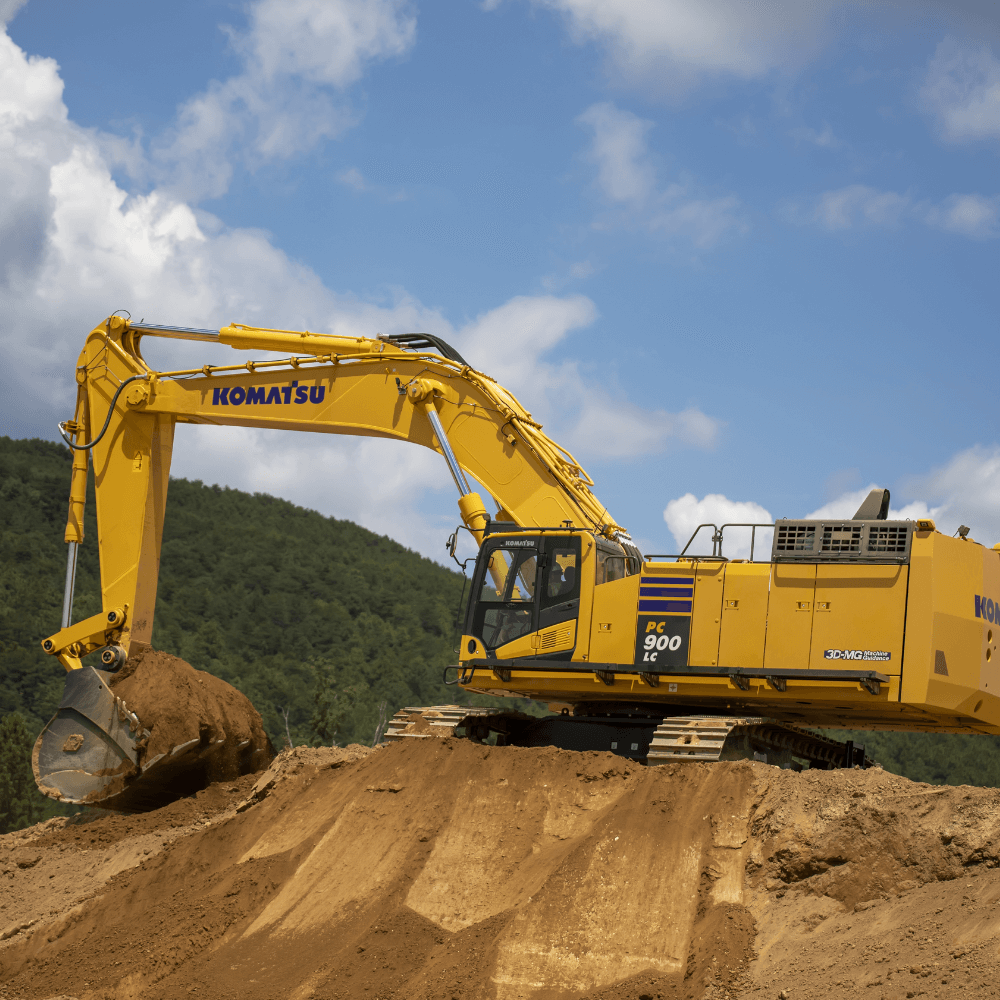
An excavator depends on its hydraulic system to perform almost every major task. Digging, lifting, swinging, moving attachments, and operating the boom, arm, and bucket all require hydraulic power. When an excavator starts losing hydraulic power, productivity can drop quickly, and a small problem can develop into an expensive repair if it is ignored.
Excavator power loss can appear in several ways. The machine may move more slowly than usual, struggle to lift normal loads, lose digging force, or perform well when cold but become weak after operating for some time. In some cases, only one function is affected, while in others, the entire hydraulic system becomes weak.
Understanding the common causes can help operators and maintenance teams identify problems early and prevent unnecessary downtime.
1. Low Hydraulic Fluid Level
One of the simplest causes of hydraulic power loss is insufficient hydraulic fluid. Hydraulic systems require the correct amount of fluid to generate consistent pressure and flow.
A low fluid level can cause the hydraulic pump to receive an inadequate supply of oil. This may result in slow movements, unusual pump noise, overheating, and inconsistent hydraulic performance.
Low fluid can also indicate a leak somewhere in the system.
Solution: Check the hydraulic fluid level according to the manufacturer’s recommended procedure. If the level is low, identify why before simply adding more fluid. Inspect hoses, fittings, cylinders, pumps, and connections for leaks and use only the specified hydraulic fluid.
2. Dirty or Blocked Hydraulic Filter
Hydraulic filters remove contaminants from the fluid and protect sensitive components such as pumps and valves. Over time, filters can become clogged with dirt, metal particles, and other contaminants.
A restricted filter can reduce the amount of fluid reaching certain components and contribute to poor hydraulic performance.
Solution: Replace hydraulic filters according to the manufacturer’s service schedule. If a filter becomes blocked unusually quickly, investigate the reason. Excessive contamination may indicate internal component wear or poor fluid-handling practices.
3. Worn Hydraulic Pump
The hydraulic pump is one of the most important components in an excavator’s hydraulic system. It converts mechanical energy into hydraulic flow.
As a pump wears, internal leakage can increase. The pump may then struggle to maintain the required flow and pressure, causing the excavator to become weak.
A worn pump may also produce unusual noises, generate excessive heat, or cause hydraulic functions to become progressively slower.
Solution: Have the pump’s pressure and flow tested using appropriate diagnostic equipment. If testing confirms excessive wear, the pump may need to be repaired, rebuilt, or replaced.
Replacing the pump without diagnosing the underlying issue is not always the best solution. Contaminated oil, cavitation, or incorrect maintenance may have contributed to the original failure.
4. Hydraulic Fluid Contamination
Clean hydraulic oil is essential for reliable excavator operation. Dirt, water, metal particles, and other contaminants can damage precision components inside pumps and valves.
Contaminated fluid may cause valves to stick, increase component wear, restrict passages, and reduce overall hydraulic efficiency.
Solution: Inspect the fluid condition and follow the manufacturer’s recommendations for fluid and filter replacement. When contamination is suspected, professional hydraulic oil analysis can help determine the type and severity of contamination.
Always use clean equipment when servicing the hydraulic system to prevent new contaminants from entering.
5. Faulty Pressure-Relief Valve
The pressure-relief valve protects the hydraulic system from excessive pressure. If it is incorrectly adjusted, damaged, stuck, or contaminated, it may open at the wrong pressure.
This can prevent the system from developing the pressure required for demanding tasks.
The result may be an excavator that appears to operate normally during light work but loses digging or lifting power under heavy loads.
Solution: Have hydraulic pressure checked against the manufacturer’s specifications. A qualified technician can determine whether the relief valve is operating correctly and whether adjustment, cleaning, repair, or replacement is necessary.
Do not randomly increase pressure settings to compensate for weak performance. Excessive pressure can damage pumps, hoses, cylinders, and other components.
6. Hydraulic Leaks and Internal Leakage
Visible leaks are easy to notice, but not all hydraulic leakage occurs outside the machine.
Internal leakage can occur inside pumps, valves, and cylinders. Fluid may bypass internal components instead of producing useful hydraulic force.
An excavator with internal leakage may experience weak performance without leaving a large puddle of oil underneath the machine.
Solution: Inspect the hydraulic system for external leaks and have suspected components tested for internal leakage. Cylinder drift, excessive heat, and poor performance under load can provide useful clues.
Damaged seals, hoses, fittings, valves, or other components should be repaired or replaced using properly specified parts.
7. Air in the Hydraulic System
Air inside a hydraulic system can cause erratic movement, reduced performance, noise, and vibration.
Air may enter through low fluid levels, damaged suction lines, loose connections, or improper maintenance procedures.
Because hydraulic systems are designed to transfer power through relatively incompressible fluid, trapped air can interfere with smooth operation.
Solution: Check fluid levels and inspect suction lines and connections for potential air entry. Follow the equipment manufacturer’s recommended procedures for removing air from the system.
If air continues to enter the hydraulic circuit, the source of the problem must be identified rather than repeatedly bleeding the system.
8. Hydraulic Oil Overheating
An excavator that loses hydraulic power after working for an extended period may have a heat-related problem.
Excessive hydraulic temperature can reduce oil viscosity and increase internal leakage. It can also accelerate wear and damage seals and other components.
Possible causes include a dirty hydraulic cooler, excessive internal leakage, low fluid levels, overloaded operation, or a problem within the cooling system.
Solution: Check the hydraulic cooler for dirt and debris and verify fluid level and specification. If overheating continues, have the system inspected for internal leakage, pressure problems, or other faults.
9. Incorrect or Worn Components
Replacement parts that do not meet the excavator manufacturer’s specifications can create hydraulic performance problems.
Incorrect filters, hoses, seals, valves, pumps, or other components may physically fit while still performing incorrectly.
Solution: Verify the excavator model, serial number, original part number, and technical specifications before purchasing replacement components. Use reputable suppliers and ensure critical hydraulic components are correctly matched to the machine.
The Main Solution to Excavator Power Loss
The best solution to excavator power loss is not to replace parts randomly. Instead, use a systematic diagnostic process.
Start by checking the simplest potential causes:
Hydraulic fluid → Filter → Leaks → Fluid condition → Temperature → Pressure → Flow → Pump and valves
First, verify the hydraulic fluid level and condition. Then inspect filters, hoses, fittings, and visible leaks. If these checks do not reveal the problem, perform hydraulic pressure and flow tests.
Comparing measured pressure and flow with the excavator manufacturer’s specifications can help determine whether the problem originates with the pump, relief valve, control valves, restrictions, or another component.
This approach prevents unnecessary parts replacement and helps maintenance teams identify the actual cause of the power loss.
How to Prevent Future Hydraulic Power Loss
Prevention is usually less expensive than repairing a failed hydraulic system. Operators should perform daily inspections and report changes in machine performance immediately.
Maintenance teams should:
- Check hydraulic fluid levels regularly.
- Replace filters at recommended intervals.
- Keep hydraulic fluid clean.
- Inspect hoses and fittings for damage.
- Monitor hydraulic temperature.
- Look for leaks.
- Use manufacturer-approved fluids and filters.
- Record recurring hydraulic problems.
- Perform pressure and flow testing when performance changes.
- Replace worn components before they cause secondary damage.
Operator behavior also matters. Excessive loading, improper attachment use, and operating the excavator beyond its intended capacity can increase hydraulic stress and accelerate component wear.
Final Thoughts
When an excavator loses hydraulic power, the problem should never be dismissed as normal wear or reduced machine performance. Weak digging force, slow hydraulic movements, overheating, unusual noises, and inconsistent operation can all indicate an underlying hydraulic issue.
Common causes include low fluid, blocked filters, contaminated oil, worn pumps, faulty relief valves, internal leakage, air in the system, overheating, and incorrectly matched components.
For businesses dealing with excavator power loss, the most effective solution is systematic diagnosis combined with preventive maintenance. Check the basics first, then use professional pressure and flow testing to identify deeper hydraulic problems.
By responding to early warning signs and maintaining the hydraulic system correctly, equipment owners can reduce unexpected downtime, extend component life, control repair costs, and keep excavators operating at the performance level they were designed to deliver.


