

Blog
How to Identify the Correct Caterpillar Part Number Before Ordering a Replacement

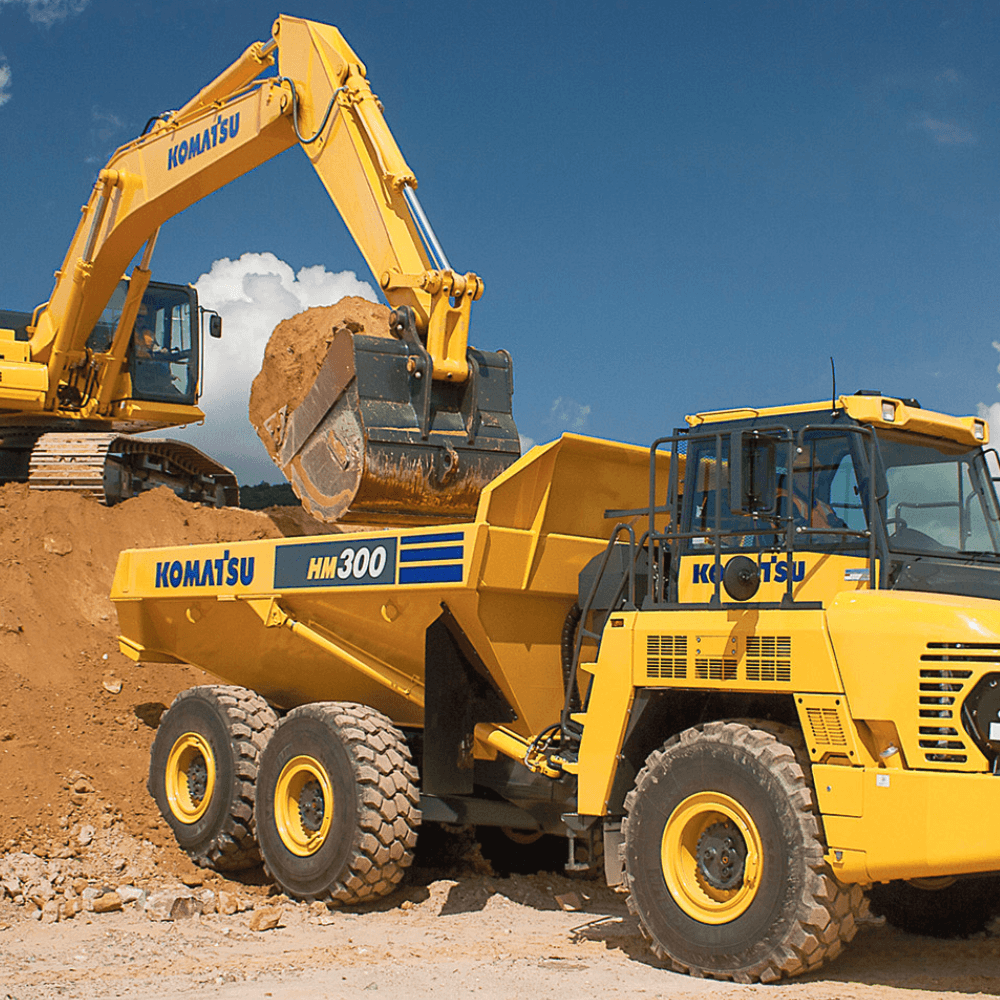
Ordering the wrong spare part for heavy equipment can cause unnecessary delays, extra shipping costs, installation problems, and expensive downtime. This is especially important when maintaining Caterpillar equipment because many machines have multiple configurations, model variations, and component updates.
A part that looks correct may not actually be compatible with your specific machine. The safest approach is to identify the exact Caterpillar part number before placing an order.
For businesses dealing with wrong CAT part orders, a reliable identification process can significantly reduce purchasing mistakes. By checking the machine’s model, serial number, existing component, parts documentation, and supplier information, you can improve ordering accuracy and avoid unnecessary returns.
1. Start With the Exact Caterpillar Machine Model
The first step is to identify the exact Caterpillar machine you are working with.
Simply saying that you need a part for a “Caterpillar excavator” is not enough. Caterpillar produces many excavator models, and different models can use different components.
Record information such as:
- Machine model
- Serial number
- Product identification number (PIN), where applicable
- Engine model
- Machine arrangement or configuration
- Production year, if relevant
This information gives a parts supplier a much more accurate starting point.
2. Find the Machine Serial Number
The serial number is one of the most important pieces of information when identifying a CAT replacement part.
A machine’s model may remain the same while Caterpillar changes certain components during production. This means two machines with the same model name may not necessarily use identical parts.
The serial number can help determine which component configuration belongs to your machine.
Solution: Before ordering, locate the machine identification plate and record the complete serial or product identification information. Do not rely on memory or a shortened model description.
3. Check the Existing Part
If the original component is still installed, inspect it carefully.
Many CAT components have identifying information stamped, engraved, printed, or attached to the part. Look for:
- Part numbers
- Component identification markings
- Serial numbers
- Manufacturer labels
- Size information
- Other reference codes
Take a clear photograph of the markings for your records.
However, don’t assume every number printed on a component is the ordering part number. Some numbers identify the component, production batch, manufacturer, or manufacturing date.
Use the number as a starting point and verify it against official parts information.
4. Use the Caterpillar Parts Catalog
A CAT parts catalog or electronic parts information system can help identify the correct component for a particular machine.
Parts catalogs typically organize components according to machine systems and assemblies. This allows you to locate the relevant section and identify the part number associated with the component.
For example, instead of searching for “excavator seal,” you may be able to identify the exact hydraulic cylinder assembly and then determine which seal kit or individual seal belongs to it.
Using parts documentation reduces the risk of selecting a visually similar but incompatible component.
5. Check the Part Diagram and Position
Parts diagrams are especially useful when several components look similar.
An exploded diagram can show how parts fit together and assign reference numbers to individual components.
Before ordering, make sure you have identified the correct component position in the assembly.
This is particularly important for:
- Hydraulic systems
- Engine assemblies
- Transmission components
- Undercarriage parts
- Electrical systems
- Final drives
- Cooling systems
A diagram can prevent confusion between similar components installed in different locations.
6. Verify Part Number Changes
Part numbers can sometimes be superseded or replaced by newer numbers. A previous CAT part number may no longer be the current ordering number even though the newer component is intended to replace it.
This is where verification becomes important.
If you find an older number on an existing component, don’t automatically assume that the same number should be ordered. Check whether it has been superseded and whether the newer number is officially compatible.
Solution: Ask your supplier to confirm whether the identified part number is current and whether there is an approved replacement or superseding number.
7. Don’t Rely on Appearance Alone
One of the most common causes of wrong CAT part orders is selecting a component because it looks similar to the original.
Two filters, seals, hoses, sensors, or other components can have nearly identical shapes while having different specifications.
Differences can include:
- Dimensions
- Thread type
- Pressure rating
- Material
- Electrical characteristics
- Filtration specifications
- Mounting configuration
- Flow requirements
Always use part numbers and technical specifications rather than photographs alone.
8. Confirm the Exact Configuration
Attachments and machine configurations can affect part compatibility.
An excavator equipped with a particular attachment, hydraulic option, engine configuration, or other factory-installed feature may use different components from another machine of the same basic model.
When ordering, provide the supplier with as much configuration information as possible.
The more precise the machine identification, the lower the risk of receiving an incorrect component.
9. Work With a Knowledgeable Supplier
A reliable heavy equipment parts supplier should not simply accept a part number and process the order without verification when there is uncertainty.
Provide:
- CAT model
- Serial number
- Existing part number
- Component description
- Photos, when useful
- Machine configuration
- Required quantity
Ask the supplier to confirm that the part number matches the specific machine.
For expensive or critical components, requesting written compatibility confirmation before payment can provide an additional layer of protection.
10. Keep a Verified Parts Database
Once you successfully identify a part, record it.
Companies managing multiple CAT machines can benefit from maintaining a centralized parts database containing:
- Machine model
- Serial number
- Component
- Verified CAT part number
- Superseded part numbers
- Approved alternatives
- Supplier information
- Date of previous purchase
This turns every successful identification into useful information for future maintenance work.
Instead of searching from scratch every time a filter, seal, hose, or other component needs replacement, the maintenance team can refer to previously verified records.
The Main Solution to Wrong CAT Part Orders
The best solution to wrong CAT part orders is to introduce a part-number verification process before every purchase.
Use this simple sequence:
CAT machine → Model → Serial/PIN → Component → Original part number → Parts catalog → Supersession check → Supplier confirmation → Order
Do not allow employees to place orders using only descriptions such as “CAT 320 excavator hydraulic filter.”
Instead, require them to provide the exact machine identification and verified part information.
For expensive components, use a two-person verification system. One person identifies the required part, while another checks the model, serial number, part number, and supplier confirmation before the order is submitted.
This small procedure can prevent costly ordering mistakes.
What If You Already Ordered the Wrong CAT Part?
If you discover that a part is incorrect, don’t install it simply because it appears to fit.
Compare the received part number with your machine documentation and contact the supplier immediately. Keep the packaging, invoice, labels, and documentation because these may be required for an exchange or return.
If the part has already been installed, evaluate whether continued operation could cause damage. For critical engine, hydraulic, electrical, or safety-related components, have the machine checked by a qualified technician before returning it to service.
Most importantly, identify why the incorrect order occurred. Was the serial number missing? Was an outdated part number used? Did someone rely on a photograph? Fixing the purchasing process can prevent the same mistake from happening again.
A Simple Pre-Order Checklist
Before placing a CAT replacement-parts order, confirm:
- Exact machine model
- Complete serial number or PIN
- Existing component information
- Correct CAT part number
- Part-number supersession status
- Technical specifications
- Machine configuration
- Supplier compatibility confirmation
- Quantity required
- Return and warranty terms
Final Thoughts
Identifying the correct Caterpillar part number is much more than matching a machine model with a product description. Serial numbers, machine configurations, component markings, parts diagrams, technical specifications, and superseded part numbers can all affect which replacement component is correct.
For companies struggling with wrong CAT part orders, the most effective solution is a standardized verification process. Always identify the exact machine, verify the part number using reliable parts information, check for updates or supersessions, and confirm compatibility with the supplier before placing the order.
Taking a few extra minutes to verify a part can save days of downtime, unnecessary shipping costs, labor expenses, and installation problems. Accurate part identification is therefore an essential part of efficient Caterpillar equipment maintenance—and one of the easiest ways to make spare-parts purchasing more reliable.


