

Blog
How to Reduce Heavy Equipment Downtime With a Preventive Spare Parts Strategy

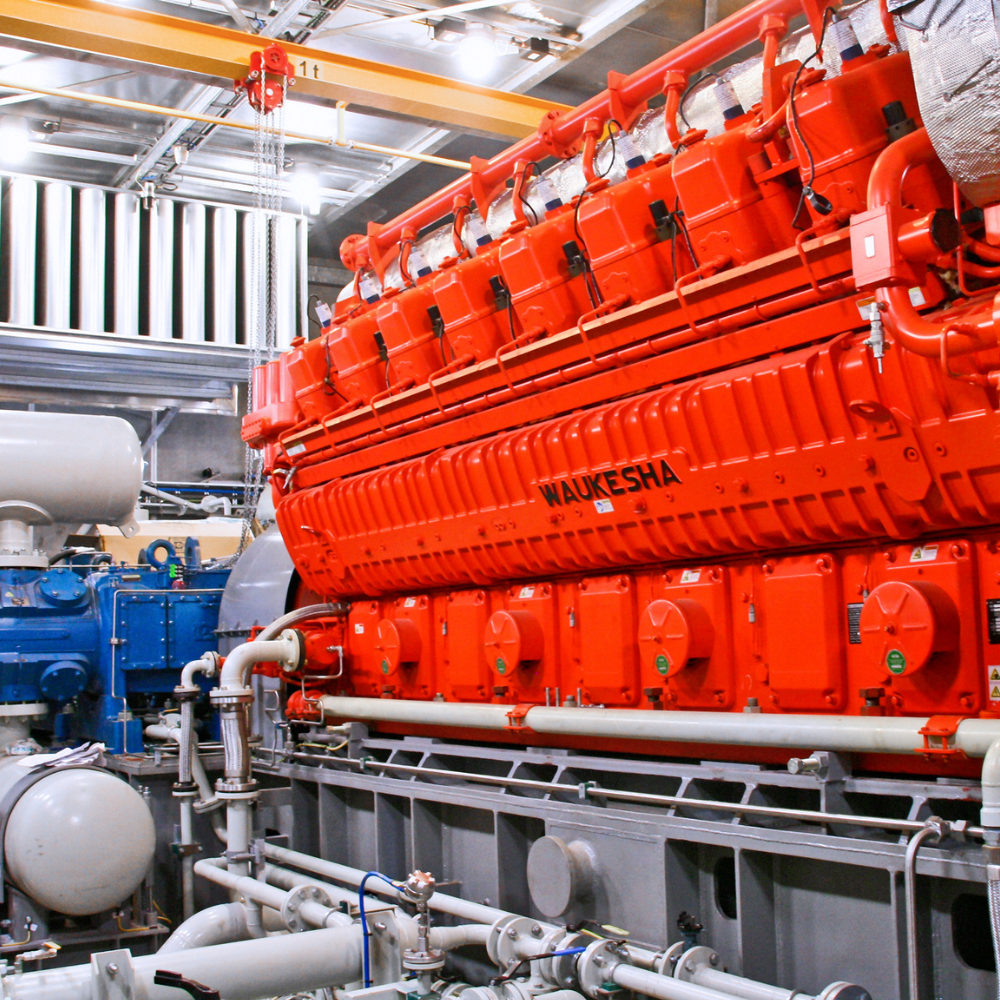
Heavy equipment is essential for construction, mining, agriculture, roadwork, oil and gas, and industrial operations. Excavators, bulldozers, wheel loaders, generators, compressors, and other machines are expected to operate reliably for long hours under demanding conditions. When one critical component fails unexpectedly, the result can be far more expensive than the price of the replacement part.
Unplanned downtime can stop production, delay projects, increase labor costs, and create transportation and emergency-repair expenses. In some situations, a machine may remain idle for days simply because the required spare part is not available.
The good news is that many downtime events can be reduced through a preventive spare parts strategy. Instead of waiting for a component to fail, businesses can identify commonly needed parts, monitor equipment condition, maintain appropriate inventory, and order components before they become urgent.
What Is a Preventive Spare Parts Strategy?
A preventive spare parts strategy is a planned approach to identifying, purchasing, storing, and replacing components before unexpected failures occur.
It combines:
- Preventive maintenance
- Equipment monitoring
- Parts forecasting
- Inventory management
- Accurate parts identification
- Supplier planning
- Maintenance records
The goal is not to stock every possible component. That would tie up unnecessary capital and create inventory-management problems.
Instead, the objective is to have the right part, in the right quantity, available at the right time.
1. Identify Critical Equipment
Not every machine has the same impact on your operation.
A backup machine may tolerate longer downtime than the only excavator working on a critical construction project. Similarly, a generator supplying essential power may be more critical than equipment used for occasional work.
Start by classifying machines according to their importance.
Consider:
- Production impact
- Replacement availability
- Repair cost
- Safety implications
- Operating environment
- Average downtime cost
- Availability of rental alternatives
Critical machines should receive greater attention when developing a spare parts strategy.
2. Identify Parts Most Likely to Fail
The next step is determining which components are most likely to require replacement.
Common examples include:
- Oil filters
- Fuel filters
- Air filters
- Belts
- Hoses
- Seals
- Gaskets
- Bearings
- Hydraulic filters
- Electrical components
- Sensors
- Pumps
- Starter components
- Wear parts
Maintenance history is extremely valuable here. If a particular component has been replaced several times over the past year, keeping an approved replacement available may reduce future downtime.
3. Separate Critical Parts From Routine Parts
Not every spare part needs the same inventory strategy.
Routine filters may be inexpensive and used frequently, so keeping several in stock can make sense.
A specialized hydraulic pump or electronic controller may cost significantly more and be needed less frequently. However, if the machine cannot operate without it and delivery takes several weeks, keeping one approved spare may be worthwhile.
Create categories such as:
High-criticality: Failure can immediately stop essential equipment.
Medium-criticality: Failure affects productivity but alternatives may exist.
Low-criticality: Failure causes limited disruption or the part is readily available.
This helps prioritize inventory spending.
4. Use Equipment Hours to Predict Maintenance
Heavy equipment maintenance is often based on operating hours.
An engine approaching a scheduled service interval may require oil, fuel, and air filters. Hydraulic systems may have their own maintenance schedules, while wear components may require inspection based on operating conditions.
Track machine hours and upcoming maintenance requirements.
Instead of ordering parts after a machine reaches its service interval, purchase the required components beforehand.
This simple change can prevent maintenance delays caused by missing parts.
5. Monitor Component Condition
Preventive spare parts planning becomes even more effective when combined with condition monitoring.
Watch for changes such as:
- Increasing engine temperature
- Hydraulic pressure loss
- Unusual vibration
- Reduced engine power
- Increased fuel consumption
- Oil leakage
- Excessive exhaust smoke
- Slow hydraulic operation
- Unusual mechanical noise
These changes can provide early warning that a component is deteriorating.
If a hydraulic pump begins showing abnormal pressure behavior, for example, the maintenance team may have time to inspect and order the appropriate replacement before the pump fails completely.
6. Keep Accurate Part Numbers
One of the biggest causes of repair delays is ordering the wrong component.
A machine may have several similar-looking filters, sensors, seals, valves, or electrical components. A part that appears compatible may have different dimensions, specifications, or connections.
For each machine, maintain a verified parts list containing:
- Equipment manufacturer
- Model
- Serial number
- Engine model
- Original part number
- Approved replacement number
- Supplier
- Quantity in stock
- Reorder level
This makes emergency and scheduled ordering much faster.
7. Establish Minimum Stock Levels
A preventive inventory should have clearly defined minimum and maximum quantities.
For frequently used parts, establish a reorder point. When inventory reaches that level, a new order should automatically be triggered.
For example, if a particular fuel filter is regularly used and supplier delivery takes two weeks, the reorder level should provide enough stock to cover expected consumption during that period plus an appropriate safety margin.
Inventory levels should be adjusted according to actual usage rather than arbitrary numbers.
8. Maintain Safety Stock for Critical Components
Some components deserve additional protection because their failure can create long downtime.
Safety stock can be particularly valuable for parts that:
- Have long delivery times
- Are difficult to source
- Are machine-specific
- Are frequently damaged
- Are essential to production
- Have limited supplier availability
However, safety stock should be reviewed regularly. Keeping obsolete parts in storage provides little value.
9. Build Relationships With Reliable Suppliers
Supplier reliability can make a major difference during equipment repairs.
A good supplier should be able to help with part identification, availability, specifications, substitutions, and delivery times.
For critical equipment, businesses should know in advance where replacement components can be obtained.
It is also useful to identify approved alternatives where appropriate. However, alternative parts should always be verified for compatibility before being placed into service.
10. Use a Maintenance and Inventory Tracking System
Managing spare parts manually becomes difficult as the equipment fleet grows.
A maintenance-management or inventory system can track:
- Machine operating hours
- Service schedules
- Parts consumption
- Current inventory
- Purchase orders
- Reorder levels
- Supplier lead times
- Component replacement history
This data can help identify which parts are actually being consumed and which are simply occupying warehouse space.
The Main Solution to Unplanned Downtime
The best solution to unplanned downtime is to move from reactive maintenance to a combination of preventive maintenance, condition monitoring, and strategic spare parts inventory.
A practical process is:
Identify critical machines → Identify critical components → Monitor equipment → Forecast maintenance → Stock essential parts → Verify part numbers → Set reorder levels → Track usage → Review inventory
This approach reduces the chance that a machine will remain idle simply because a commonly needed component is unavailable.
Avoid Over-Stocking
Preventing downtime does not mean filling the warehouse with every possible spare.
Overstocking creates its own problems:
- High inventory costs
- Storage requirements
- Obsolete components
- Damaged parts
- Cash tied up in unused inventory
The objective is optimized inventory, not maximum inventory.
Use historical failure rates, maintenance schedules, equipment criticality, supplier lead times, and component costs to decide what should be stocked.
Create Equipment-Specific Spare Parts Kits
For frequently serviced machines, consider creating maintenance kits.
A scheduled engine service kit, for example, might include the required oil filter, fuel filter, air filter, seals, and other approved service components.
Having the complete kit available before maintenance begins reduces the chance of discovering that one small component is missing.
For emergency repairs, critical-component kits can also be prepared where practical.
Review Your Strategy Regularly
A spare parts strategy should evolve with the equipment.
Review inventory at regular intervals and ask:
- Which parts are used most frequently?
- Which components caused previous downtime?
- Which parts have long delivery times?
- Which stocked items have not been used?
- Have any machine models changed?
- Are current part numbers still valid?
- Are supplier lead times changing?
This review helps keep the inventory aligned with actual operational requirements.
Final Thoughts
Heavy equipment downtime can become extremely expensive when machines are critical to production. Although component failures cannot always be prevented, the delays caused by missing replacement parts can often be reduced significantly.
For companies facing unplanned downtime, a preventive spare parts strategy provides a practical solution. Identify critical machines, determine which components are most important, monitor equipment condition, track operating hours, maintain accurate part numbers, establish reorder levels, and build relationships with dependable suppliers.
The key is to prepare before failure occurs.
A well-planned spare parts inventory does more than fill shelves. It creates a structured system that connects maintenance schedules, equipment condition, purchasing, and inventory management.
When the right replacement component is already available, technicians can begin repairs sooner, equipment can return to operation faster, and the financial impact of unexpected failures can be reduced.
Ultimately, the goal is not to eliminate every equipment failure. It is to ensure that when a component does fail, your business is prepared to respond quickly and efficiently. A preventive spare parts strategy turns spare inventory from an emergency expense into an important tool for improving equipment reliability, controlling maintenance costs, and reducing costly downtime.


