

Blog
The Complete Heavy Equipment Spare Parts Checklist for Preventive Maintenance

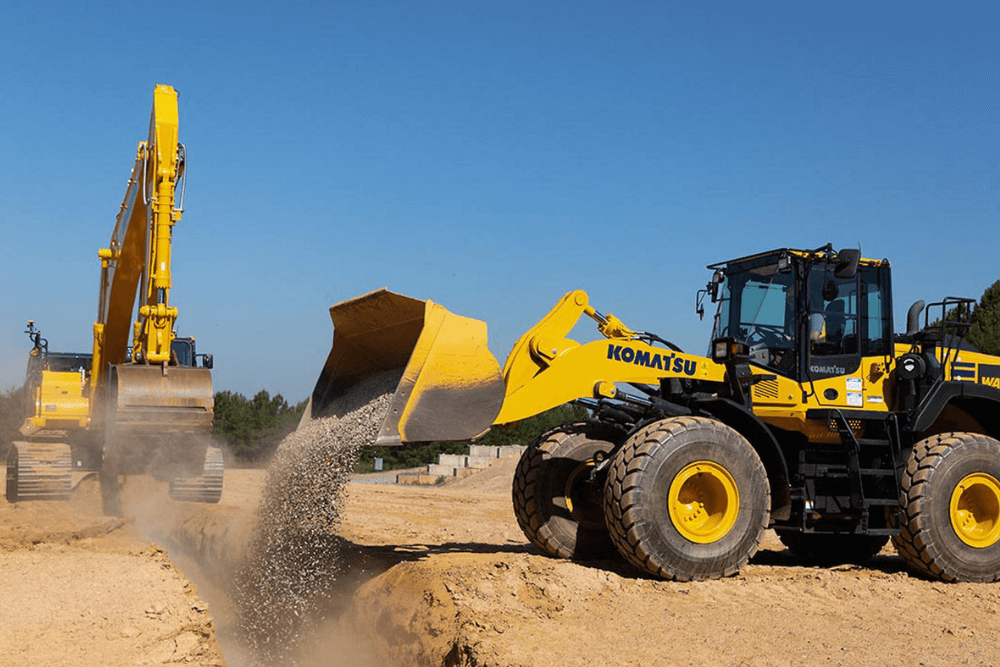
Heavy equipment operates under demanding conditions. Excavators, wheel loaders, bulldozers, generators, compressors, tractors, and other machines work for long hours in environments filled with dust, dirt, vibration, heat, moisture, and heavy loads. Even with regular maintenance, components eventually wear and require replacement.
For equipment owners and maintenance teams, one of the biggest challenges is knowing which parts to keep available. Keeping too few spare parts can cause unnecessary downtime, while stocking everything can tie up money and create inventory problems.
The solution is to create a practical spare parts checklist based on equipment criticality, maintenance schedules, failure history, operating conditions, and supplier lead times.
A well-planned inventory ensures that common and critical components are available when technicians need them.
Why a Spare Parts Checklist Matters
Preventive maintenance is designed to identify and address problems before they cause major equipment failures. However, maintenance can still be delayed when the required replacement component is not available.
For example, a technician may identify a worn belt during a scheduled inspection, but if the correct replacement belt is unavailable, the machine may continue operating until the component fails.
A spare parts checklist helps prevent this situation.
The objective is simple:
Have the right parts available before they are urgently needed.
1. Engine Filters
Filters should be among the first components considered for preventive-maintenance inventory.
Common engine filters include:
- Oil filters
- Fuel filters
- Air filters
- Hydraulic filters
- Water separators
These components are replaced regularly and are relatively easy to forecast based on operating hours.
Keep available: Enough filters for upcoming scheduled maintenance plus an appropriate safety stock for critical machines.
Always verify the exact filter part number before purchasing.
2. Belts and Tensioning Components
Belts can deteriorate because of heat, friction, contamination, age, and operating conditions.
A failed belt can stop important engine or accessory systems.
Inspect belts regularly for cracking, fraying, glazing, looseness, or other damage.
Keep available: Commonly used belts for critical machines, especially when suppliers have long lead times.
Where applicable, also consider tensioners, pulleys, and related hardware.
3. Hoses and Hose-Related Components
Hydraulic, coolant, fuel, and air hoses can develop leaks, cracks, abrasion, or swelling.
A failed hydraulic hose can stop a machine immediately and may create a significant safety hazard.
Keep available: Frequently used machine-specific hoses, approved replacement assemblies, fittings, clamps, and seals where practical.
Because hoses differ in dimensions, pressure ratings, and connection types, identification must be accurate.
4. Seals, O-Rings, and Gaskets
Small sealing components are inexpensive compared with major equipment parts, but they can cause significant downtime when unavailable.
Leaks around hydraulic systems, engines, pumps, cylinders, and other assemblies may require specific seals or gaskets.
Keep available: Common seal kits, O-rings, gaskets, and manufacturer-approved sealing components used during routine maintenance.
Store rubber components appropriately to reduce deterioration during storage.
5. Hydraulic System Components
Hydraulic systems are essential to excavators, loaders, bulldozers, cranes, and many other machines.
Potential spare components include:
- Hydraulic filters
- Seals
- Hoses
- Hydraulic fittings
- Solenoid valves
- Pressure sensors
- Pump components
- Cylinder repair kits
Not every hydraulic component needs to be stocked in large quantities.
Keep available: Frequently replaced items and critical components with long delivery times.
For expensive hydraulic pumps and motors, consider equipment criticality and supplier lead time before deciding whether to hold complete assemblies.
6. Electrical and Starting Components
Electrical problems can prevent equipment from starting even when the engine and mechanical systems are healthy.
Potential spare components include:
- Fuses
- Relays
- Switches
- Sensors
- Battery cables
- Starter components
- Alternator components
- Electrical connectors
For critical equipment, basic electrical consumables and frequently replaced components can be particularly useful.
Keep available: Correctly rated fuses, relays, common sensors, connectors, and approved starting-system components.
Avoid stocking electrical parts solely because they look similar. Voltage, resistance, connector type, and other specifications can differ.
7. Cooling-System Components
Overheating can cause severe engine damage, making cooling-system maintenance essential.
Common replacement components include:
- Coolant filters
- Hoses
- Thermostats
- Water-pump components
- Radiator caps
- Belts
- Temperature sensors
- Seals
Keep available: Common service components and any cooling-system parts with known long delivery times.
Monitor coolant levels and temperature trends so deteriorating components can be identified before failure.
8. Wear Parts
Some heavy equipment components are designed to wear as part of normal operation.
Examples include:
- Bucket teeth
- Cutting edges
- Blades
- Ground-engaging tools
- Wear plates
- Bushings
- Pins
The exact list depends on the machine and application.
Keep available: Wear parts that are consumed regularly based on historical usage.
Track consumption to establish realistic inventory levels.
9. Engine Mechanical Components
Major engine components generally require more careful inventory planning.
Potential components include:
- Gaskets
- Seals
- Bearings
- Piston rings
- Belts
- Thermostats
- Water-pump components
- Injectors
- Sensors
Complete engines, cylinder heads, turbochargers, and fuel pumps may be too expensive to keep routinely in stock unless the equipment is exceptionally critical.
Keep available: Smaller, high-use components and critical parts with long lead times. Evaluate major assemblies individually.
10. Fuel-System Components
Diesel equipment depends on clean and reliable fuel delivery.
Important components can include:
- Fuel filters
- Water separators
- Fuel hoses
- Fuel-system seals
- Fuel pumps
- Injectors
Fuel filters should generally receive higher inventory priority because they are routine maintenance components.
Keep available: Filters and frequently required seals and hoses. Consider larger fuel-system components based on machine criticality and failure history.
The Main Solution to Knowing Which Parts to Keep Available
The best solution to knowing which parts to keep available is to classify components according to usage, criticality, failure history, cost, and supplier lead time.
Use three basic categories:
Category A: Critical Parts
These can stop essential equipment immediately and may take a long time to obtain.
Examples can include specialized controllers, hydraulic pumps, critical sensors, or machine-specific components.
Action: Maintain appropriate safety stock or establish a reliable emergency supply arrangement.
Category B: Regular Maintenance Parts
These are replaced frequently during scheduled service.
Examples include oil, fuel, air, and hydraulic filters.
Action: Keep sufficient inventory based on upcoming maintenance requirements and average consumption.
Category C: Low-Criticality Parts
These are inexpensive or readily available and generally do not justify large inventory quantities.
Action: Order as required while maintaining a small quantity if appropriate.
Verify Part Numbers Before Stocking
Having a warehouse full of spare parts is not helpful if the parts are incorrect.
For every stocked component, record:
- Equipment manufacturer
- Machine model
- Serial number
- Engine model
- Original part number
- Approved replacement number
- Supplier
- Quantity
- Storage location
This is especially important when several machines use similar components.
A part that looks correct may have different dimensions, pressure ratings, filtration characteristics, electrical specifications, or mounting arrangements.
Use Maintenance History to Improve Inventory
Historical data is one of the best tools for deciding what to stock.
Review previous maintenance records and identify:
- Frequently replaced components
- Parts responsible for unexpected downtime
- Average replacement frequency
- Seasonal failures
- Long-lead-time components
- Parts that remain unused
If a particular hydraulic hose has failed four times in the past year, keeping an approved replacement available may make sense.
If an expensive component has never been used and is readily available from a supplier, holding large quantities may not be necessary.
Create Preventive Maintenance Kits
Maintenance kits can simplify scheduled servicing.
For each machine, create kits containing the parts needed for a specific service interval.
For example, an engine-service kit might include the correct oil filter, fuel filter, air filter, seals, and other manufacturer-approved components.
This prevents technicians from discovering halfway through maintenance that a small but necessary component is missing.
Store Parts Correctly
Correct storage is just as important as correct purchasing.
Filters, seals, belts, electrical components, and rubber products can deteriorate when exposed to excessive heat, moisture, sunlight, dust, or improper storage conditions.
Keep spare parts organized, labeled, protected, and easy to locate.
Use stock rotation so older components are used appropriately before newer inventory.
Review Inventory Regularly
Your spare parts checklist should not remain unchanged.
Review it periodically based on:
- Equipment additions or removals
- Changes in machine usage
- Failure trends
- Maintenance schedules
- Supplier lead times
- Parts consumption
- Inventory costs
A changing fleet requires a changing inventory strategy.
Final Thoughts
A complete heavy equipment spare parts checklist should focus on the components that are most likely to be needed and most capable of causing downtime when unavailable.
For businesses struggling with knowing which parts to keep available, the best approach is to combine preventive maintenance schedules with equipment criticality, operating hours, historical failures, component usage, and supplier lead times.
Start with frequently replaced filters, belts, hoses, seals, gaskets, electrical components, cooling-system parts, hydraulic components, and wear parts. Then identify specialized components that could cause extended downtime if they fail.
Most importantly, verify every part number before purchasing and maintain accurate equipment-specific records.
The goal is not to create the largest spare parts warehouse. The goal is to create a smart, reliable inventory that supports maintenance when it matters most.
When the correct replacement parts are available before failure occurs, technicians can complete scheduled maintenance faster, respond to unexpected problems more effectively, and reduce costly equipment downtime. A well-managed spare parts checklist ultimately turns preventive maintenance into a practical strategy for improving equipment reliability, controlling costs, and keeping heavy machinery productive.


