

Blog
Hydraulic Pump Failure: Warning Signs, Causes, and How to Prevent Costly Downtime

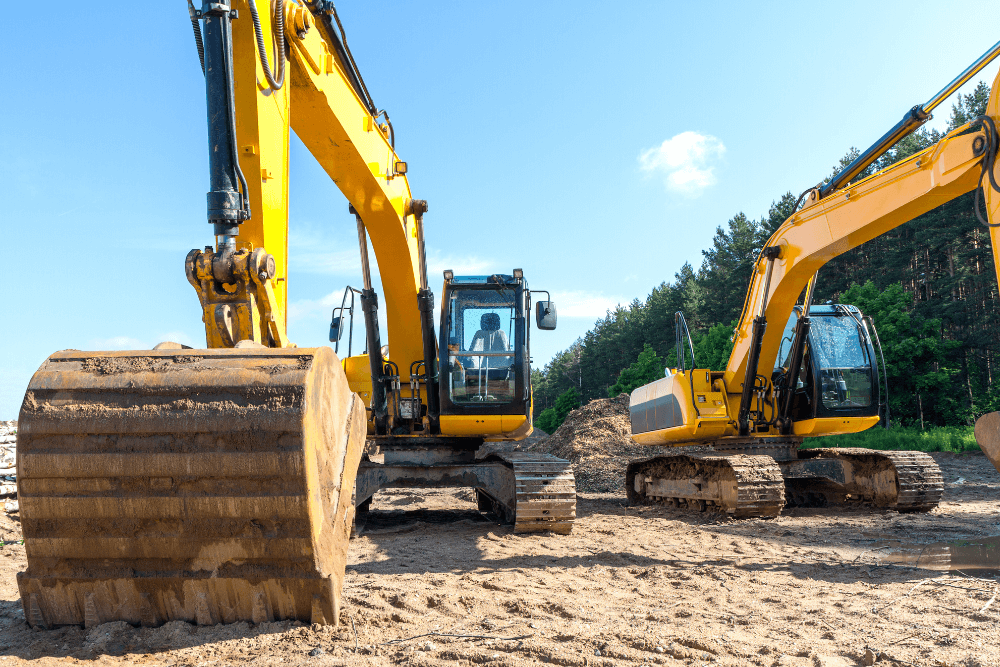
Hydraulic pumps are among the most important components in heavy equipment. Excavators, wheel loaders, bulldozers, cranes, agricultural machinery, and industrial equipment depend on hydraulic pumps to convert mechanical energy into hydraulic flow and pressure.
When a hydraulic pump begins to fail, the machine may lose lifting force, operate slowly, overheat, make unusual noises, or stop working completely. Because hydraulic systems often power critical machine functions, a pump failure can quickly become an expensive downtime event.
For businesses dealing with hydraulic pump failures, the best approach is to recognize early warning signs, identify the underlying cause, and perform preventive maintenance before a small problem becomes a complete pump failure.
What Does a Hydraulic Pump Do?
A hydraulic pump creates the flow required to move hydraulic fluid through the system. The pump does not simply “create pressure”; pressure develops when flow encounters resistance within the hydraulic circuit.
Depending on the equipment, hydraulic systems may use gear pumps, vane pumps, piston pumps, or other designs.
Regardless of pump type, reliable operation depends on clean hydraulic fluid, correct operating conditions, proper lubrication, appropriate temperature, and adequate maintenance.
When one of these conditions is compromised, pump wear can accelerate.
1. Slow Hydraulic Operation
One of the first signs of a developing pump problem can be slower-than-normal hydraulic movement.
An excavator arm may move slowly, a loader may take longer to raise its bucket, or a hydraulic attachment may lose operating speed.
However, slow operation does not automatically mean the pump has failed.
Possible causes include:
- Restricted filters
- Low hydraulic fluid
- Incorrect fluid viscosity
- Relief-valve problems
- Hydraulic leaks
- Worn pump components
- Engine-speed problems
Solution: Check fluid level, filters, leaks, engine speed, and system pressure before removing the pump.
2. Loss of Hydraulic Power
If equipment can no longer lift its normal load or hydraulic functions feel weak, the system may be experiencing insufficient pressure or flow.
A worn pump can produce reduced flow because internal clearances increase as components wear. This allows more hydraulic fluid to leak internally within the pump.
Solution: Measure system pressure and flow according to the manufacturer’s diagnostic procedure. Compare readings with the equipment’s specified operating range.
If testing confirms that the pump cannot produce the required performance, rebuilding or replacing the pump may be necessary.
3. Unusual Hydraulic Pump Noise
A healthy hydraulic system should operate without excessive whining, grinding, rattling, or knocking.
Unusual pump noise can be a warning sign of cavitation, aeration, low fluid level, restricted suction flow, contaminated fluid, damaged bearings, or internal pump wear.
Cavitation is particularly important because it can damage pump components rapidly.
Solution: Check hydraulic-fluid level, suction hoses, filters, connections, and fluid condition. Inspect for air entering the suction side of the system.
Do not assume that a noisy pump needs immediate replacement until the cause of the noise has been identified.
4. Excessive Hydraulic Fluid Temperature
High hydraulic-fluid temperature can indicate that the system is losing efficiency.
A worn pump may allow excessive internal leakage, converting energy into heat instead of useful hydraulic work.
Other possible causes include:
- Restricted filters
- Incorrect fluid
- Excessive load
- Relief-valve operation
- Cooling-system problems
- Hydraulic leakage
Solution: Monitor hydraulic temperature and investigate changes from normal operating conditions. Check the cooling system, filters, fluid level, and pressure settings.
Operating continuously at excessive temperature can accelerate wear throughout the hydraulic system.
5. Hydraulic Fluid Contamination
Contaminated hydraulic fluid is one of the major threats to hydraulic-component life.
Dirt, metal particles, water, and other contaminants can damage precision pump surfaces and valves.
Once a pump begins wearing, it can also generate particles that circulate through the system and damage other components.
Solution: Maintain appropriate filtration, keep hydraulic reservoirs clean, inspect filters regularly, and use the correct fluid-handling procedures during maintenance.
If significant contamination is discovered, don’t simply install a replacement pump without addressing the contamination source.
Otherwise, the replacement pump may suffer the same failure.
6. Hydraulic Leaks
External leaks around hoses, fittings, seals, or pump connections can reduce system fluid levels and introduce additional problems.
A leak near the pump suction side can be especially problematic because air may enter the system without producing an obvious external fluid leak.
Solution: Inspect hoses, fittings, seals, and connections. Repair leaks promptly and maintain the correct fluid level.
Never use your hands to search for high-pressure hydraulic leaks. Hydraulic fluid can penetrate skin and cause serious injury. Use appropriate inspection methods and follow safety procedures.
7. Excessive Pump Heat
A hydraulic pump that becomes unusually hot may be operating inefficiently or under abnormal conditions.
Possible causes include internal leakage, excessive pressure, inadequate cooling, incorrect fluid, or restricted flow.
Solution: Compare pump and hydraulic-fluid temperatures with normal operating conditions. Check pressure, flow, cooling, and fluid condition.
If internal pump wear is suspected, professional testing may be required.
Common Causes of Hydraulic Pump Failure
Understanding why pumps fail is just as important as recognizing symptoms.
Poor Maintenance
Neglected filters, incorrect fluid levels, and delayed servicing can accelerate wear.
Contamination
Dirt and metal particles can damage internal components.
Cavitation
Insufficient fluid supply or restricted suction flow can create damaging vapor bubbles.
Excessive Pressure
Operating above the system’s designed pressure can place excessive stress on the pump.
Incorrect Hydraulic Fluid
Using the wrong fluid viscosity or specification can affect lubrication and operating efficiency.
Overheating
Excessive temperature reduces fluid performance and accelerates component deterioration.
Misalignment
Mechanical alignment problems can increase loads on pump bearings and shafts.
The Main Solution to Hydraulic Pump Failures
The best solution to hydraulic pump failures is a combination of condition monitoring, fluid management, preventive maintenance, and root-cause diagnosis.
Use this basic process:
Recognize warning sign → Check fluid → Inspect filters → Check leaks → Test pressure and flow → Inspect pump → Identify root cause → Repair or replace → Verify system performance
This prevents unnecessary pump replacement.
For example, if a pump is noisy because of cavitation caused by a restricted suction filter, replacing the pump without fixing the restriction will likely result in another failure.
The objective should always be to repair the cause, not just replace the damaged component.
Preventive Maintenance Checklist
A hydraulic pump maintenance program should include:
- Checking hydraulic-fluid levels
- Inspecting fluid condition
- Replacing filters on schedule
- Monitoring operating temperature
- Checking system pressure
- Inspecting hoses and fittings
- Looking for leaks
- Monitoring unusual noise
- Checking hydraulic performance
- Inspecting pump condition
- Keeping maintenance records
Fluid analysis can also provide valuable information about contamination and component wear when used as part of an appropriate maintenance program.
Should You Repair or Replace the Pump?
When a hydraulic pump shows poor performance, the decision to repair, rebuild, or replace it depends on the extent of damage, pump type, availability of parts, repair cost, and equipment requirements.
A rebuild may be practical when the main components are serviceable and suitable replacement parts are available.
Replacement may make more sense when internal damage is extensive or when repair costs approach the cost of a reliable replacement unit.
Before ordering, confirm the pump’s exact model, displacement, rotation, mounting configuration, pressure rating, and other required specifications.
Never select a pump based solely on physical appearance.
Preventing Costly Downtime
The most effective way to prevent hydraulic pump downtime is to identify deterioration early.
Track hydraulic performance and establish normal readings for pressure, temperature, and operating speed. When readings begin to change, investigate before the pump reaches complete failure.
For critical equipment, keeping approved filters, seals, hoses, and selected pump-related components available can also reduce repair delays.
However, spare parts should always be matched to the exact machine and hydraulic-system configuration.
Final Thoughts
Hydraulic pump failure can quickly turn a minor maintenance issue into a major equipment downtime event. Slow hydraulic functions, loss of power, unusual noise, overheating, contamination, leaks, and changing pressure or flow are all warning signs that deserve attention.
For companies experiencing hydraulic pump failures, the most effective solution is not simply replacing pumps more frequently. It is establishing a preventive maintenance and diagnostic process that identifies problems early and addresses their root causes.
Keep hydraulic fluid clean, maintain proper filtration, monitor temperature and pressure, inspect for leaks, and investigate unusual pump behavior immediately.
Most importantly, never replace a hydraulic pump without determining why the original pump failed. Whether the cause is contamination, cavitation, overheating, excessive pressure, poor maintenance, or mechanical wear, correcting the underlying issue is essential.
With regular monitoring and proper maintenance, many hydraulic pump problems can be detected before complete failure. This reduces unexpected downtime, protects other hydraulic components, lowers repair costs, and helps heavy equipment remain productive for longer.


