

Blog
How to Store Heavy Equipment Spare Parts Properly to Prevent Damage and Corrosion

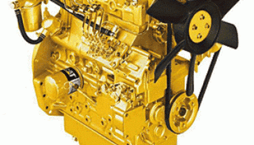
Heavy equipment spare parts are an important investment for construction companies, mining operations, agricultural businesses, industrial facilities, and equipment maintenance teams. Keeping critical components available can reduce repair delays and minimize costly downtime. However, simply purchasing spare parts and placing them in a warehouse does not guarantee that they will remain usable.
Improper storage can cause parts deterioration in storage, even when components are never installed on a machine. Moisture, dust, temperature changes, sunlight, chemicals, poor packaging, incorrect stacking, and long storage periods can damage filters, bearings, seals, hoses, electrical components, engine parts, hydraulic components, and other replacement parts.
The solution is to create a proper spare-parts storage system that protects components from environmental damage, maintains correct identification, and ensures older inventory is used before it becomes unsuitable.
Why Proper Spare Parts Storage Matters
Heavy equipment components can be expensive and difficult to replace quickly. A damaged spare part can be almost as problematic as not having the part at all.
For example, moisture can cause corrosion on metal components, while excessive heat can deteriorate rubber seals and hoses. Dust can contaminate precision components, and improper stacking can deform fragile parts.
If a component is needed during an emergency repair, discovering that the replacement part has already deteriorated can result in additional downtime.
Proper storage therefore protects both inventory value and equipment availability.
1. Keep the Storage Area Clean and Dry
The most basic storage requirement is a clean, dry environment.
Water and humidity are major causes of corrosion. Metal components such as gears, shafts, bearings, fasteners, pumps, valves, and engine components can develop surface rust when exposed to moisture.
Dust and dirt can also enter packaging and contaminate sensitive components.
Solution: Keep spare parts inside a clean, dry warehouse whenever possible. Repair roof leaks, prevent water from entering through doors, and regularly inspect the storage area for signs of moisture.
Avoid storing valuable components directly on concrete floors because moisture can transfer from the floor to packaging and metal surfaces.
2. Control Humidity and Temperature
Extreme temperature changes can contribute to condensation inside packaging.
When a cold component is exposed to warmer, humid air, moisture can form on its surface. Repeated temperature changes can therefore increase corrosion risk.
Rubber products may also deteriorate faster under excessive heat.
Solution: Maintain a stable storage environment appropriate for the types of components being stored. Use ventilation, humidity control, or climate-controlled storage when necessary for sensitive parts.
Electronic controllers, sensors, seals, and specialized components may require more controlled conditions than heavy steel parts.
3. Protect Metal Parts From Corrosion
Metal spare parts are particularly vulnerable to oxidation.
Bearings, shafts, gears, cylinder components, fasteners, and other precision-machined surfaces may require corrosion protection during storage.
Even small amounts of surface corrosion can affect the fit or performance of precision components.
Solution: Keep protective coatings or corrosion-prevention packaging intact until the part is required. Where appropriate, use manufacturer-approved corrosion inhibitors, protective oils, vapor corrosion-inhibiting materials, or sealed packaging.
Do not remove factory packaging unnecessarily.
4. Keep Original Packaging Intact
Original packaging often provides more protection than ordinary warehouse wrapping.
Manufacturers may use plastic bags, sealed containers, protective coatings, caps, plugs, or specialized packaging to protect components during transportation and storage.
Opening the package unnecessarily exposes the part to the environment.
Solution: Keep parts sealed in their original packaging until installation whenever practical.
If packaging becomes damaged, replace it with appropriate protective packaging and clearly identify the component.
5. Store Bearings Correctly
Bearings require special attention because their precision surfaces can be damaged by moisture, contamination, impact, and improper handling.
Dropping a bearing or placing heavy objects on its packaging can cause damage before installation.
Solution: Store bearings in their original packaging in a clean, dry environment. Avoid placing heavy components on bearing boxes.
Do not rotate or handle precision bearing surfaces unnecessarily.
Follow the storage recommendations supplied with the specific bearing.
6. Protect Hydraulic Components
Hydraulic pumps, motors, valves, cylinders, hoses, and fittings can deteriorate when exposed to moisture, dust, or improper storage conditions.
Open ports can allow contaminants to enter components.
Solution: Keep protective caps or plugs installed on hydraulic ports. Store hydraulic components in clean, dry areas and protect machined surfaces from corrosion.
Hydraulic hoses should be stored away from direct sunlight, excessive heat, chemicals, and ozone-producing equipment because rubber materials can deteriorate over time.
7. Store Rubber Parts Away From Heat and Sunlight
Hoses, O-rings, seals, gaskets, belts, and other elastomeric components can deteriorate even when they are not being used.
Direct sunlight, excessive heat, ozone, chemicals, and inappropriate storage conditions can contribute to cracking, hardening, deformation, or loss of flexibility.
Solution: Store rubber components in a cool, dry, dark environment. Keep them away from electric motors, welding equipment, and other potential ozone sources.
Avoid bending hoses excessively or placing heavy objects on them.
8. Protect Electrical and Electronic Components
Modern heavy equipment contains numerous electronic components, including sensors, controllers, relays, displays, switches, and wiring components.
Moisture and static electricity can damage sensitive electronics.
Solution: Keep electronic components in their protective packaging and store them in a clean, dry environment. Follow any manufacturer-specific requirements for temperature, humidity, static protection, and handling.
Do not place electronic components directly on dirty warehouse floors or near water sources.
9. Use Proper Shelving and Stacking
Improper stacking can cause physical damage.
Heavy parts placed on top of lighter components can crush packaging, deform hoses, damage seals, or bend fragile components.
Some components may also become difficult or dangerous to retrieve when stored incorrectly.
Solution: Use strong, properly rated shelving. Store heavy components on lower shelves where practical and keep fragile parts protected.
Avoid unstable stacks and clearly label storage locations.
10. Label Every Part Clearly
A spare parts inventory becomes difficult to manage when components are not properly identified.
Every item should ideally include:
- Part number
- Equipment model
- Manufacturer
- Description
- Quantity
- Purchase date
- Storage location
- Applicable shelf-life information
Clear labeling reduces the risk of installing the wrong component and makes inventory checks faster.
The Main Solution to Parts Deterioration in Storage
The best solution to parts deterioration in storage is a combination of environmental control, protective packaging, correct handling, inventory rotation, and regular inspection.
A practical storage process is:
Identify part → Package correctly → Control environment → Store safely → Label clearly → Inspect periodically → Rotate inventory → Replace damaged packaging
This approach protects parts throughout their storage life instead of discovering deterioration only when the component is needed.
Use FIFO for Spare Parts Inventory
FIFO means First In, First Out.
The basic principle is to use older suitable inventory before newer stock.
This is especially useful for filters, seals, rubber components, lubricants, batteries, and other products that may have storage limitations.
However, FIFO should not override manufacturer storage or shelf-life requirements. Some components may need to be inspected before installation regardless of their age.
Inspect Stored Parts Regularly
A warehouse inspection program can identify problems before they become expensive.
Check for:
- Rust
- Moisture
- Damaged packaging
- Cracked rubber
- Discoloration
- Leaks
- Corrosion
- Missing protective caps
- Contamination
- Expired shelf-life
High-value and critical components should receive particular attention.
If packaging is damaged, investigate whether the component itself has been affected before returning it to inventory.
Create Separate Storage Zones
Different parts require different storage conditions.
Consider creating designated areas for:
Metal components: Protected against humidity and corrosion.
Rubber products: Stored away from sunlight, heat, and ozone.
Electronic components: Protected against moisture, dust, and static.
Hydraulic components: Ports sealed and components protected from contamination.
Filters: Kept clean and dry in their original packaging.
This makes it easier for employees to apply appropriate storage practices.
Keep an Accurate Inventory
Good storage is not only about physical protection. Inventory accuracy is equally important.
Maintain records showing what parts are available, where they are stored, and which machines they fit.
Regular stock audits can identify obsolete, damaged, missing, or incorrectly labeled components.
This prevents technicians from wasting time searching for parts that are technically in inventory but cannot actually be located or used.
Train Warehouse and Maintenance Staff
Even the best storage system can fail if employees do not understand proper handling.
Staff should know how to:
- Lift heavy components safely
- Protect precision surfaces
- Handle electronic parts correctly
- Maintain packaging
- Rotate inventory
- Identify corrosion
- Report damaged components
- Follow manufacturer storage requirements
Training helps turn storage procedures into everyday practice.
Final Thoughts
Heavy equipment spare parts can deteriorate long before they are installed if they are exposed to moisture, heat, sunlight, contamination, corrosion, chemicals, or physical damage.
For companies dealing with parts deterioration in storage, the most effective solution is a structured storage program based on the specific requirements of each component.
Keep spare parts clean and dry, preserve original packaging, protect metal surfaces from corrosion, store rubber products away from heat and sunlight, seal hydraulic components against contamination, and provide suitable protection for electrical and electronic parts.
Regular inspections and inventory rotation are equally important. A part should not be considered ready for installation simply because it has been sitting on a shelf.
The goal of spare-parts storage is to ensure that every component remains identifiable, protected, and ready for use when needed. By controlling the storage environment, handling components correctly, and monitoring inventory condition, businesses can extend spare-part shelf life, reduce unnecessary replacement costs, and avoid discovering damaged components during an emergency repair.
Proper storage is therefore not just a warehouse responsibility. It is an essential part of preventive maintenance and an important strategy for reducing equipment downtime.


