

Blog
Caterpillar Spare Parts: Genuine vs Aftermarket, Which One Should You Choose

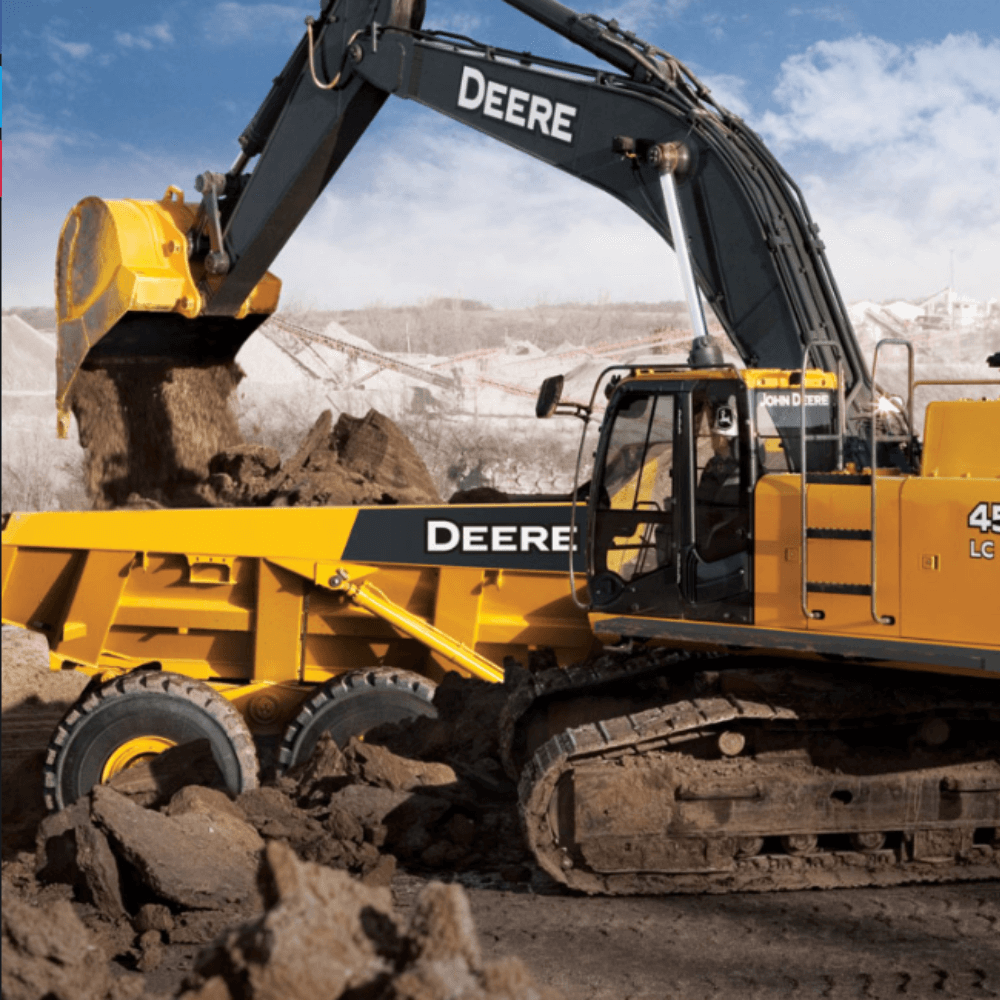
If you own or manage Caterpillar machinery, you already know that keeping it running smoothly depends on one thing above all else: using the right parts at the right time. But when it comes time to order Caterpillar spare parts, buyers are often faced with a confusing choice. Should you go with genuine OEM parts, or is a quality aftermarket alternative good enough?
This is one of the most common questions we hear from equipment owners, fleet managers, and procurement teams. The answer is not the same for every situation, and understanding the real differences between genuine and aftermarket parts can save you money, time, and a lot of frustration down the road.
In this guide, we will break down exactly what separates genuine Caterpillar spare parts from aftermarket options, when each choice makes sense, and how to avoid the common mistakes that lead to unexpected downtime.
Understanding the Two Options
What Are Genuine Caterpillar Spare Parts
Genuine parts are components manufactured to the exact specifications set by Caterpillar. They are designed, tested, and built to match the original equipment precisely, which means fit, performance, and durability are guaranteed to match what came with your machine from the factory.
Genuine parts typically come with the following advantages.
Exact fit and compatibility. Since these parts are made to the original design, there is no guesswork involved. They install the way they are supposed to, without modification or adjustment.
Consistent quality control. Every genuine part goes through strict testing before it reaches the market, which reduces the risk of early failure.
Longer service life. Because materials and manufacturing standards are tightly controlled, genuine parts tend to last longer under heavy use.
Warranty protection. Many machine warranties require genuine parts for certain repairs. Using an aftermarket part in the wrong situation could void coverage you are otherwise entitled to.
What Are Aftermarket Caterpillar Spare Parts
Aftermarket parts are manufactured by companies other than Caterpillar, but designed to fit and function in the same machines. Quality can vary significantly between aftermarket suppliers, so this is where buyers need to be careful.
Aftermarket parts offer their own set of benefits.
Lower upfront cost. In many cases, aftermarket parts are priced well below genuine components, which helps reduce maintenance budgets, especially for older machines.
Wider availability. For machines that are several years old, aftermarket suppliers sometimes carry parts that are harder to find through official channels.
Faster access in some regions. Depending on your location, a trusted aftermarket supplier may be able to deliver certain components faster than waiting on genuine stock.
The key word here is trusted. Not all aftermarket parts are created equal, and this is where many buyers run into trouble.
The Real Problem Buyers Face
Most equipment owners are not choosing between genuine and aftermarket out of preference alone. They are trying to solve a specific problem, and the wrong choice can make that problem worse.
Problem one: unexpected downtime. A machine that goes offline costs money every hour it sits idle. Choosing a poor quality aftermarket part to save a small amount upfront can lead to early failure, which means more downtime later, often at a worse time than the first repair.
Problem two: budget pressure. Not every business can afford genuine parts for every repair, especially for older equipment nearing the end of its service life. In these cases, a reliable aftermarket part can be the smarter financial decision.
Problem three: counterfeit risk. The spare parts market includes low quality imitation parts that are marketed as either genuine or premium aftermarket, when in reality they fail to meet either standard. This is often the most costly mistake a buyer can make, since a counterfeit part can damage surrounding components and lead to repairs far more expensive than the part itself.
Problem four: lack of clear guidance. Many suppliers simply sell parts without helping the buyer understand which option truly fits their situation. This leaves buyers guessing, which increases the risk of a poor decision.
How to Decide Which Option Is Right for You
There is no single correct answer for every machine or every budget. Instead, consider the following factors before making your decision.
Age and value of the machine. For newer or high value equipment, genuine parts are usually worth the investment since they protect performance and resale value. For older machines nearing retirement, a quality aftermarket part may offer better overall value.
Criticality of the part. Components tied to safety, engine performance, or hydraulic systems are usually worth the extra investment in genuine parts. Smaller components with lower risk, such as certain filters or seals, may be well suited to aftermarket alternatives.
Warranty status. Always check your warranty terms first. If a warranty is still active, using genuine parts may be required to keep it valid.
Supplier reputation. Whether you choose genuine or aftermarket, the supplier matters just as much as the part itself. A supplier with a strong track record, transparent sourcing, and proper testing standards will steer you away from counterfeit risk regardless of which option you pick.
Urgency of the repair. If your machine is down and you need a part immediately, availability may become the deciding factor. A trusted supplier who stocks both genuine and premium aftermarket options gives you flexibility without sacrificing quality.
Why Working With the Right Supplier Matters More Than the Label
At the end of the day, the genuine versus aftermarket debate often comes down to trust. A reputable supplier will offer you both options honestly, explain the tradeoffs clearly, and never pass off a low quality imitation as something it is not.
Look for a supplier who can answer these questions with confidence.
Can you verify the source and quality standard of every part you sell.
Do you offer both genuine and aftermarket options depending on the customer’s needs.
Can you explain compatibility and expected lifespan before I purchase.
Do you provide fast delivery and proper packaging to prevent damage during shipping.
A supplier who can answer yes to all of these is doing more than selling parts. They are helping you make the right decision for your specific machine, budget, and timeline.
Final Thoughts
Choosing between genuine and aftermarket Caterpillar spare parts does not have to be complicated once you understand what each option offers and what problem you are actually trying to solve. Genuine parts provide guaranteed fit, tested durability, and warranty protection, making them the safer choice for critical components and newer machines. Aftermarket parts offer real savings and wider availability, which can be the right call for older equipment or less critical repairs, as long as they come from a trusted source.
The most important decision is not genuine versus aftermarket. It is choosing a supplier who understands your equipment, offers transparent options, and stands behind the quality of every part they sell. With the right partner, you can protect your machine, control your budget, and avoid the downtime that comes from guessing.
If your business depends on Caterpillar machinery, working with a supplier who offers both genuine and certified aftermarket spare parts, backed by real technical support and fast delivery, gives you the confidence to make the right call every time.


