

Blog

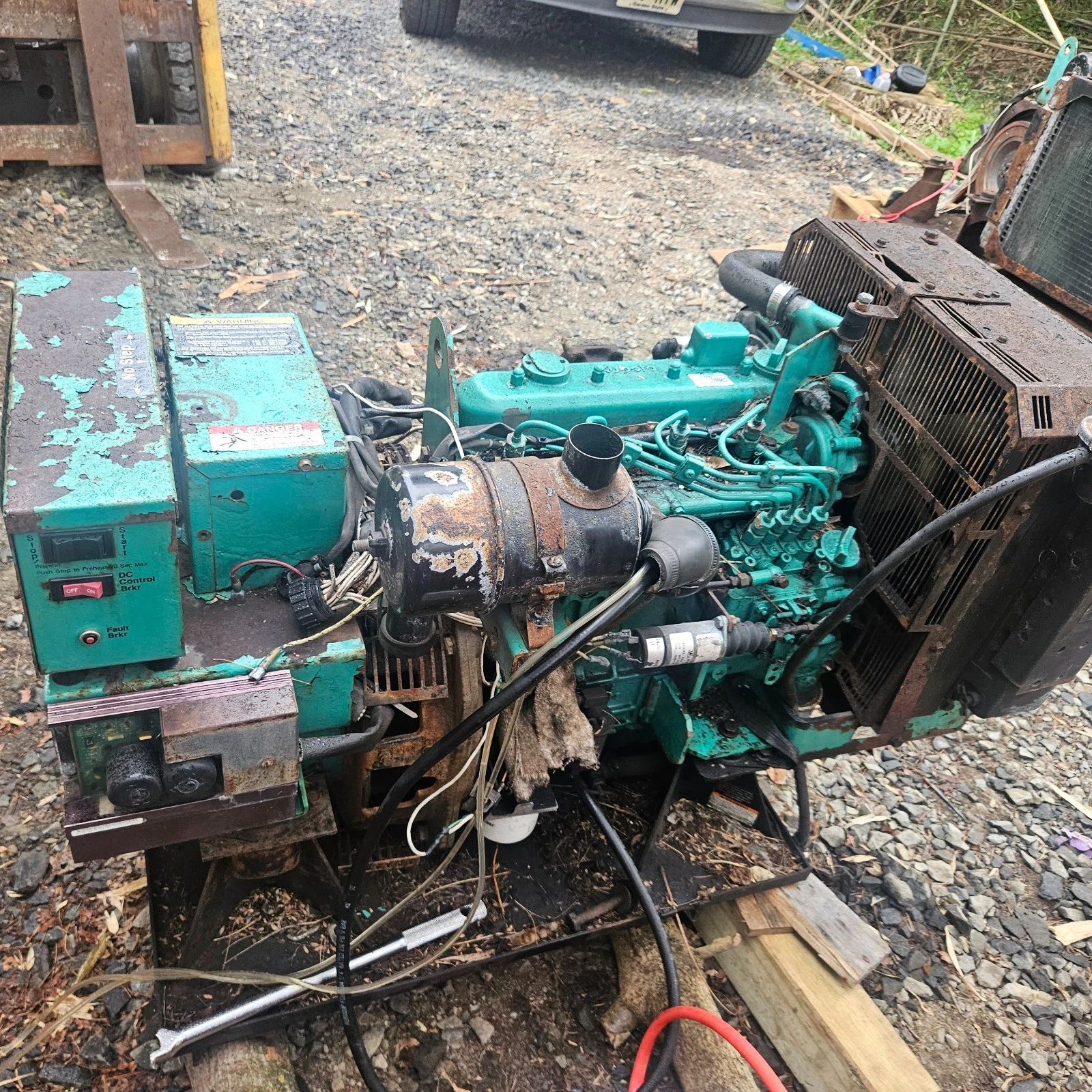
How to Choose a Reliable Generator Spare Parts Supplier
Generators play a critical role in keeping operations running when the main power source fails or is unavailable. Whether you rely on generators for backup power, remote operations, or continuous industrial use, one thing remains true across every situation: your generator is only as reliable as the parts used to maintain it. This is why choosing the right generator spare parts supplier matters just as much as choosing the generator itself.
Many buyers only start thinking seriously about their supplier once a generator has already failed and downtime is costing them money. This guide will help you choose the right supplier ahead of time, so you are never caught unprepared when a repair is needed urgently.
Why the Right Supplier Makes All the Difference
A generator that fails during a power outage or critical operation defeats its entire purpose. For businesses that depend on backup power, whether in hospitals, data centers, construction sites, or remote facilities, a generator failure can mean far more than inconvenience. It can mean lost revenue, safety risks, or serious operational disruption.
The supplier you choose to source spare parts from directly affects how quickly and reliably you can respond when a repair is needed. A dependable supplier does more than sell parts. They become a critical part of your overall risk management strategy.
Common Problems Buyers Face When Sourcing Generator Parts
Understanding the typical challenges buyers encounter helps clarify exactly what to look for in a trustworthy supplier.
Uncertainty about part compatibility. Generators come in a wide range of models and brands, and finding the exact part for your specific unit can be confusing without clear guidance from the supplier.
Counterfeit or low quality components. The market includes imitation parts that resemble genuine components but fail much sooner, leading to repeat repairs and unexpected costs.
Slow delivery during emergencies. When a generator fails unexpectedly, every hour without power can be costly. A supplier without strong logistics can turn a simple repair into an extended outage.
Limited stock for older or specialized generators. Some generators are used for many years, and finding parts for older models can become difficult if the supplier does not maintain a broad inventory.
Lack of technical support. Without proper guidance, it is easy to order the wrong part or overlook a compatibility issue that only becomes apparent after installation.
A reliable generator spare parts supplier should directly solve each of these problems, rather than simply processing orders without support.
What to Look for in a Generator Spare Parts Supplier
A Wide and Well Organized Catalog
A dependable supplier should offer parts across major generator brands and categories, including engines, electrical components, cooling systems, and fuel systems. A broad and clearly organized catalog means you can source everything you need from a single trusted source, rather than managing multiple vendors for different components.
Genuine and Certified Aftermarket Options
Flexibility matters when it comes to budget and urgency. A good supplier offers both genuine OEM parts and quality certified aftermarket alternatives, clearly explaining the difference so you can choose the right option for your specific situation.
Fast and Reliable Logistics
Generator failures often happen at the worst possible time, which makes shipping speed one of the most important factors in choosing a supplier. Look for a supplier experienced in air, road, and sea freight, with a proven ability to deliver quickly across multiple regions, especially during urgent situations.
Transparent Pricing
A trustworthy supplier provides clear, itemized quotes that include part costs, shipping charges, and any additional fees upfront. This transparency prevents unexpected costs and makes it easier to plan maintenance budgets in advance.
Strong Technical Support
The best suppliers help you confirm the exact part number for your generator model, explain compatibility across different brands, and offer guidance on installation. This kind of support reduces the risk of costly mistakes, particularly for buyers who are not generator specialists themselves.
Proper Packaging and Handling
Electrical components and precision parts can be damaged during shipping if not packaged correctly. Ask about the supplier’s storage facilities and handling practices to ensure your parts arrive in the same condition they left the warehouse.
A Verifiable Track Record
Look for a supplier with a proven history of serving clients in your industry. Testimonials, case studies, or long standing partnerships with other businesses are strong indicators of consistent reliability.
Multi Region Experience
If your operations span multiple countries, choose a supplier with proven experience serving those specific regions. Familiarity with customs procedures and regional logistics often means faster resolution of shipping issues and fewer delays.
Questions to Ask Before You Commit to a Supplier
Asking the right questions upfront can save you significant time and money later. Consider asking potential suppliers the following.
Can you confirm the exact part number and compatibility for my specific generator model.
Do you offer both genuine and certified aftermarket options for this part.
What quality assurance process do you follow to prevent counterfeit products from entering your inventory.
What are your typical delivery timelines to my region, and what shipping methods do you offer.
Can you provide documentation or certification for this part.
How do you handle packaging to prevent damage during transit.
A supplier who answers these questions clearly and confidently is far more likely to be a dependable long term partner.
Avoiding Common Mistakes When Choosing a Supplier
Choosing based on price alone. The cheapest option is not always the most cost effective once you factor in shorter part lifespan and higher failure rates. A slightly higher upfront cost for a genuine or high quality certified part often saves money over time.
Waiting until a failure occurs to find a supplier. Establishing a relationship with a reliable supplier before an emergency happens allows you to respond quickly when a repair is actually needed, rather than scrambling to find a trustworthy source under pressure.
Splitting orders across too many vendors. Working with multiple small suppliers to save a little money on each part often creates inconsistent quality and more administrative work. Consolidating your sourcing with one dependable supplier simplifies tracking and communication.
Ignoring supplier reputation. A supplier’s history with other clients reveals a lot about what you can expect. Always research their track record before committing to a long term relationship.
Building a Long Term Relationship With Your Supplier
Once you find a supplier who meets these standards, it is worth building a consistent relationship rather than treating every order as a one time transaction. A trusted supplier who understands your generator models, your typical maintenance schedule, and your urgency requirements can respond faster and more effectively when you need support the most.
This kind of relationship becomes especially valuable during emergencies, when having a supplier who already understands your equipment can significantly reduce the time it takes to get the right part and restore power.
Final Thoughts
Choosing a reliable generator spare parts supplier is not just about finding a seller with the part you need today. It is about building a partnership with a supplier who understands your equipment, respects your urgency, and stands behind the quality of every part they deliver. By focusing on genuine and certified options, transparent pricing, strong logistics, and real technical support, you protect your generators, your operations, and your peace of mind.
With the right supplier by your side, you can be confident that when your generator needs a repair, the right part will be available, verified, and delivered quickly, keeping your backup power reliable exactly when you need it most.


