

Blog
A Buyer’s Guide to Waukesha Replacement Parts for Industrial and Oil & Gas Operations

Introduction
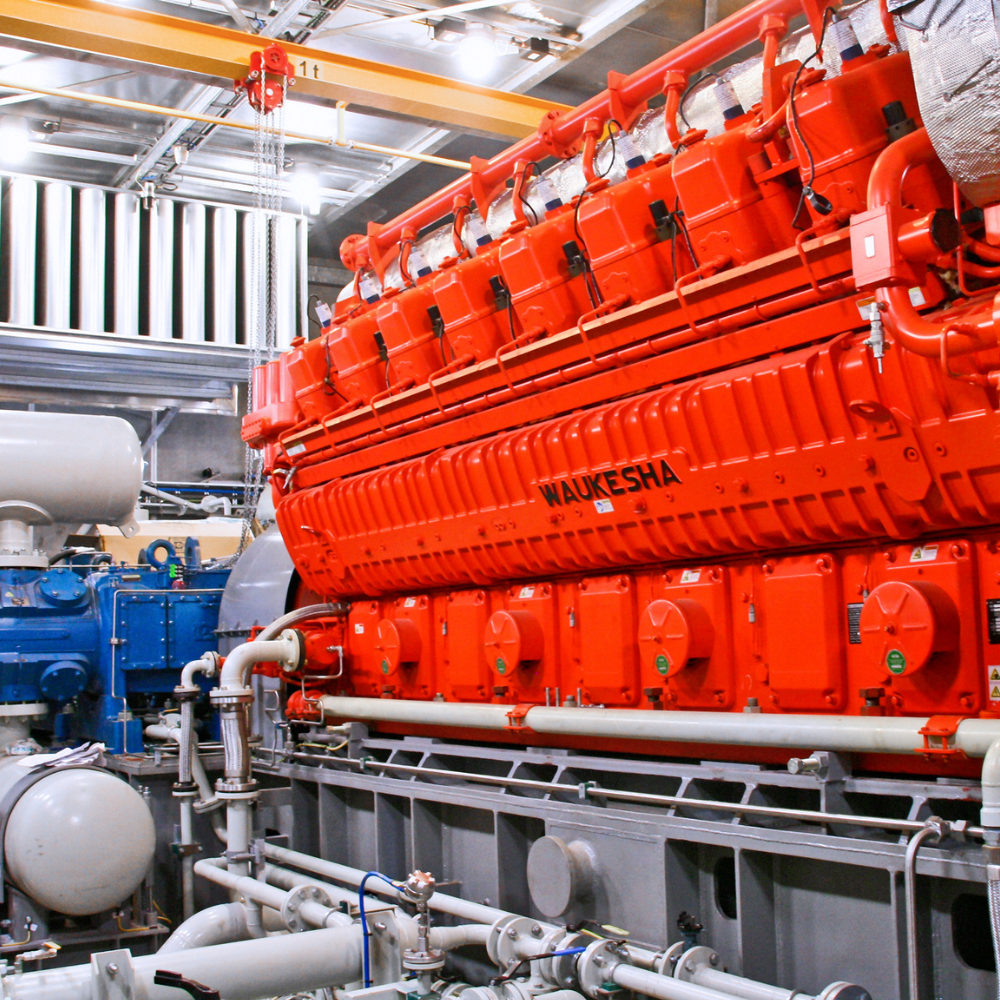
Industrial engines are the backbone of many critical operations, especially in industries such as oil and gas, power generation, manufacturing, gas compression, and energy production. Among the most trusted names in industrial gas engines, Waukesha engines have earned a reputation for durability, reliability, and long-term performance.
However, even the most dependable engines require periodic maintenance and component replacement. Over time, normal wear and tear can affect performance, fuel efficiency, emissions, and overall reliability. When replacement parts are needed, choosing the right components becomes essential for maintaining uptime and protecting your investment.
Unfortunately, many businesses face challenges when sourcing Waukesha replacement parts. Questions such as these are common:
- Should you choose OEM or aftermarket parts?
- How can you identify quality replacement components?
- Which parts wear out most frequently?
- What factors should be considered before purchasing?
- How can poor-quality parts impact engine performance?
This guide provides practical insights to help industrial buyers make informed decisions when purchasing Waukesha replacement parts for demanding industrial and oil & gas applications.
Why Choosing the Right Replacement Parts Matters
Many organizations focus on engine maintenance schedules but overlook the importance of part quality.
The reality is that replacement components directly influence:
- Engine reliability
- Operational efficiency
- Fuel consumption
- Maintenance costs
- Equipment lifespan
- Downtime frequency
Using incorrect or low-quality parts may initially save money but often leads to higher repair costs, increased downtime, and premature component failure.
For operations where every hour of downtime impacts revenue, investing in quality replacement parts is a critical business decision.
Common Waukesha Engine Parts That Require Replacement
Understanding which components commonly wear out can help buyers plan maintenance budgets and inventory requirements.
Spark Plugs
Spark plugs play a vital role in the combustion process.
Over time, spark plugs can become:
- Fouled
- Worn
- Damaged by heat
- Contaminated by oil deposits
Symptoms of worn spark plugs include:
- Hard starting
- Misfires
- Reduced fuel efficiency
- Power loss
Regular replacement helps maintain engine performance and combustion efficiency.
Air Filters
Industrial environments often expose engines to dust, dirt, and airborne contaminants.
Air filters prevent harmful particles from entering the engine.
Clogged filters can cause:
- Reduced airflow
- Poor combustion
- Increased fuel consumption
- Lower power output
Routine filter replacement is one of the simplest ways to maintain engine efficiency.
Oil Filters
Oil filters protect critical engine components from contaminants.
Over time, filters become saturated and lose effectiveness.
A neglected oil filter can contribute to:
- Increased wear
- Reduced lubrication efficiency
- Internal engine damage
Replacing oil filters during scheduled service intervals is essential for long-term engine health.
Gaskets and Seals
Gaskets and seals help maintain proper pressure and prevent fluid leaks.
Common issues include:
- Oil leaks
- Coolant leaks
- Compression loss
- Reduced system efficiency
Although relatively inexpensive, failing seals can lead to costly engine damage if ignored.
Sensors and Electronic Components
Modern Waukesha engines rely on electronic monitoring systems for efficient operation.
Critical sensors may include:
- Temperature sensors
- Pressure sensors
- Speed sensors
- Oxygen sensors
Faulty sensors can cause inaccurate readings, performance issues, and unexpected shutdowns.
Ignition Components
The ignition system is critical for reliable engine operation.
Frequently replaced components include:
- Ignition coils
- Ignition leads
- Spark plug extensions
- Ignition modules
Maintaining ignition system integrity improves combustion quality and reduces misfires.
OEM vs Aftermarket Waukesha Replacement Parts
One of the biggest decisions buyers face is whether to purchase OEM or aftermarket replacement parts.
Understanding the differences can help determine the best option for your operation.
OEM Parts
OEM (Original Equipment Manufacturer) parts are designed according to the original engine specifications.
Advantages
- Exact fit and compatibility
- Consistent quality standards
- Reliable performance
- Manufacturer-backed specifications
Considerations
- Higher purchase cost
- Longer lead times in some regions
OEM parts are often preferred for critical applications where reliability is the highest priority.
Aftermarket Parts
Aftermarket parts are manufactured by third-party companies.
Advantages
- Lower acquisition cost
- Wider availability
- More sourcing options
Considerations
- Quality varies significantly between suppliers
- Compatibility issues may occur
- Performance can differ from original specifications
Not all aftermarket parts are equal. High-quality aftermarket components can perform exceptionally well when sourced from reputable suppliers.
Key Factors to Consider Before Buying Waukesha Replacement Parts
Purchasing decisions should never be based solely on price.
Several important factors should be evaluated before selecting replacement components.
Verify Engine Model Information
Different Waukesha engines require specific parts.
Before purchasing, confirm:
- Engine model number
- Serial number
- Component specifications
- Part numbers
Ordering incorrect parts can result in delays and unnecessary expenses.
Assess Supplier Reliability
The supplier plays a major role in product quality and customer support.
Look for suppliers that offer:
- Technical expertise
- Product documentation
- Industry experience
- Responsive customer service
- Consistent inventory availability
A reliable supplier can help reduce procurement risks.
Evaluate Product Quality
Not all replacement parts are manufactured to the same standards.
Ask questions regarding:
- Material quality
- Manufacturing processes
- Testing procedures
- Warranty coverage
High-quality parts generally provide better long-term value than lower-cost alternatives.
Consider Total Cost of Ownership
The cheapest component is not always the most economical choice.
A low-cost part that fails prematurely may result in:
- Additional labor costs
- Production downtime
- Emergency repairs
- Equipment damage
Focus on long-term operational value rather than initial purchase price alone.
Warning Signs of Poor-Quality Replacement Parts
Industrial buyers should remain alert for indicators that may suggest inferior product quality.
Common warning signs include:
Unusually Low Prices
Pricing that seems significantly lower than market averages should be evaluated carefully.
Poor Packaging
Professional manufacturers typically maintain consistent packaging and labeling standards.
Missing Documentation
Lack of product specifications or installation guidance may indicate quality concerns.
Fitment Problems
Difficulty during installation often signals manufacturing inconsistencies.
Premature Failure
Parts that fail shortly after installation can increase maintenance costs dramatically.
Identifying these warning signs early can help prevent expensive operational issues.
How Quality Replacement Parts Reduce Downtime
Downtime is one of the most significant costs facing industrial operations.
Unexpected failures can result in:
- Production losses
- Missed delivery schedules
- Increased labor costs
- Customer dissatisfaction
High-quality replacement parts contribute to:
- Improved reliability
- Longer service intervals
- Better engine performance
- Reduced emergency maintenance
For oil and gas operations, minimizing downtime often delivers substantial financial benefits.
Inventory Management Tips for Critical Spare Parts
Many industrial facilities benefit from maintaining a strategic inventory of frequently replaced components.
Consider stocking:
- Spark plugs
- Filters
- Gaskets
- Sensors
- Ignition components
- Common wear items
Maintaining critical spare parts inventory can reduce repair delays and improve maintenance response times.
However, inventory planning should balance availability with storage costs and shelf-life considerations.
Best Practices for Long-Term Waukesha Engine Reliability
Purchasing quality replacement parts is only one part of a successful maintenance strategy.
For optimal results:
Follow Preventive Maintenance Schedules
Routine inspections help identify wear before failures occur.
Monitor Performance Data
Track indicators such as:
- Oil pressure
- Fuel consumption
- Operating temperature
- Vibration levels
Train Maintenance Personnel
Well-trained technicians can identify potential issues early and perform repairs correctly.
Maintain Detailed Service Records
Historical maintenance data helps improve future purchasing and maintenance decisions.
Conclusion
Waukesha engines are trusted worldwide because of their ability to deliver reliable performance in demanding industrial and oil & gas environments. However, maintaining that reliability depends heavily on the quality of replacement parts used throughout the engine’s lifecycle.
Whether purchasing spark plugs, filters, gaskets, ignition components, sensors, or other critical parts, buyers should focus on compatibility, quality, supplier reputation, and long-term value rather than price alone.
By selecting the right Waukesha replacement parts and implementing a proactive maintenance strategy, businesses can reduce downtime, improve operational efficiency, extend equipment lifespan, and maximize the return on their equipment investment.


