

Blog
Common Problems in Waukesha Engines and Their Solutions: A Practical Troubleshooting Guide

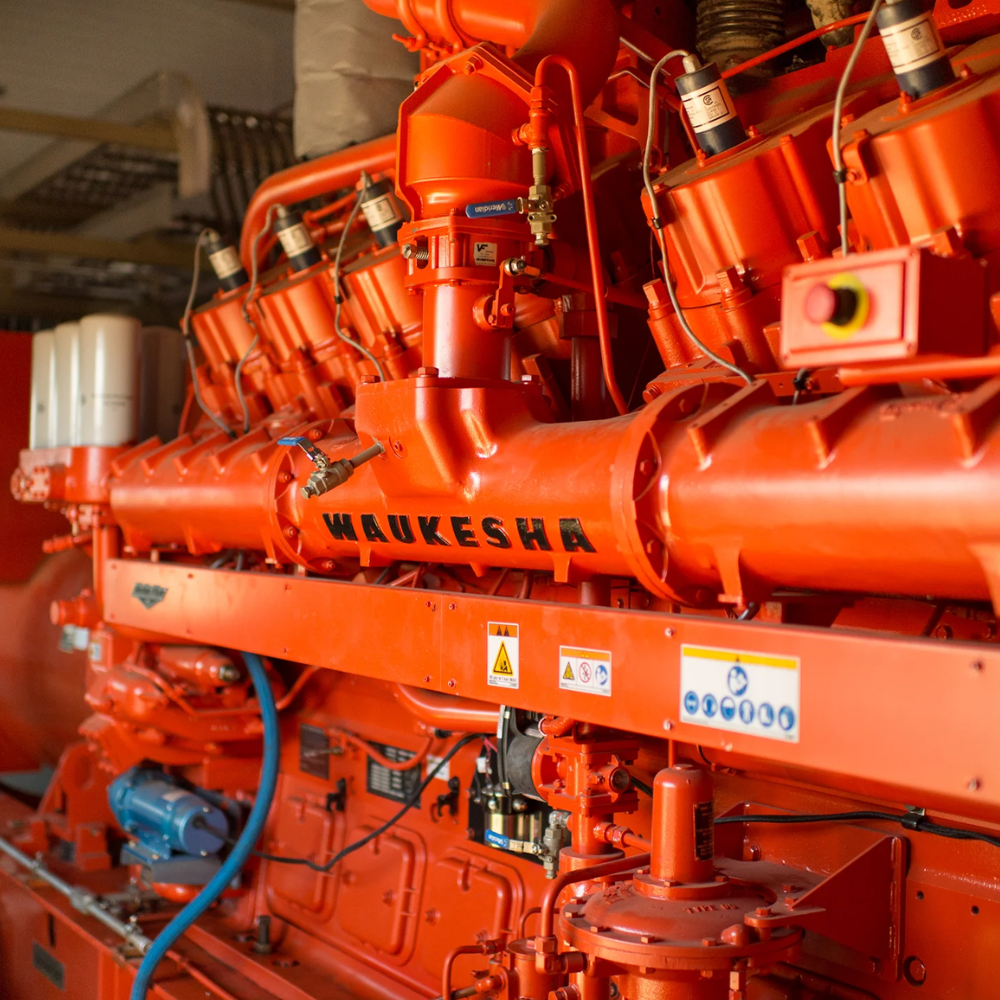
Waukesha engines have built a strong reputation across industries for their durability, reliability, and ability to perform in demanding environments. Commonly used in oil and gas operations, power generation facilities, gas compression stations, and industrial manufacturing plants, these engines are designed to handle continuous workloads while delivering dependable performance.
However, even the most reliable industrial engines can experience operational issues over time. Wear and tear, improper maintenance, contaminated fuel, environmental conditions, and aging components can all affect engine performance.
When problems arise, many operators face important questions:
- Why is my Waukesha engine losing power?
- What causes excessive oil consumption?
- How can I prevent costly downtime?
- Which issues require immediate attention?
- What maintenance practices help avoid recurring failures?
Understanding common Waukesha engine problems and their solutions can help operators reduce downtime, extend equipment life, and lower maintenance costs. This guide explains the most frequently encountered issues and provides practical solutions to keep your engine operating efficiently.
Why Early Problem Detection Matters
Industrial engines often operate in mission-critical environments where unexpected failures can have serious consequences.
Engine problems can lead to:
- Production interruptions
- Delayed operations
- Emergency repair expenses
- Increased fuel consumption
- Reduced equipment lifespan
- Safety concerns
Identifying warning signs early allows maintenance teams to address minor issues before they develop into major failures.
Problem #1: Engine Overheating
Overheating is one of the most common issues experienced by industrial engine operators.
If left unresolved, excessive temperatures can cause severe damage to internal engine components.
Common Symptoms
- Rising coolant temperature
- Frequent high-temperature alarms
- Reduced engine efficiency
- Engine shutdowns
- Steam or coolant loss
Possible Causes
Low Coolant Levels
Insufficient coolant reduces the system’s ability to remove heat effectively.
Blocked Radiators
Dust, dirt, and debris can restrict airflow through cooling components.
Faulty Water Pump
A failing water pump reduces coolant circulation throughout the engine.
Damaged Thermostat
A malfunctioning thermostat may prevent proper coolant flow.
Cooling Fan Problems
Cooling fans that are damaged or operating improperly can reduce heat dissipation.
Solution
Regularly inspect cooling system components and maintain proper coolant levels. Clean radiators, replace damaged hoses, and address leaks immediately.
Preventive cooling system inspections significantly reduce overheating risks.
Problem #2: Excessive Oil Consumption
Many operators notice their Waukesha engine consuming more oil than expected.
Ignoring excessive oil consumption can result in accelerated engine wear and expensive repairs.
Common Symptoms
- Frequent oil top-offs
- Blue exhaust smoke
- Oil leaks
- Reduced engine performance
Possible Causes
Worn Piston Rings
Damaged piston rings allow oil to enter the combustion chamber.
Valve Seal Wear
Aging valve seals can cause oil leakage into cylinders.
Internal Engine Wear
High operating hours naturally increase wear on internal components.
Poor Maintenance Practices
Delayed oil changes can contribute to increased oil consumption.
Solution
Monitor oil levels regularly and investigate sudden increases in oil usage. Conduct engine inspections to identify worn components and replace them before they cause larger problems.
Using high-quality lubricants and following maintenance schedules can help minimize oil-related issues.
Problem #3: Hard Starting or Failure to Start
Starting problems can disrupt operations and delay production schedules.
This issue becomes especially problematic in remote industrial environments where immediate support may not be available.
Common Symptoms
- Engine cranks but does not start
- Delayed startup
- Frequent startup failures
- Inconsistent ignition
Possible Causes
Ignition System Issues
Faulty spark plugs, ignition coils, or wiring can prevent proper combustion.
Fuel Supply Problems
Insufficient fuel pressure or blocked fuel lines can interrupt engine operation.
Sensor Failures
Modern engine management systems rely on sensors to regulate performance.
Weak Batteries
Insufficient battery power may prevent successful engine startup.
Solution
Inspect ignition components regularly and replace worn spark plugs as needed. Test batteries, verify fuel delivery, and check engine control systems for fault codes.
Routine inspections can often identify startup issues before they become serious.
Problem #4: Loss of Engine Power
A noticeable decrease in power output is a common complaint among engine operators.
Reduced power affects productivity and can increase fuel costs.
Common Symptoms
- Sluggish engine response
- Reduced compressor performance
- Lower operational output
- Increased fuel consumption
Possible Causes
Restricted Air Intake
Dirty air filters can limit airflow and reduce combustion efficiency.
Fuel System Problems
Contaminated fuel or clogged fuel filters can affect power generation.
Ignition Timing Issues
Incorrect ignition timing may reduce engine performance.
Compression Problems
Cylinder wear can decrease compression and power output.
Solution
Inspect air filters regularly and replace them when necessary. Monitor fuel quality, maintain ignition systems, and perform compression testing during scheduled maintenance.
Proper airflow and combustion are essential for maintaining engine power.
Problem #5: Excessive Exhaust Smoke
Changes in exhaust appearance often indicate underlying engine problems.
Different smoke colors can help identify specific issues.
Blue Smoke
Typically indicates oil entering the combustion chamber.
Common Causes
- Worn piston rings
- Valve seal damage
- Cylinder wear
Black Smoke
Usually suggests incomplete combustion.
Common Causes
- Air filter restrictions
- Fuel system problems
- Rich fuel mixture
White Smoke
May indicate coolant entering the combustion chamber.
Common Causes
- Head gasket failure
- Cracked cylinder head
- Cooling system leaks
Solution
Do not ignore unusual exhaust smoke. Early diagnosis can prevent major engine damage and costly repairs.
Problem #6: Abnormal Engine Vibrations
Industrial engines naturally produce some vibration during operation. However, excessive vibration often signals mechanical issues.
Common Symptoms
- Increased noise levels
- Equipment shaking
- Loose fasteners
- Structural stress
Possible Causes
Misalignment
Engine and driven equipment misalignment can create excessive vibration.
Worn Bearings
Bearing deterioration can affect smooth operation.
Unbalanced Components
Rotating assemblies may become unbalanced over time.
Loose Mounting Hardware
Loose bolts and supports can amplify vibration levels.
Solution
Perform regular vibration monitoring and alignment checks. Replace worn bearings and tighten loose hardware during preventive maintenance inspections.
Problem #7: Fuel System Contamination
Contaminated fuel can create multiple performance problems and increase maintenance requirements.
Common Symptoms
- Rough engine operation
- Reduced efficiency
- Starting difficulties
- Increased emissions
Possible Causes
Dirt and Debris
Foreign particles can clog filters and injectors.
Water Contamination
Moisture in fuel systems may damage critical components.
Poor Fuel Storage
Improper storage practices can contribute to contamination.
Solution
Use clean fuel sources and replace fuel filters at recommended intervals. Regularly inspect storage systems and remove water contamination immediately.
Fuel quality has a direct impact on engine reliability.
Problem #8: Frequent Spark Plug Failure
Spark plugs play a critical role in engine performance.
Frequent spark plug replacement may indicate underlying engine issues.
Common Symptoms
- Misfires
- Rough operation
- Reduced power
- Starting difficulties
Possible Causes
Improper Fuel Mixture
Rich fuel conditions can foul spark plugs.
Ignition Problems
Weak ignition systems may shorten spark plug lifespan.
Excessive Oil Consumption
Oil entering combustion chambers can contaminate spark plugs.
Solution
Inspect ignition systems, verify proper fuel settings, and address oil consumption issues. Use manufacturer-recommended spark plugs for best results.
Problem #9: Coolant Leaks
Coolant leaks are often overlooked until overheating occurs.
Even small leaks can create significant problems over time.
Common Symptoms
- Falling coolant levels
- Visible leaks
- Temperature fluctuations
- Overheating
Possible Causes
- Damaged hoses
- Loose clamps
- Worn seals
- Cracked cooling components
Solution
Inspect the cooling system regularly and repair leaks immediately. Replacing aging hoses and seals proactively can prevent unexpected failures.
Best Practices to Prevent Waukesha Engine Problems
Preventive maintenance remains the most effective strategy for minimizing downtime and repair costs.
Establish a Maintenance Schedule
Follow manufacturer-recommended service intervals and inspection procedures.
Monitor Engine Performance
Track key indicators including:
- Oil pressure
- Coolant temperature
- Fuel consumption
- Exhaust condition
- Vibration levels
Train Operators
Properly trained personnel can identify warning signs before serious failures occur.
Use High-Quality Replacement Parts
Reliable spare parts help maintain performance and reduce the likelihood of premature component failure.
Maintain Accurate Service Records
Detailed maintenance records help identify recurring issues and improve long-term equipment management.
Conclusion
Waukesha engines are trusted worldwide because of their reliability and long service life. However, like any industrial equipment, they require proper maintenance and timely troubleshooting to perform at their best.
Common issues such as overheating, excessive oil consumption, hard starting, power loss, exhaust smoke, vibration problems, and fuel contamination can often be prevented through regular inspections and proactive maintenance practices.
By recognizing warning signs early and addressing root causes promptly, operators can reduce downtime, extend engine lifespan, improve operational efficiency, and avoid costly emergency repairs. Investing in preventive maintenance today is far less expensive than dealing with a major engine failure tomorrow.


